

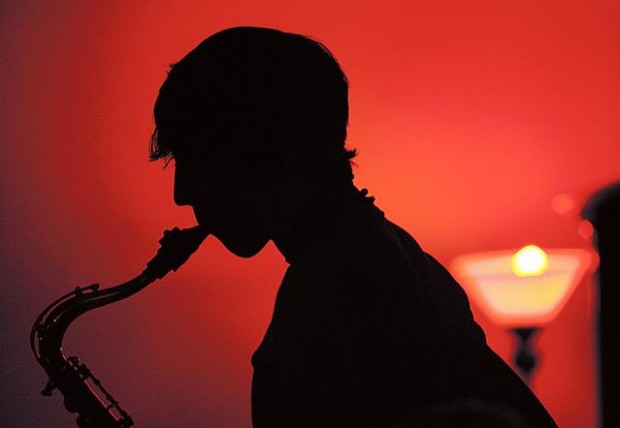
KANSAS CITY, Mo. — Jazz musicians still jam till dawn at the Mutual Musicians Foundation, the old union hall that's one of the few remaining reminders of the days when Count Basie was a household name and the place to be here was 18th and Vine.
But sax player Mike White and his friends are playing to a lot of empty seats now.
"It's hard to be playing jazz at 3 a.m if you are at a temperance meeting," White explains.
The Mutual Musician Foundation, it seems, never had a liquor license. Not that that ever stopped the booze from flowing. Think of it as just another way of honoring the good old days, when laws were viewed as suggestions, and political boss Tom Pendergast reigned over a city rife with gambling halls, brothels and juke joints that never closed.
"What we had was a world-class speak-easy," said Ray Reed, a jazz vocalist who also works as the club's doorman.
People are also reading…
At least, that's what they had until someone ratted out the club to city liquor inspectors.
You had to be from out of town — way out of town — to be ignorant of what has been going on at the club; but city officials profess that they were shocked — shocked — that drinking was going on at this establishment.
So they closed the spigot.
Audiences dwindled.
And if things continue in the way they are, the last vestige of a glorious past could become history. Clubgoers don't seem as interested in paying a cover charge for the privilege of a Coke and a bag of chips.
The club could apply for a liquor license, but a local ordinance prohibits the sale of alcohol in the vicinity of a church, and there's one just down the block.
Some members of the City Council appear ready to make an exception for the club, but it wouldn't do much good. State and local laws fix last call at 1:30 a.m. — bad timing for a club that opens its doors at 1 a.m.
Vic Cook, in charge of liquor-law enforcement for the city, is sympathetic.
"They're a good group of people," said Cook. "We have to get around it. . . . I would be supportive of a state statute to allow them to stay open all night."
So far, the city's delegates to the state Legislature have given no sign that they're ready to change state law to accommodate one old jazz club.
Laws didn't make much of a difference on imbibers during the golden age of Kansas City jazz in the 1920s and '30s, when Pendergast ruled a wide-open town known as the Paris of the Plains.
The nickname had more to do with the city's legendary excesses than its architecture or fine dining. While the Great Depression raged elsewhere, still-prosperous Kansas Citians embraced their vices.
Bruce Ricker first fell under the spell of Kansas City jazz as a young law professor at the University of Missouri-Kansas City three decades ago. He later directed a documentary, "Last of the Blue Devils" (1995), that focused on a reunion of Basie, Jay McShann and others from the era's heyday.
Now a New York filmmaker, Ricker called the city's newfound booze-law enforcement — after years of looking the other way — misguided.
Forced abstinence hasn't been entirely bad, however. The club, while struggling, is now attracting music lovers who don't need another drink to fuel their buzz.


