

Tom Hiddleston was best known as Loki in "The Avengers" before grazing the radar with a Shakespearean turn on PBS and "The Night Manager" on AMC.
Now hitting the tabloids with a few Taylor Swift outings, he could bring attention to his work in "I Saw the Light," a film about country singer Hank Williams that practically disappeared earlier in the year.
Fairly depressing, the screen biography features plenty of the master's songs and a clue to the people who inspired them.
"Your Cheatin' Heart" and "I'm So Lonesome I Could Cry" weren't clever examples of songwriting. They were insight into his downward emotional spiral.
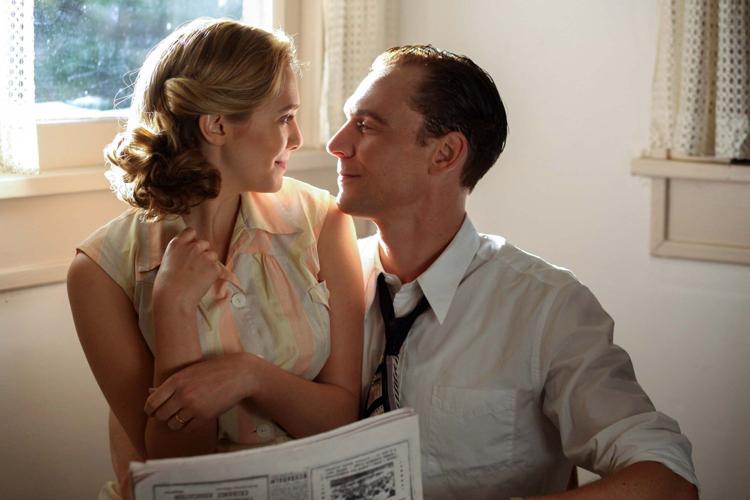
The movie suggests Williams' his wife Audrey (nicely played by Elizabeth Olsen) was a big catalyst, insisting he put her on stage even though she didn’t have a tenth of his talent. She bullied him, too, and played games with their son just to get her way.
People are also reading…
Director Marc Abraham serves the relationship but doesn’t do much with the genius that was Williams. We don’t see any of the writing process, the collaboration or the charisma that made him such a hit with audiences. Faux interviews (with Brad Whitford playing Fred Rose, his publishing company boss) try to fill in the gaps, but these are too gaping to ignore.
Hiddleston’s Hank drinks incessantly, complains about back pain and seems to be going down Judy Garland’s yellow brick road once he gets on painkillers. There’s no voice of reason helping him, which makes this seem even more futile.
Williams’ mom (Cherry Jones) raises an eyebrow at Audrey but isn’t about to step in. His band is fairly passive, too. And then it’s a slippery slope of supply and demand.
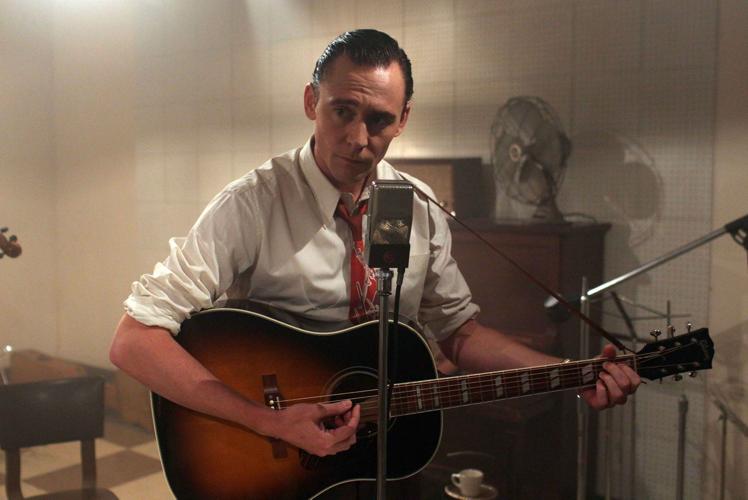
Hiddleston, who has that gaunt look Williams was known for, does a great job approximating his voice. It’s not quite on target, but it suggests enough of the yodel and wail to convey the message. If there’s another actor working today who could do a better job, we don’t know who that would be.
Olsen is the real surprise. She brazenly pushes her way into situations, takes control and manipulates. Why Williams was attracted to such a woman is one of those unanswered questions Abraham doesn’t appear ready to handle.
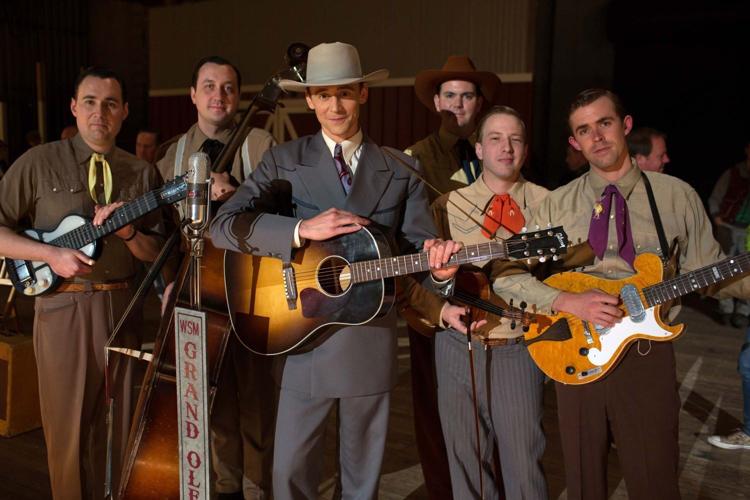
He makes much of Williams’ desire to be on the Grand Ole Opry but doesn’t explain why that was the brass ring or why it didn’t give him a moment’s rest. There are hints of his wandering eye, too, and more than enough trouble to fill a career catalog.
“I Saw the Light” is an ironic title, considering Williams never really wakes up to his own reality. The film’s ending is bleak – far bleaker than you’d want it to be – and a peek into a world all too many late stars know too well.


