



The sun is shining, the flowers are blooming and the afternoon breezes are doing their best to hold off the sure-to-come heat here in Tucson.
Ahh, spring!
What better time to rediscover poetry … and discover a poet who may speak directly to you. Here are some recent collections that caught the eye of Cameron Quan and Estella Gonzalez, both volunteers with the Tucson Festival of Books:
“Blue Corn Tongue” by Amber McCrary is a bright, irreverent, heartfelt collection of poems celebrating the love between a Diné woman and an O’odham man … with all the complications that entail in a modern world. “Blue corn” symbolizes the connection between the physical and the spiritual. Traveling from the Colorado Plateau to the Sonoran Desert, McCrary — herself Diné — looks at the plants, places and people who have made her the person she is today.
People are also reading…
“Portrait of the Artist as a Brown Man” by Jose Hernandez Díaz explores the Mexican American experience in Los Angeles, at once joyful and wary due to the prejudice and ridicule many Latinos feel every day. Scheduled for release on May 13, “Portrait of the Artist” is a warm, thoughtful ode to a community now as diverse as the city around it.
“You Are Here” is an anthology of poems edited by Ada Limón, the first Latina Poet Laureate of the United States. Published in partnership with the Library of Congress in April, “You Are Here” invites 50 modern poets to reflect on our relationship with the natural world. Contributors include Joy Harjo, Rigoberto Gonzalez, Jericho Brown, Diane Seuss and Alberto Rios.
“Moon Mirrored Indivisible” is the latest collection from Farid Matuk, director of the graduate program in creative writing at the University of Arizona. Drawing upon his own life experiences, Matuk reflects on place and power. Each of the book’s four sections explore how we might one day form a collective of people rather than self-interested groups.
“Las Horas Imposibles/The Impossible Hours” by Octavio Quintanilla is a collection presented in Spanish with English translation. In it, Quintanilla uses our southern border as a metaphor for the line that separates violence from harmony, longing from love, heartbreak from joy. The second half of the book is one long poem, a letter to a former lover who will never know all of the poet’s true feelings.
“mother” by m.s. RedCherries was a finalist for last year’s National Book Award in Poetry. Using both poetry and prose, RedCherries tells an unforgettable story of an Indigenous child taken from her home and raised by non-Indigenous parents. Much of the book looks at the child’s search for self. The poet then expands the lens to study a much broader topic, the Indigenous search for identity in modern America.
“Cowboy Park” by Eduardo Martinez-Leyva is a collection of autobiographical poems that reflect on Martinez-Leyva’s life in El Paso. In it, the poet pays tribute to the people, culture and traditions that shaped him, along with the slights and indignities that often scar. Among the big life moments was the detention and deportation of his brother. This was Martinez-Leyva’s debut collection.
“YOU” by Rosa Alcalá tracks the journey between girlhood and middle age, scouring the poet’s memory to identify those moments — both good and bad — that redirected yet moved it forward. From daughterhood to motherhood, Alcalá chronicles the fears, tears and joy she encountered along the way.
“Mojave Ghost” by Forrest Gander takes us — the hard way — to his birthplace in the Mojave Desert: Barstow, California. A trained biologist, Gander walked much of the 800-mile San Andreas Fault to the town of his birth. Along the way, he ruminates about external and internal landscapes, recalling moments both physical and spiritual that got him from there to here and back again.
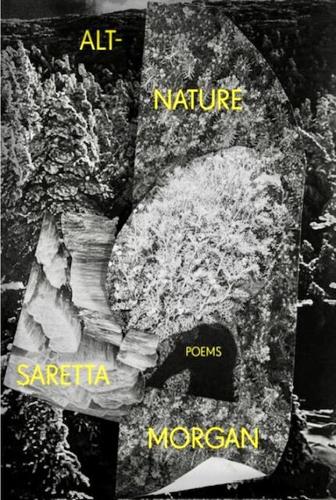
“Alt-Nature” by Saretta Morgan explores desert streams and desert dreams, a collection of poems written during the five years Morgan lived in the Sonoran and Mohave deserts. She finds beauty in the sand, but also sees the horrors created by government policies that now make the desert so hostile to so many.


