

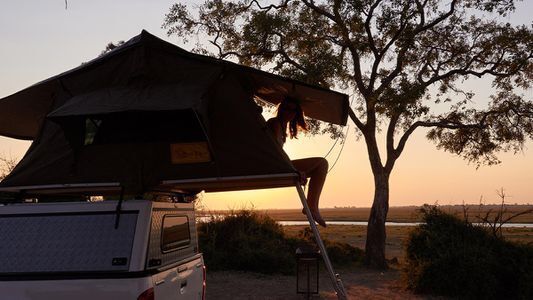

Anyone who has camped on the ground knows how uncomfortable it can be, but the experience is still well worth the pain. Nothing beats activating your brain’s full-disconnect mode and sleeping under the stars, far away from city lights and sounds. But what if you could do it in comfort? Luckily, there are several camping, outdoor, off-road and overlanding supply companies that offer various styles of roof top and truck bed tents for an elevated experience.
Rough-and-rugged diehards may call traveling with a roof top or truck bed tent “glamping,” but the overlanding and camping enthusiasts who opted for the upgrade are living it up. Roof top tents are especially good for longer road trips when getting a restful undisturbed sleep is most important. You’ll be safely snoozing above the nighttime creepy crawlies and protected from ever-changing ground conditions with any of the following five top-rated tents.
People are also reading…
It’s important to note that all roof top tents, because of their weight and that of their occupants, require a sturdy roof rack (typically costing between $99-$250) installed on your vehicle or trailer’s roof.
For our list of the best roof top tents for 2021, we specifically chose roof top tents that feature the quickest setup and breakdown procedures possible for people who want to spend less time preparing and more time enjoying nature.
Most spacious: Thule Tepui Autana Rooftop Tent with Annex

Why We Picked It:
If you plan on adventuring with your family year-round in various climates, the Thule Tepui Explorer Autana 3 with annex is a supremely comfortable roof top tent setup that can sleep up to four. Despite its considerable size, this tent is easy enough for one person to set up, and the extended canopy and removable enclosed annex below provide a private space to freshen up and change clothes. There are also four large pockets inside for storing gear or necessities.
The Tepui tent’s surrounding canvas is constructed from UV and mold-resistant coated 600D polyester and a 260g poly-cotton blend that is tough enough to withstand any environmental abuse. The mesh side panels and zip-open windows offer excellent ventilation. Purchasing a separate anti-condensation mat is recommended to rid the interior of any access moisture, especially on cold nights.
Pros:
- Accommodates up to 4 people
- Durable in any season
- Includes a privacy canopy with annex
Cons:
- Steep Price
- Sides may get wet in rain if weather hood is not used
- Separate anti-condensation mat recommended
Most durable: KingCamp Rooftop Tent
Why We Picked It:
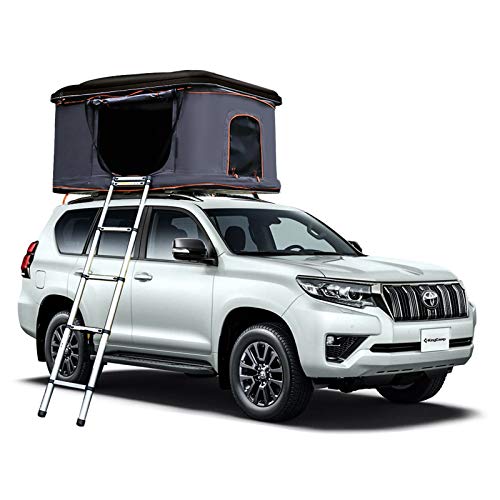
The KingCamp Rooftop Tent features a rugged hard-shell design, which eliminates worries about rips and leaks that could occur with a canvas roof and may last longer overall than conventional tents. It’s equipped with gas springs, so the tent pops up automatically once the straps are released. The setup weighs in at 116.8 pounds when empty.
The included thick cotton pad is reported to be comfortable and sleeps two adults. Two windows and doors zip open to provide ventilation, however if the ventilation points are zipped closed during sleep, the tent may accumulate condensation.
Pros:
- Durable hard top
- Sets up in seconds
- Comfortable thick pad
Cons:
- Heavier than soft top competitors
- May accumulate condensation when closed
- Expensive
Best low profile: Front Runner Roof Top Tent
Why We Picked It:
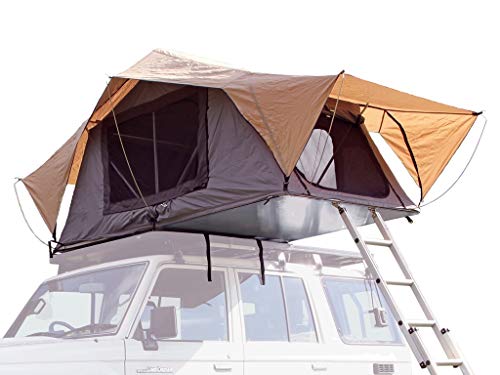
The Front Runner roof top tent is the most low-profile tent on the market at only 7.87-inches tall when collapsed. Weighing in at just over 90 pounds, it’s also one of the lightest. Since roof top tents add weight and aerodynamic drag, if you’re concerned about fuel economy this setup is worth your consideration.
Despite its smaller size, the Front Runner tent still sleeps two adults comfortably. The aluminum base keeps the unit lightweight but has been reported to feel cold through the included mattress during chilly nights. It unfolds with one swift motion of the retractable ladder and features zippered privacy panels on all screened windows and doors. The purchase includes a removable fly-sheet cover that offers shade during the day and helps to prevent condensation overnight. Built-in roof ventilation backed with mosquito netting further prevents condensation.
Pros:
- Low-profile and lightweight
- Good ventilation
- Can be mounted to open on any side of the vehicle
Cons:
- Protective cover can be difficult to zip
- Aluminum base can get cold at night
- Shipping not included in cost
Best for Stargazing: Smittybilt Overlander Roof Top Tent
Why We Picked It:
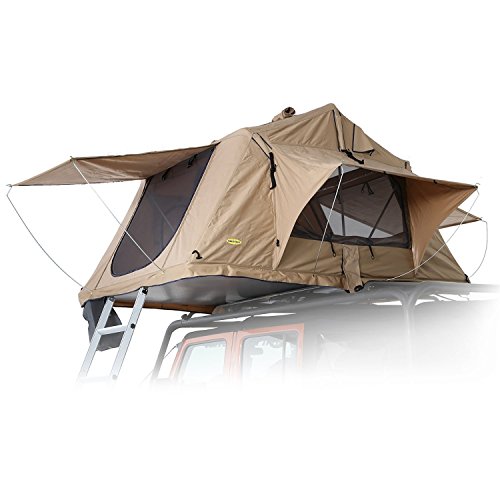
The Smittybilt Overlander roof top tent elevates your camping experience with stargazing possibilities. The two zip-open panels on the roof backed by an anti-mosquito screen also offer optimum ventilation. Even when it’s raining, just strap on the included rain cover and leave the roof panels opened for more airflow. Heavy rain can cause rainwater to pool over the entryway and window awnings, so lowering the awnings during storms is recommended.
The tent has a hook and loop strap that secures an included multi-LED light strip. It also includes four interior storage pockets and a fifth to hold the light cord, plus an exterior bag to hang shoes. According to reviews (and personal experience), the sleeping mat could use more cushioning but is easily remedied by adding layers. This Smittybilt tent weighs 116 pounds empty and fits up to two adults and a small child. If more room is desired, there’s also an XL model that can sleep up to four adults.
Pros:
- Roof panels open for star gazing
- Great ventilation
- Affordable
Cons:
- Some complaints about the ladder quality
- Rain water may pool on the awnings
- Included sleeping mat a bit stiff
Best truck tent: Rightline Gear Truck Tents
Why We Picked It:
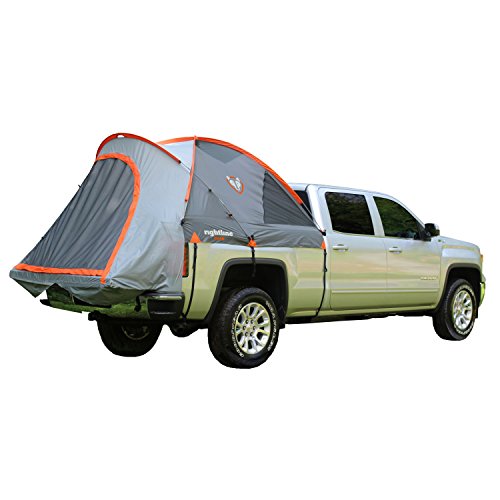
The Rightline Gear truck tent isn’t actually a roof top tent, but for pickup owners, it’s an excellent alternative that still allows you to experience camping off the ground in a dry truck bed without the hassle and expense of installing a full roof top tent setup. This particular truck tent features a floorless design that allows setup or take down without removing gear from the bed. It includes two storage pockets, a lantern hanging hook, a sky view vent and glow-in-the-dark zipper pulls. You provide your own mattress pad.
Assembly is similar to that of a ground tent. The dome poles are color-coded to the pole pockets to simplify the setup. Soft straps and plastic buckles are included so as to not damage the truck’s paint. Tents are sold and prices vary according to your truck bed size. Check Rightline Gear’s sizing guide for more information.
Pros:
- Very affordable compared to roof top tents
- No roof rack required
- Ventilation and sky view
Cons:
- For truck bed use only
- Mattress sold separately
- Takes up storage space
METHODOLOGY
To determine the best roof top or truck tent for your vehicle, we considered the products most accessible to the widest swath of consumers in the U.S., which also includes durability, price and value. We also considered a broad range of end-user ratings and findings from our personal experiences.
For our list of the best roof top tents of 2021, Forbes Wheels rated and tested five elevated camping experiences, including four roof top tents and an alternate truck bed tent. Each product is rated on ease of use, overall comfort and durability.
FAQ
Are roof top tents good?
Roof top tents offer a number of benefits over conventional tents, with greater comfort levels and isolation from the ground and anything that may be crawling on it. Set up and pack up is a breeze when compared to traditional ground tents so you can spend more time enjoying nature. They also open up more camp spot opportunities by not requiring a flat ground surface; just level out your vehicle via maneuvering over the terrain or use a leveling ramp. Having the ability to travel with your tent and bedding on top of the car also saves on interior space, which is a bonus for extended trips off the grid.
Can you put a roof top tent on any car?
Roof top tents can be installed on any car that has a solid roof, but that doesn’t mean every vehicle is ideal for supporting a roof rack paired with a tent that could weight 100 plus pounds empty. When there’s a will, there’s a way. Overlanders who don’t have the roof space (or don’t want to set up camp on their roof) are often seen hauling roof top tents on short off-road trailers.
Do I need a roof rack for a roof top tent?
Yes. When looking to purchase a roof top tent, it’s important to also factor in the cost of a durable roof rack. It will be necessary to install a heavy-duty roof rack on your car. Many dedicated campers will permanently mount a custom roof rack to their vehicle, but it can be as simple as aftermarket crossbars secured to factory roof rails. Just make sure the roof rack’s weight limit exceeds the actual weight of the tent plus whoever will be sleeping in it.
Do roof racks and roof top tents affect gas mileage?
Installing any large rectangular or bulbous object onto a car or truck will cause more air resistance, in turn reducing the vehicle’s fuel efficiency. You will notice a difference in your vehicle’s gas mileage when hauling a roof top tent, or even a bare roof rack. Studies show that depending on the weight, material and shape of the roof rack and roof top tent, hauling the entire setup could cause up to a 35% decrease in fuel economy on the freeway, but the average is a 17% decrease.
How fast can you drive with a roof top tent?
Vehicles with a roof top tent can be driven at normal speeds, but the driver may notice some aerodynamic drag and a decrease in fuel economy at higher speeds. Because of this, driving at speeds over 70-mph is not recommended, which isn’t typically a problem if you’re taking the back roads or forest trails.