

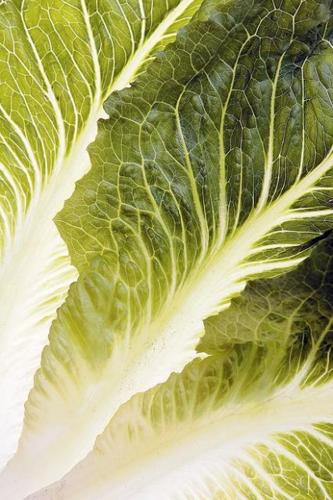

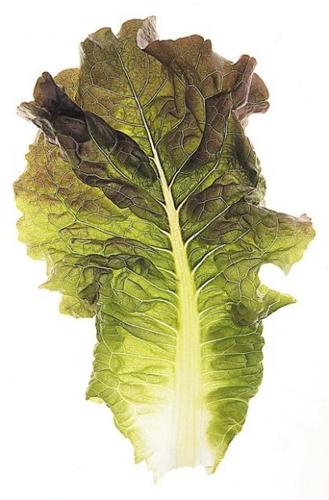

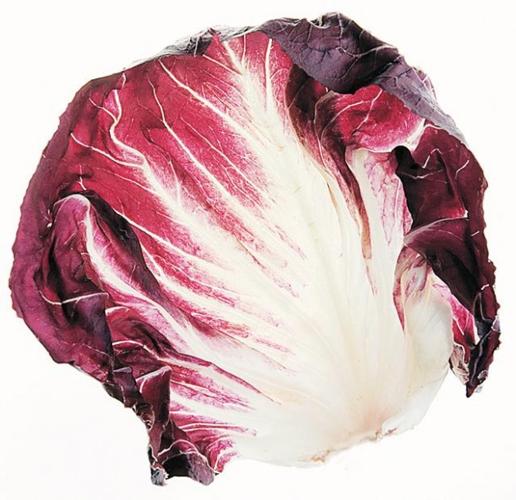
Wilted escarole
Serves 6
◆ 3 tablespoons olive oil
◆ 2 medium bunches escarole, rinsed, dried and chopped
◆ 1/2 cup fresh lemon juice
◆ Grated zest from 1 lemon
◆ 2 tablespoons capers, roughly chopped
◆ 10 dark, pitted olives (kalamata preferred) ◆ Salt and freshly ground black pepper to taste
Heat the olive oil in a large frying pan over high heat. Add escarole; cook and stir until greens begin to wilt. Stir in lemon juice and zest. Add capers, olives, and salt and pepper. Cook and stir for another 15-30 seconds.
● From: www.mariquita.com
People are also reading…
Braised Belgian endive
Serves 4
◆ 8 heads Belgian endive, trimmed
◆ 2 tablespoons butter or margarine
◆ 3 tablespoons fresh lemon juice
◆ 1/2 teaspoon salt
◆ 1 tablespoon granulated sugar
Lightly sauté the endives in butter in a shallow pan over a hot fire. Turn the endives after 1 1/2 minutes to sauté both sides. Add the other ingredients. Cover the pan, lower the heat, and let simmer for about 25 minutes. Serve with red meat or poultry.
● Adapted from: www.belgianendive.com
Endive and smoked trout with raifort sauce
Serves 6 to 8
◆ 1 cup quark or fromage blanc
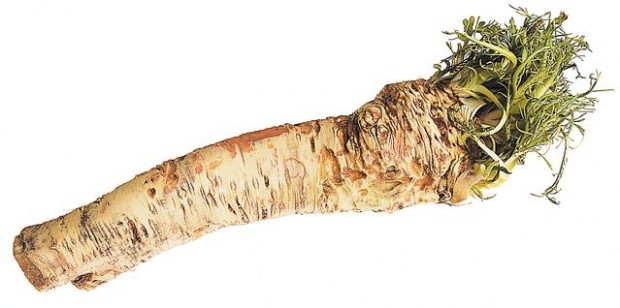
◆ 1/4 cup fresh grated horseradish
◆ Zest and juice of 1 lemon
◆ Sea salt
◆ Fresh ground pepper
◆ 4 heads Belgian endive, leaves separated
◆ 2 whole smoked trout, boned and skinned
◆ 1 red bell pepper, cut into a fine dice
In a small stainless-steel mixing bowl, combine the horseradish, quark, lemon juice and zest. Mix well. Season with salt and pepper.
Arrange the larger endive leaves on a serving platter, and top each with a heaping tablespoon of the quark mixture. Break the trout into large flakes, and arrange a spoonful on each endive. Sprinkle with the bell pepper.
● From www.endive.com
The story of Passover
The biblical account:
On the day before the first Passover, the Jews of Egypt were instructed by the Lord to slaughter lambs and to paint their doorposts with the lambs' blood. This would tell the Lord which households were Jewish, and the death the Lord was visiting on all the first-born humans and animals in Egypt would pass over them.
They were also told to roast the lambs and eat them, "along with bitter herbs and bread made without yeast."
That's the pretty simple part. The complexity began when Torah and Talmud scholars began defining exactly what one should eat, and how much, to satisfy the requirements.
Similarly, to some interpreters, the Passover celebration became more complex, symbolizing not just the original escape from bondage, but liberation from times of persecution throughout Jewish history.
● Rebecca Boren