

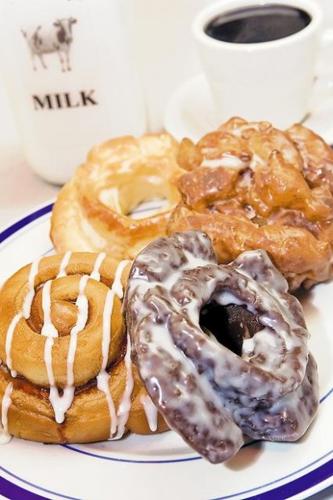
If Eric Jarvey offers you a cinnamon roll today, don't bite. Trust us.
It's an absolute certainty, just like death and taxes, that the sticky-sweet, sinful-looking pastry he's offering up is a fake. Because after nearly seven years of manufacturing fake food, that gag — whether it's April Fools' Day or not — still kills. To Jarvey, anyway.
"I try to get people, and it never gets old," said the production manager for World Manufacturing/Fake Foods, which makes lifelike food replicas.
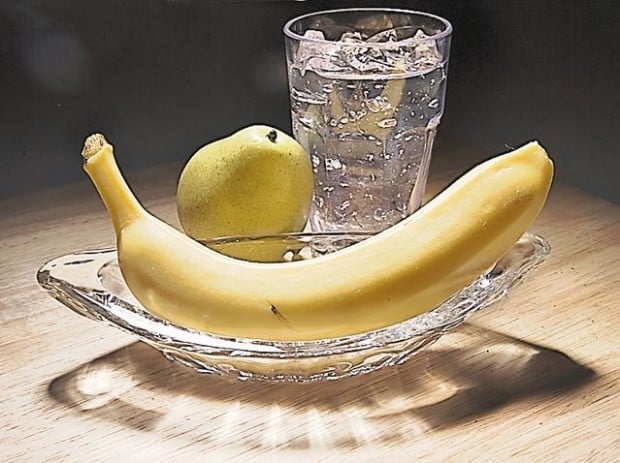
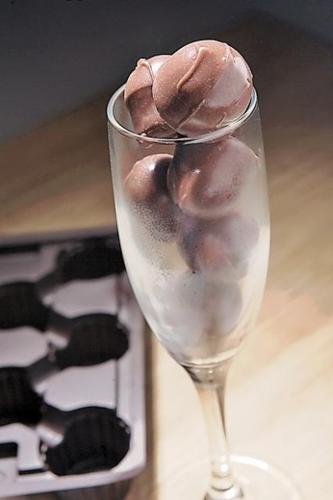
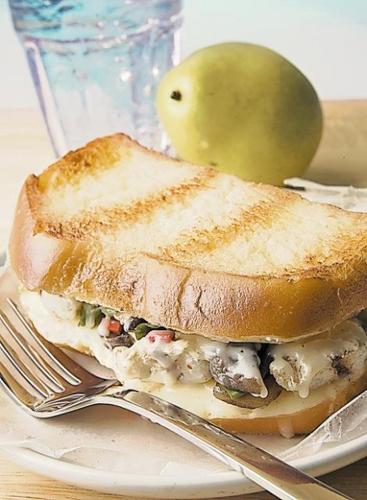
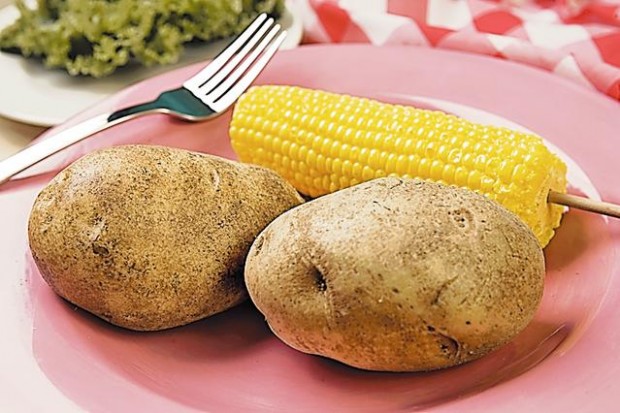
It's not surprising that people try and chomp into icing-slicked doughnuts, even after they know what Jarvey does for a living. The food looks just that real. Chocolate-covered cherries have drippy swirls on the top. Potatoes are dimpled and dirty, just like real spuds. Coarse pepper speckles scrambled eggs. Even a lasagna slab looks fork-ready with unmelted dribbles of what looks to be Parmesan cheese. It's actually grated plastic.
People are also reading…
"We dice, chop, grate — just like a regular restaurant," Jarvey said.
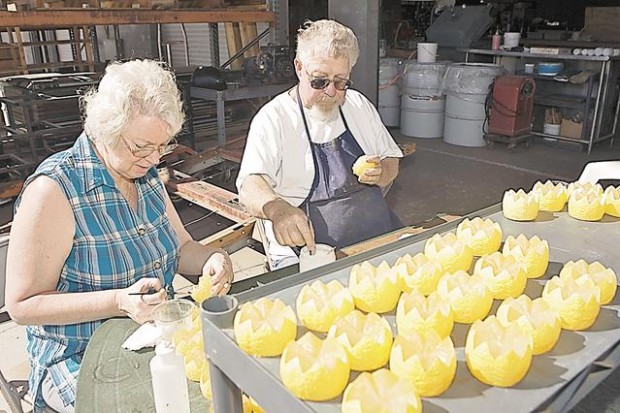
Seven people handcraft the phony grub, working out of a small warehouse at 7100 N. Camino Martin. It's part of an unassuming strip mall just south of West Ina Road.
Pass through the swinging door and you'd swear you were at an all-you-can-eat buffet, with faux sausage logs, cheese squares, fruits and veggies artfully displayed. The dead giveaway — the strong, decidedly unfoodlike aroma of plastic. But Jarvey's been known to pimp out pastries with dabs of vanilla. Meatballs, which the crew just started making, have real oregano in the plastic mix, so they smell almost authentic.
The realistic-looking fakes start out with the real deal. Samples of actual foods are used for making the mold and matching colors. Liquid silicone forms the mold around the food. After the mold is crafted, liquid plastic is used to make the replica. The mold is partially cooked in a special microwave and finished off in an industrial convection oven. The end product is then hand-painted.
Fake Foods started with counterfeit kale, of all things.
Michael Estes, president of Fake Foods, was working as a district manager for Wendy's at the tail end of the '80s. The restaurant chain draped the leafy vegetable around its self-serve bars. When Wendy's wanted to can the kale because of high costs, Estes went looking for a plastic version. When he couldn't find it, he found someone to make it. From there, a business was born.
"If a restaurant is having to display something, we're their best friend," Estes said in a phone interview from Colorado Springs, where he's based. Eateries can save a lot of money using fakes rather than throwing out actual food on a daily basis.
"Let's take a chain with 1,000 stores and each one has to display a bagel tray every day, or bagel-dog tray, and they have to throw away $20 a day," he said. "That's $20,000 a day. You can see it makes sense."
On Estes' Web site, www.fake-foods.com, you'll find a glazed doughnut for $20 or a 9-inch birthday cake for $90. The fake food is made with FDA-approved materials, so it's safe to be around the real stuff.
Fake Foods has been featured on television, including Food Network shows that still show up in reruns. The company's stuff has popped up in movies like the 2005 flick "XXX: State of the Union" starring Ice Cube, which, by the way, Fake Foods also duplicates — the frozen water variety, that is, not the human rapper kind.
"In that movie, they hijacked a truck and opened it up, and all these cheese wheels are inside," Jarvey said. "They were ours."
Restaurants use fake foods to improve consistency. So do companies like Heinz, which commissioned french fries for quality-control tests of its ketchup. Dietitians at the University of Hawaii asked for fake poi and saimin noodles, Jarvey said.
Museums, even the Smithsonian Institution, use the company's replicas in displays, Estes said.
Fake Foods came close to cameoing on the presidential campaign trail last year. Jarvey said Democratic party members inquired about a 3-foot pile of fake bologna that could be flung out during speeches. Never happened, though. Jarvey said they never followed through, using that same ol' political excuse — tight budget.