


In a few weeks, warming spring weather will draw out birds, bees and bats to feed, pollinate and nest.
You can attract them to your yard with man-made habitats that you build or buy.
You'll need patience, however. There are lots of natural places for these animals to nest and hang out. But if a natural neighborhood isn't around, they may just take up residence in the amenities you provide them.
Bees
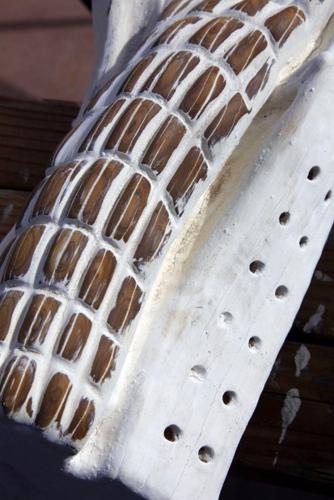
Docile leaf cutter, mason and other ground-nesting, solitary bees lay their eggs in small holes of dead trees that were drilled by native beetle larvae.
You can simulate these nurseries, what bee expert Stephen Buchmann calls bee condos, to attract bees.
First, he wants to alleviate your fear of them.
People are also reading…
"You are much more likely to be stung by honeybees than these bees," says Buchmann, adjunct scientist with the University of Arizona's entomology department.
Neither honeybees nor Africanized bees will use the condos, since they are structured differently from a hive.
Bee condos require a piece of untreated wood with holes 7 to 8 millimeters in diameter and 3 to 5 inches deep. Don't drill all the way through the wood.
He suggests anchoring bee condos so they don't dangle or swing. The best spots are in dry areas out of direct sun.
A female taking up residence will put a pollen and nectar ball in the hole, lay an egg and seal it in a cell. She repeats this up to 15 times in one tunnel, says landscape designer Greg Corman.
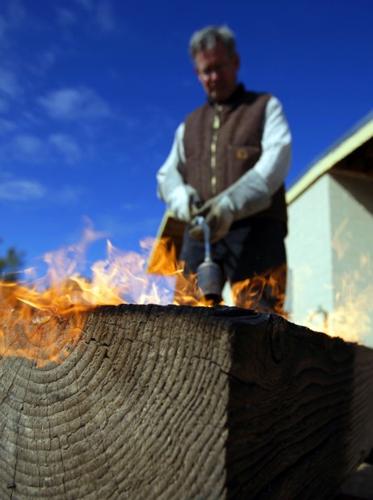
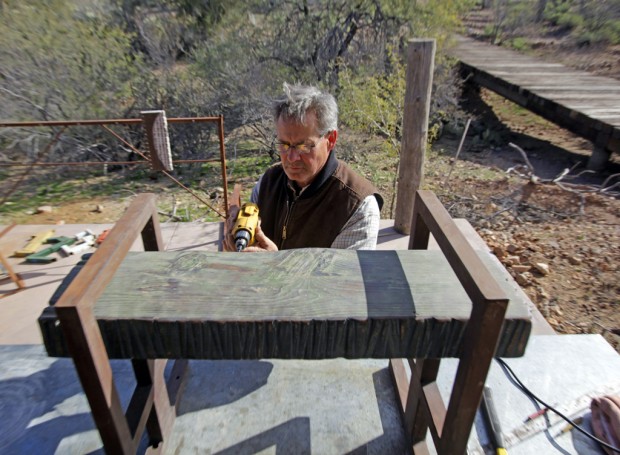
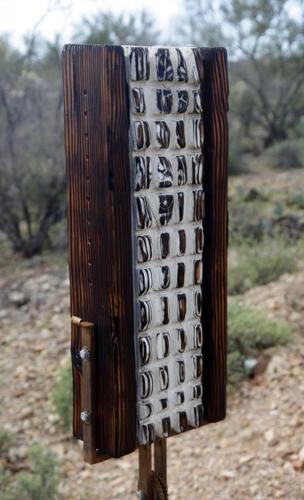
Corman builds sculptural bee condos that add form to function.
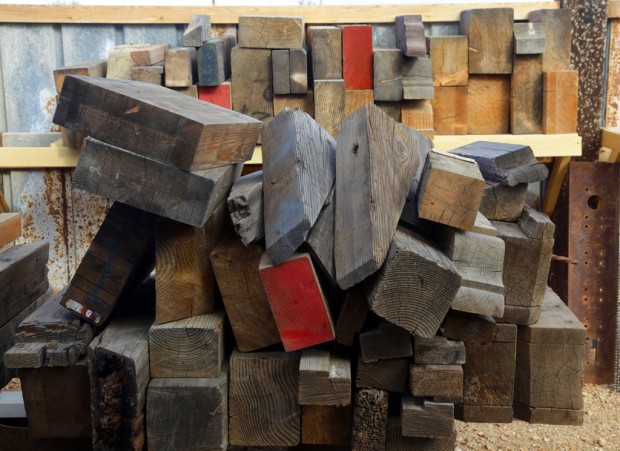
"I use recycled material to create a piece of art to humans, but it also has value to wildlife," says the owner of Gardening Insights.
Birds
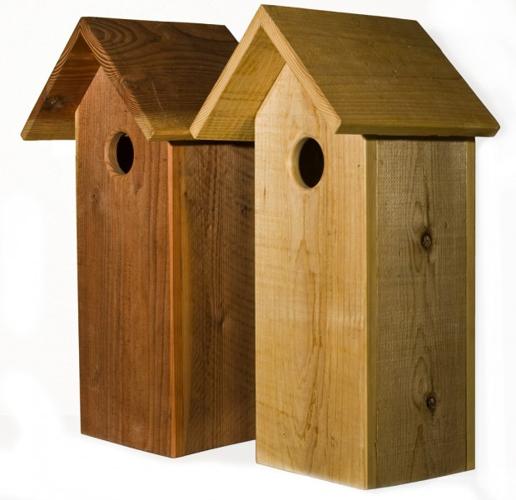
Decorative birdhouses look cute on your patio, but it's unlikely they will encourage birds to nest in them.
"Lots of birdhouses are made as decorative items and collectibles," says Jon Friedman, owner of The Wild Bird Store. "They are not made to actual specifications."
A birdhouse, also called a nesting box, has to meet the needs of specific species. The entry hole, box size, material and location all are crucial and varied.
For instance, a house to attract flickers should be at least 15 feet off the ground, Friedman says. For woodpeckers, it needs to be no more than 15 feet from the ground.
Birds that use cavities to build nests, such as woodpeckers in saguaros or sparrows in eaves, will consider a birdhouse.
"In our region there may be close to 90 species of birds that might use a cavity," says Friedman.
You need to have access to the birdhouse to clean it out after each season, he says.
Another way to attract birds is to put out nesting material. "Every bird species build somewhat different nests," says Friedman. You can set out cotton or yarn or buy holders with material for birds to take.
Bird feeders are popular attractions. Kendall Kroesen, habitats program manager for the Audubon Society of Tucson, provides these tips:
• Minimize the amount of feed on the ground to deter disease-carrying doves and pigeons, seed-eating mammals and bird-eating animals.
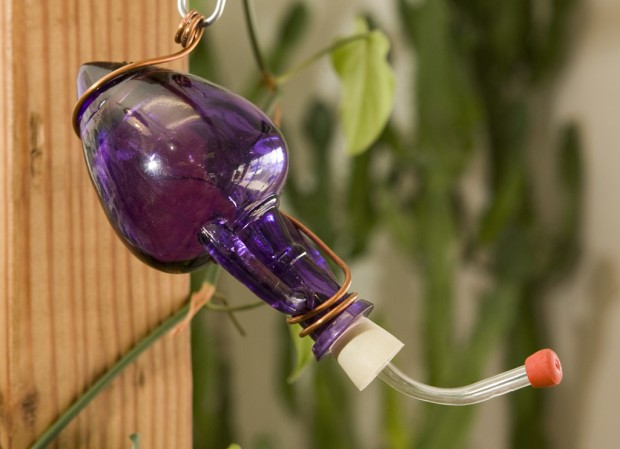
• Regularly clean out bird feeders, especially those for hummingbirds.
• Control bird numbers by using tube feeders that dole out a few seeds at a time or feeders that work only for specific species.
Bats
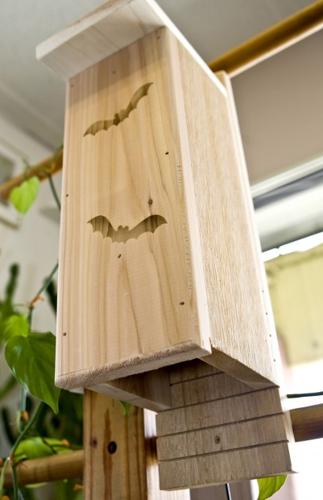
Bat houses allow insect-eating bats, such as the big brown and Mexican freetail species, to rest after a night of gorging, says Karen Krebbs, conservation biologist with the Arizona-Sonora Desert Museum.
For a bat, any overhang, crevice or cave makes a good stop for sleeping, roosting and nesting. It may take a while for a bat to discover a house in your yard.
"Bat houses work well if you had bats hanging around your porch or house or garage and then you evict them," says Krebbs. "They want to be around your house anyway."
You might not be aware that this happened, since bats are active at night when most humans aren't looking for them.
Nature and livestock stores sell bat houses and you can find instructions on the Internet, says Krebbs. This spring, Tohono Chul Park will install bat houses as part of its Year of the Bat celebration.
Face bat houses to the east in a shaded area, says Krebbs. They seem more attractive to bats when they're attached to a wall or building instead of mounted on a pole.
RESOURCES
Here are a few ideas for finding man-made habitats to attract wildlife.
• Gardening Insights, 603-2703, gardeninginsights.com. Bee condos.
• The Wild Bird Store, 3160 E. Fort Lowell Road, 322-9466. Bat houses and birdhouses, feeders and nesting material.
• Tohono Chul Park, 7366 N. Paseo del Norte, 742-6455. "Craft Bee Condos" workshop, March 3.
• Tucson Audubon Nature Shops, 300 E. University Blvd., No. 120, 629-0510, and Roy P. Drachman Agua Caliente Park, 12325 E. Roger Road, 760-7881. Bird feeders.
• Wild Birds Unlimited, 7645 N. Oracle Road, No. 110, 878-958, and 6546 E. Tanque Verde Road, No. 150, 299-9585. Bat houses and birdhouses, feeders and nesting material. The Tanque Verde store also sells bee condos.
Contact local freelance writer Elena Acoba at acoba@dakotacom.net.