


As informal as today's parents are compared with previous generations, there remains a handful of uncomfortable subjects. Alcohol and drug use is one of them.
It's certainly easier, and often more appealing, to turn a blind eye for some parents. Everyone is drinking beer and smoking pot. It's all part of growing up, especially for parents who grew up with access to lots of different substances. Right?
Not necessarily. In her new book "The Addiction Inoculation: Raising Healthy Kids in a Culture of Dependence," Jessica Lahey looks at the risks of substance abuse in kids, and what parents can do to prevent it.
CNN spoke to Lahey about why the adolescent brain is especially vulnerable to alcohol and drugs and how parents, caregivers and other adults with kids in their lives can all support fast-growing children to make better decisions when it comes to alcohol and drug use. She also shared how her own sobriety inspired the book.
People are also reading…
This conversation has been edited and condensed for clarity.
CNN: Addiction is personal for you. How did that come into play while writing this book on kids and substance abuse?
Jessica Lahey: It was scary because it isn't just me who had a substance abuse disorder; it's also a lot of my extended family. But I entirely believe that the more I talk about what I have been through, the easier it is for other people to talk about their experiences. The more I talk about it, the more I can erase the stigma of what this is.
It wasn't until I got into recovery that I realized just about anyone you meet can be an alcoholic. There are a lot of perfectionists who deal with their anxiety with alcohol.
CNN: How does the adolescent brain develop in a way that makes teens more vulnerable to addiction?
Lahey: The adolescent brain is in this process of developing and becoming, and it is not finished cooking until young people are in their early or mid-20s. Adolescents aren't wired for addiction, but they are wired to take risks. Their baseline levels of dopamine (a type of neurotransmitter associated with pleasure) are lower than they are for children or for grown-ups. Drugs and alcohol became a route to novelty and risk — to feel something.
CNN: It's also more damaging for them. Why?
Lahey: Mainly because so much development is going on, and once the damage happens you can't go back and fix things. There are receptors in the brain that are critical for learning, memory and emotions that are being perfected and honed during the adolescent period.
CNN: You write about how addiction prevention begins early. What are some of your suggestions for little kids?
Lahey: Just like with the sex, there isn't just one drug or alcohol talk. With little kids, the best prevention is social and emotional learning in schools.
It's also good for parents to have conversations about the medicine in your cabinet. For example, in the case of my household, why Mommy takes it and not Daddy. Have conversations about our health and what we put in our body from an early age.
Around elementary school, watch what you say to your kids. "I've had such a hard day, I need a drink to unwind." We use this language around kids, and boy, do they hear us, and do as we do and not as we say. When they see us using alcohol and drugs to deal with sadness or cope with emotions, they get the message that that is what alcohol and drugs are for.
CNN: This seems particularly important during the pandemic, when many parents and kids are struggling with stress, anxiety, depression or all three.
Lahey: Surveys have shown that adults have been drinking a lot more alcohol during this pandemic, and our kids see the way we use drugs, alcohol -- and food, for that matter. Again, I'm not saying we can't drink, use drugs or eat cookies, but I am saying when we show our kids that those things are a valid way to mask or numb out our feelings, they are a lot more likely to do the same. As a side note, I'm saying this as a woman who is coming out of this pandemic 10 pounds heavier than I went in.
CNN: How do you talk to teens?
Lahey: Turn it into a conversation about the way they are being marketed to. Adolescents hate being manipulated. "Do you think that having that beer will make you gorgeous and slim?"
Overall, the thing teenagers want from us is honesty, real information and evidence. When we use scare tactics they just don't believe us. We need to tell them about how their brains are developing, their risk factor, and give them refusal skills.
The best we can do is give them as much information as possible.
CNN: What does this look like in your house?
Lahey: At first, I had fully bought into the idea that in order to raise moderate drinkers, I should be more European and let my kids have sips in the home.
It turns out this doesn't work. Not only because, despite what we think, the European Union is, according to the World Health Organization, "the heaviest drinking region in the world." But also because parents of children who have a clear and consistent message of abstinence until alcohol use is legal are much less likely to develop a substance abuse disorder.
If we can just get them to age 18, it does a lot to protect their brains and prevent them from a lifelong risk of a substance abuse disorder.
In our home, we have a clear message that you can't drink until age 21.
CNN: What about the college years?
Lahey: At first I didn't know if I would do a college chapter. We think of drinking as an inevitable part of the college experience, and I thought I would just be shouting into the wind.
But I learned that the number of kids who drink during college is lower than I thought. It's a very small group of kids responsible for the majority of drinking on campus. Schools are increasingly recognizing the importance of sober alternatives.
Kids tend to have a misperception, an overestimation, to be specific, of how much other college students drink, as well as how much alcohol matters to them. They then increase their own drinking in order to match their incorrect beliefs about how much other students drink.
CNN: If you could wave a magic wand and change one thing right now about college and alcohol, what would it be?
Lahey: I would love it if colleges were more supportive of kids who don't drink or choose to drink occasionally. I am not anti-alcohol or anti-drugs. I am just pro-protecting adolescent brains and keeping kids safe. If our expectations change, they will rise to those expectations.
The 15 states with the most teens driving under the influence
Intro
Photo Credit: Alamy Stock Photo
Since the passage of the National Minimum Legal Drinking Act in 1984, the legal age at which someone can purchase and consume alcohol in the U.S. is 21. Despite the higher legal drinking age and stringent punishments for offenders, underage drinking and its associated consequences are still a major problem.
In 2017, 29.8 percent of teens engaged in underage drinking. According to the 2015 National Survey on Drug Use and Health (NSDUH), about 623,000 teenagers ages 12-17 also suffer from an alcohol use disorder (abuse or dependence), accounting for 2.5 percent of individuals in this age group.
Research indicates that drinking underage can lead to a range of negative consequences, including issues with adolescent brain development, increased risk of sexual assault, and increased risk of traffic fatalities. While 3.1 percent of adults report driving after having too much to drink, 5.5 percent of teens nationwide have reported driving after drinking any alcohol, according to data from the Centers for Disease Control and Prevention (CDC).
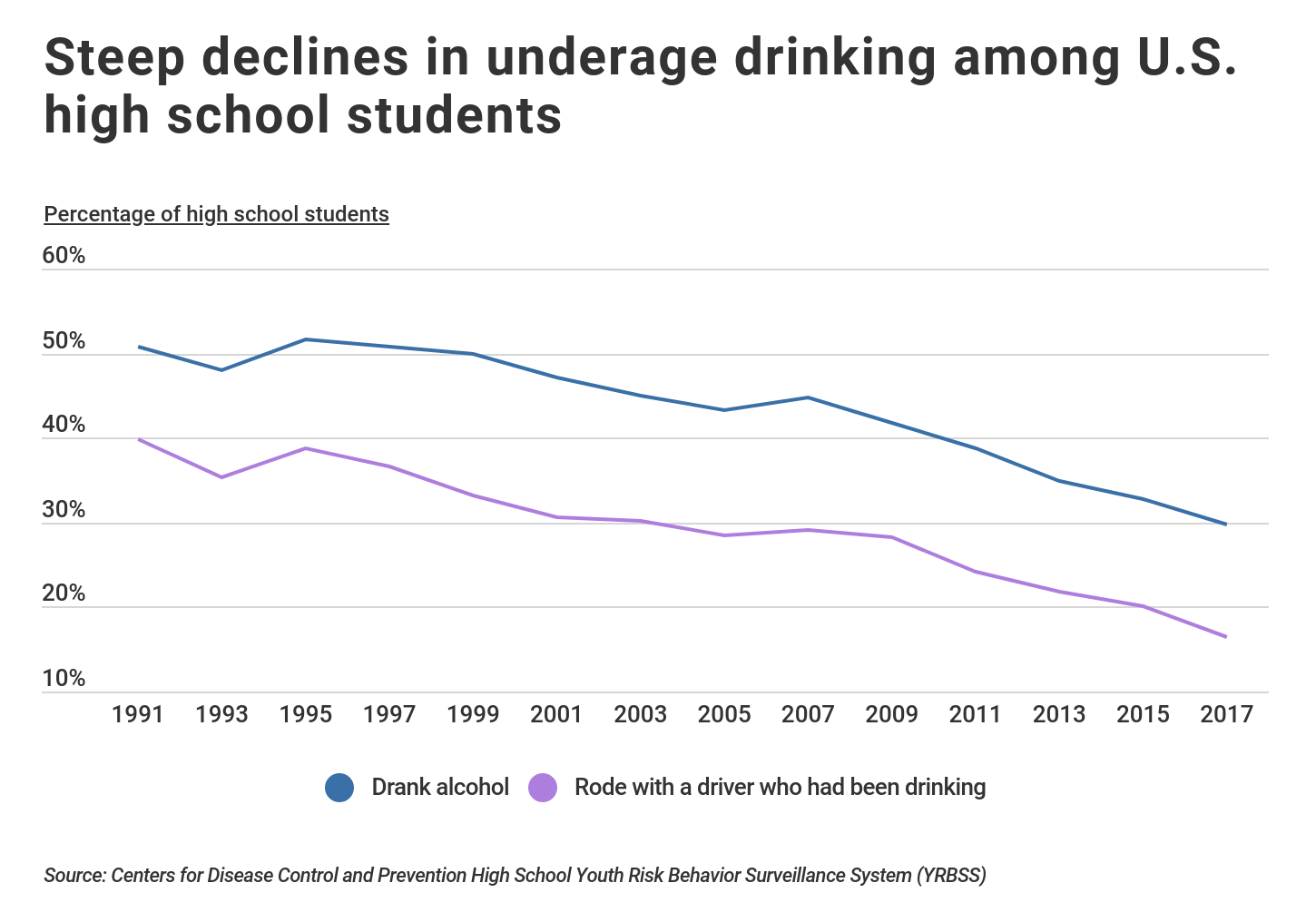
The good news is that statistics on teen alcohol use and drunk driving are improving. The percentage of teens who reported using alcohol declined from more than 50 percent in 1991 to less than 30 percent in 2017. Similarly, 16.5 percent of U.S. teens in 2017 reported riding in a car with a driver who had been drinking alcohol—a decline of more than 23 percentage points during the same time period.
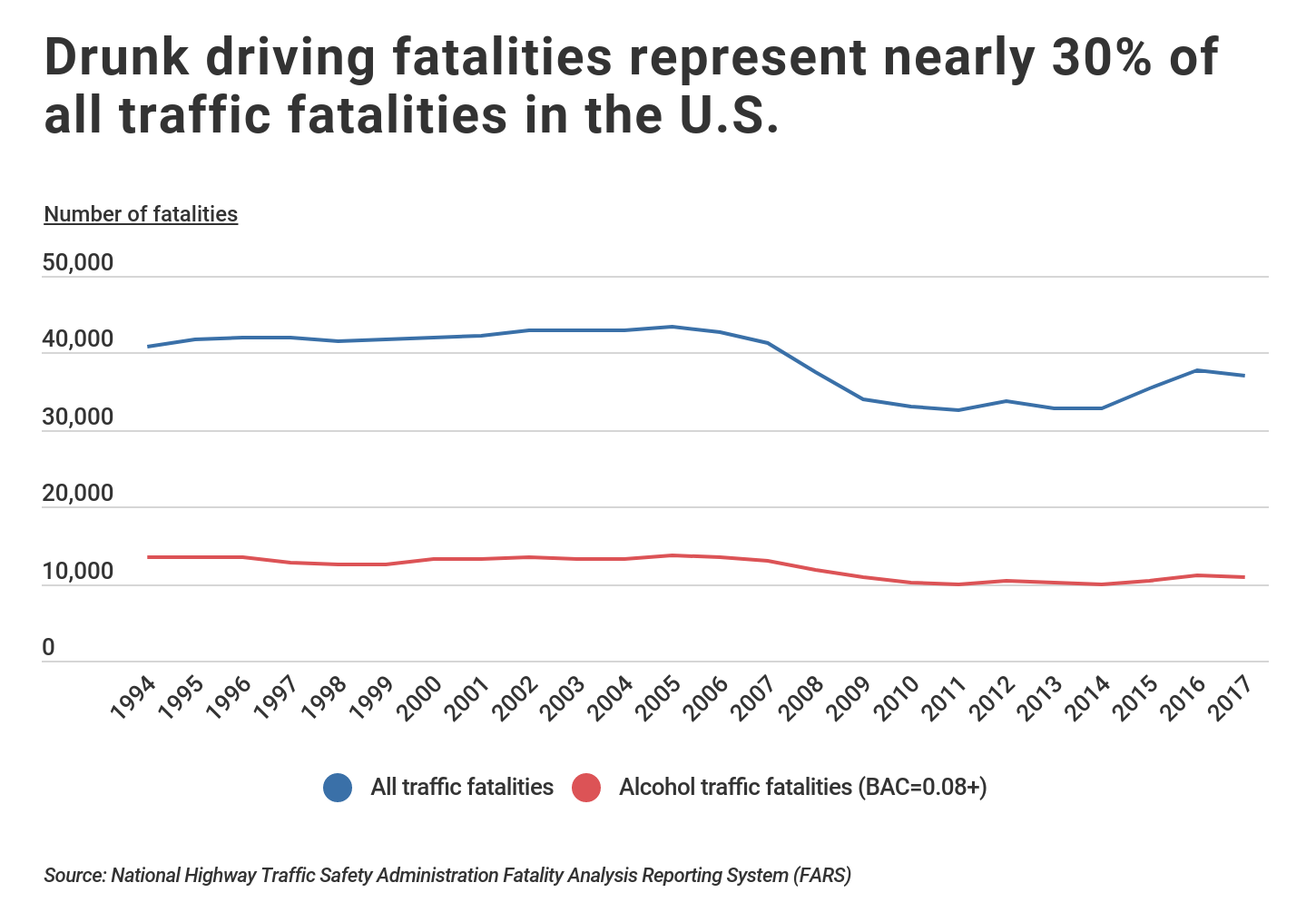
Driving under the influence endangers not only the driver’s life, but also the lives of passengers, pedestrians, and other drivers on the road. Drunk driving traffic fatalities represent almost a third of all driving fatalities. Among the 37,133 motor vehicle fatalities in 2017, 10,874 involved a driver with a blood alcohol concentration of 0.08 or higher.
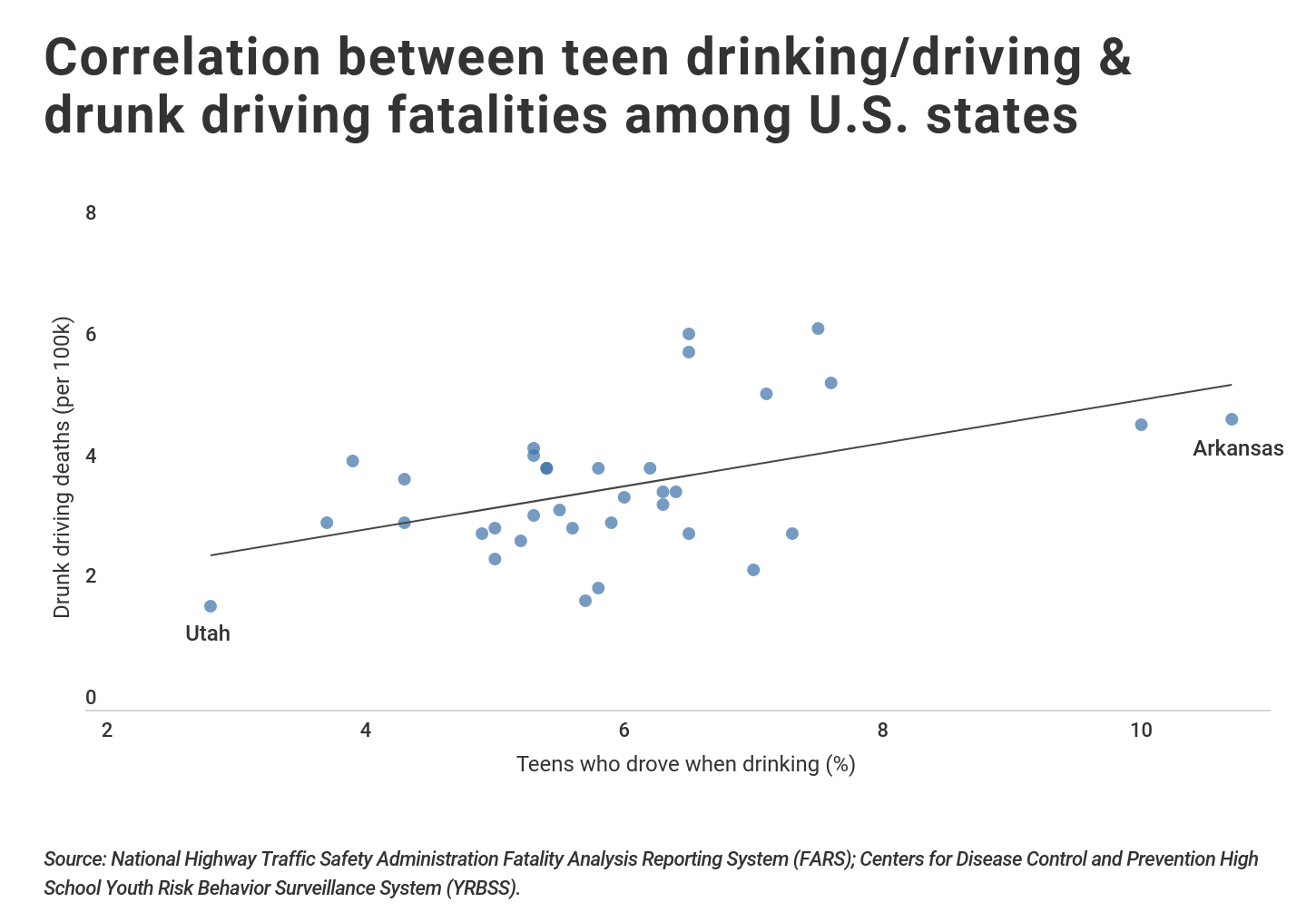
At the state level, there isn’t a statistically significant correlation between drunk driving fatality rates and the proportion of adults who report driving after having too much to drink. However, there is a significant correlation between state-level drunk driving fatality rates and the proportion of high school students who report drinking and driving. States with larger shares of high school students who drink and drive tend to have more drunk driving deaths per capita.
For example, only 2.8 percent of high schoolers in Utah report driving after drinking alcohol, and there are only 1.7 drunk driving traffic deaths per 100,000 people in the state. By contrast, in Arkansas, 10.7 percent of students report driving after drinking, and the state’s drunk driving fatality rate is 4.8. Nationwide, the number of drunk driving deaths per 100,000 people is 3.4.
In addition to the health and safety concerns associated with underage drinking, there are staggering financial costs as well. The CDC estimates that underage drinking costs the U.S. around $24 billion a year. Similarly, motor vehicle crashes involving alcohol amount to more than $44 billion per year. The financial costs of alcohol-related collisions encompass healthcare, property damage, and lost workplace productivity.
To find where teens are most likely to drive under the influence, researchers at CheapCarInsuranceQuotes.com analyzed data from the Centers for Disease Control and Prevention High School Youth Risk Behavior Surveillance System (YRBSS). They ranked states by the percentage of teens who reported driving after drinking one or more times in the past 30 days. Here’s what they found.
15. Idaho
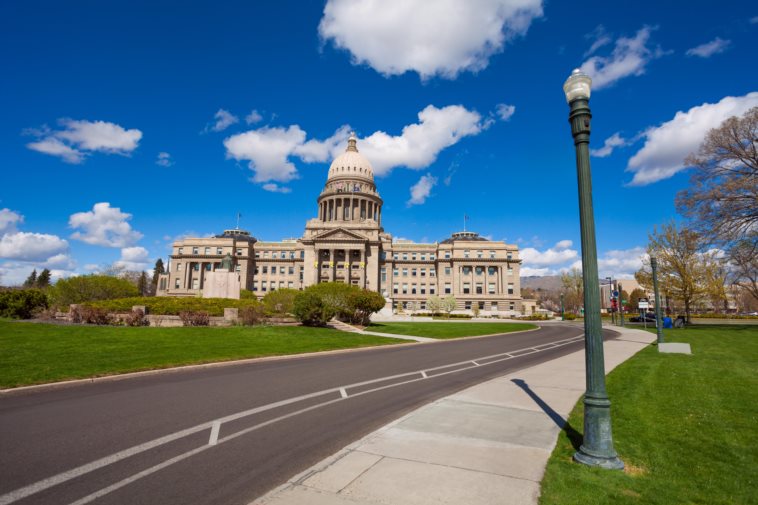
Photo Credit: Alamy Stock Photo
- Teens who drove when they had been drinking: 6.0%
- Teens who rode with a driver who had been drinking: 15.9%
- Teens who drank alcohol: 26.5%
- Adults who drove after having too much to drink: 2.9%
- Drunk driving traffic deaths: 3.5 per 100k people
14. Arizona

Photo Credit: Alamy Stock Photo
- Teens who drove when they had been drinking: 6.2%
- Teens who rode with a driver who had been drinking: 19.2%
- Teens who drank alcohol: 33.1%
- Adults who drove after having too much to drink: 2.1%
- Drunk driving traffic deaths: 4.0 per 100k people
13. Connecticut

Photo Credit: Alamy Stock Photo
- Teens who drove when they had been drinking: 6.3%
- Teens who rode with a driver who had been drinking: 17.2%
- Teens who drank alcohol: 30.4%
- Adults who drove after having too much to drink: 3.2%
- Drunk driving traffic deaths: 3.4 per 100k people
12. Nebraska
Photo Credit: Alamy Stock Photo
- Teens who drove when they had been drinking: 6.3%
- Teens who rode with a driver who had been drinking: 22.1%
- Teens who drank alcohol: 24.4%
- Adults who drove after having too much to drink: 5.1%
- Drunk driving traffic deaths: 3.6 per 100k people
11. Kansas
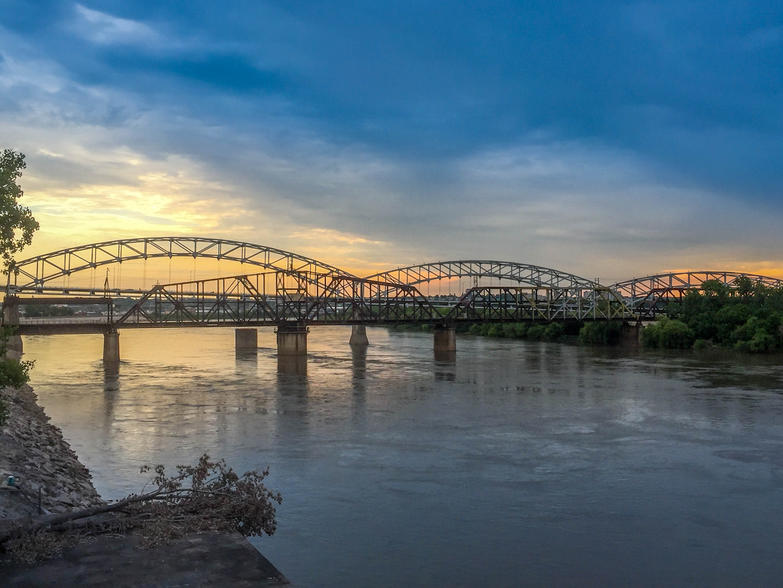
Photo Credit: Alamy Stock Photo
- Teens who drove when they had been drinking: 6.4%
- Teens who rode with a driver who had been drinking: 18.6%
- Teens who drank alcohol: 29.9%
- Adults who drove after having too much to drink: 2.9%
- Drunk driving traffic deaths: 3.6 per 100k people
10. Iowa
Photo Credit: Alamy Stock Photo
- Teens who drove when they had been drinking: 6.5%
- Teens who rode with a driver who had been drinking: 20.8%
- Teens who drank alcohol: 27.6%
- Adults who drove after having too much to drink: 5.2%
- Drunk driving traffic deaths: 2.9 per 100k people
9. New Mexico
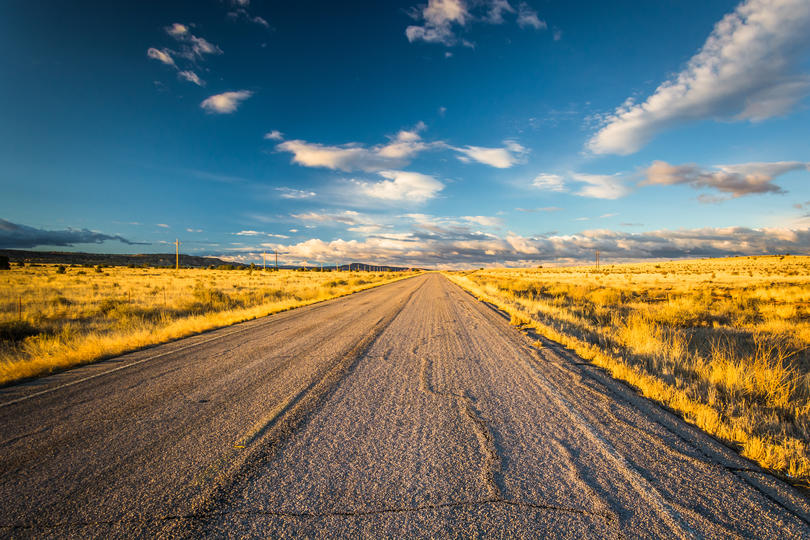
Photo Credit: Alamy Stock Photo
- Teens who drove when they had been drinking: 6.5%
- Teens who rode with a driver who had been drinking: 20.4%
- Teens who drank alcohol: 26.2%
- Adults who drove after having too much to drink: 2.0%
- Drunk driving traffic deaths: 5.9 per 100k people
8. North Dakota
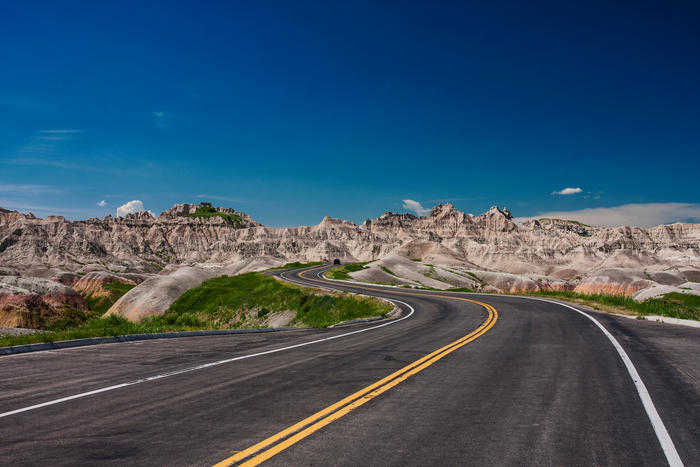
Photo Credit: Alamy Stock Photo
- Teens who drove when they had been drinking: 6.5%
- Teens who rode with a driver who had been drinking: 16.5%
- Teens who drank alcohol: 29.1%
- Adults who drove after having too much to drink: 4.7%
- Drunk driving traffic deaths: 6.2 per 100k people
7. District of Columbia
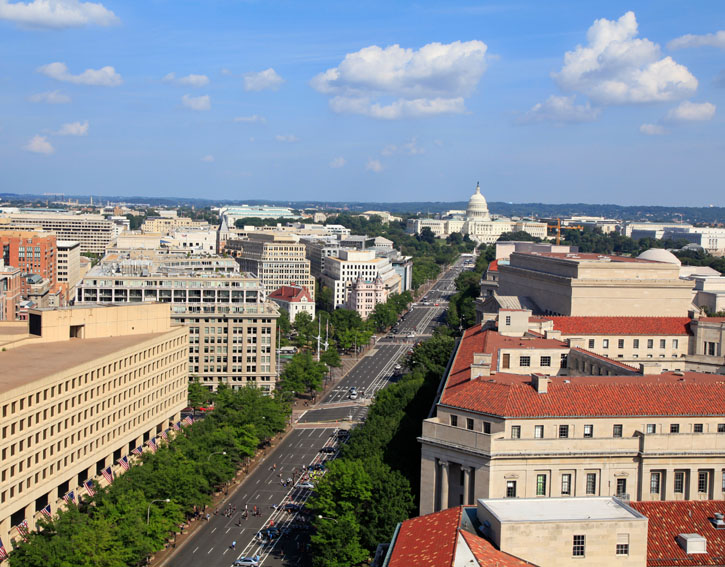
Photo Credit: Alamy Stock Photo
- Teens who drove when they had been drinking: 7.0%
- Teens who rode with a driver who had been drinking: 22.1%
- Teens who drank alcohol: 20.5%
- Adults who drove after having too much to drink: 3.3%
- Drunk driving traffic deaths: 2.3 per 100k people
6. Texas

Photo Credit: Alamy Stock Photo
- Teens who drove when they had been drinking: 7.1%
- Teens who rode with a driver who had been drinking: 20.8%
- Teens who drank alcohol: 26.8%
- Adults who drove after having too much to drink: 4.3%
- Drunk driving traffic deaths: 5.2 per 100k people
5. Vermont

Photo Credit: Alamy Stock Photo
- Teens who drove when they had been drinking: 7.3%
- Teens who rode with a driver who had been drinking: 17.9%
- Teens who drank alcohol: 33.0%
- Adults who drove after having too much to drink: 2.9%
- Drunk driving traffic deaths: 2.9 per 100k people
4. South Carolina
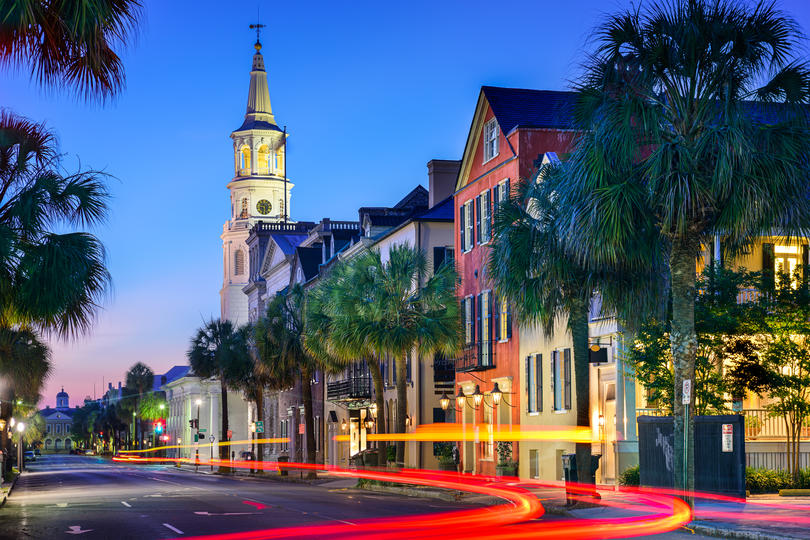
Photo Credit: Alamy Stock Photo
- Teens who drove when they had been drinking: 7.5%
- Teens who rode with a driver who had been drinking: 18.1%
- Teens who drank alcohol: 25.4%
- Adults who drove after having too much to drink: 3.1%
- Drunk driving traffic deaths: 6.3 per 100k people
3. Montana
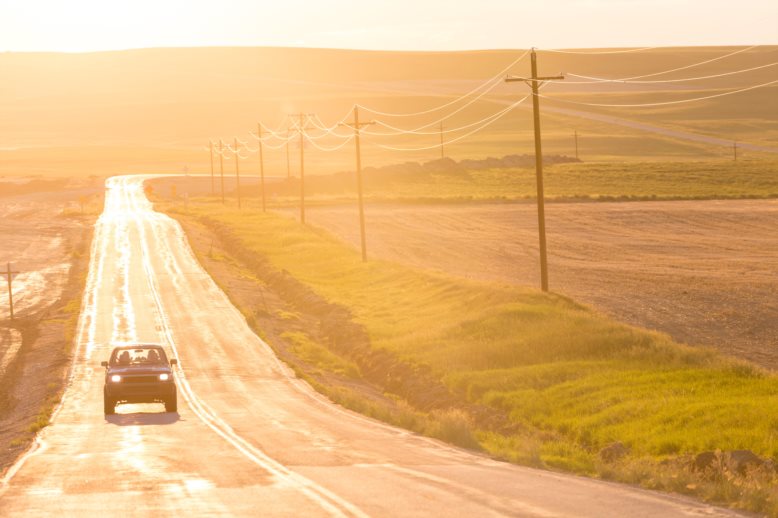
Photo Credit: Alamy Stock Photo
- Teens who drove when they had been drinking: 7.6%
- Teens who rode with a driver who had been drinking: 19.8%
- Teens who drank alcohol: 33.1%
- Adults who drove after having too much to drink: 3.7%
- Drunk driving traffic deaths: 5.4 per 100k people
2. Louisiana

Photo Credit: Alamy Stock Photo
- Teens who drove when they had been drinking: 10.0%
- Teens who rode with a driver who had been drinking: 28.2%
- Teens who drank alcohol: 34.0%
- Adults who drove after having too much to drink: 4.6%
- Drunk driving traffic deaths: 4.7 per 100k people
1. Arkansas
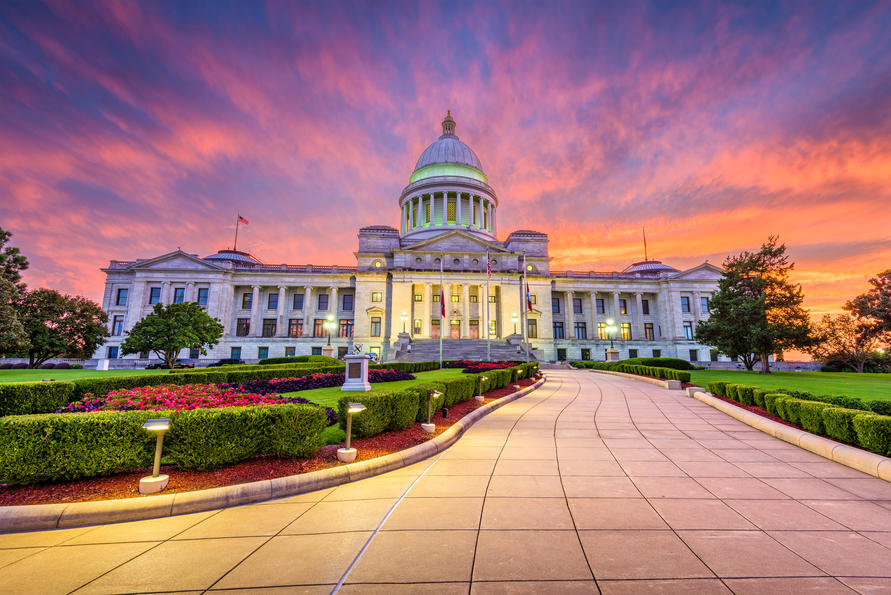
Photo Credit: Alamy Stock Photo
- Teens who drove when they had been drinking: 10.7%
- Teens who rode with a driver who had been drinking: 26.3%
- Teens who drank alcohol: 25.7%
- Adults who drove after having too much to drink: 3.1%
- Drunk driving traffic deaths: 4.8 per 100k people
Methodology and full results
Data on teen drinking patterns is from the Centers for Disease Control and Prevention High School Youth Risk Behavior Surveillance System (YRBSS). Details for the reported metrics are described below:
- Teens who drove when they had been drinking: in a car or other vehicle, one or more times during the 30 days before the survey, among students who had driven.
- Teens who rode with a driver who had been drinking: in a car or other vehicle, one or more times during the 30 days before the survey.
- Teens who drank alcohol: at least one drink of alcohol, on at least 1 day during the 30 days before the survey.
Adult drinking and driving statistics are from the Centers for Disease Control and Prevention Behavioral Risk Factor Surveillance System (BRFSS), and alcohol-related traffic death statistics are from the National Highway Traffic Safety Administration Fatality Analysis Reporting System (FARS). For the purpose of this report, drunk driving fatalities are those in which the highest driver blood alcohol concentration involved in the crash was above the legal limit of 0.08.
All data is for 2017, the most recent available year. States are ordered by the percentage of teens who report driving when they had been drinking. The CDC does not provide this data for the following states: Alabama, Delaware, Georgia, Hawaii, Indiana, Kentucky, Maine, Mississippi, New Jersey, New York, Ohio, South Dakota, and Wyoming.

Elissa Strauss is a regular contributor to CNN, where she writes about the politics and culture of parenthood.
