

HAVANA — Laura Garcia doesn't have a car, and the change in her pocket won't cover a 15-cent bus fare. But standing by a crumbling overpass, sweating in her shorts, sunglasses and skimpy top, the 18-year-old says a free ride is only an outstretched thumb away.
"People will take you. You can always find drivers to help," said Garcia, who studies law in Havana and was going to see her parents in Pinar del Rio, a 90-minute ride west.
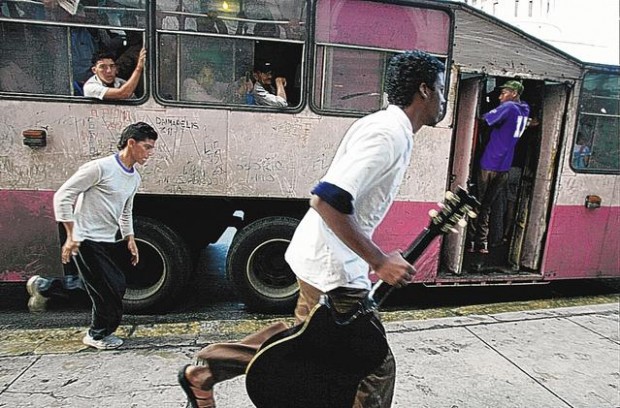
Hitchhiking is a way of life in communist Cuba, where cars are scarce, a gallon of gas costs a third of a civil servant's monthly salary, and public transportation is unreliable and overcrowded.
Lately, things have worsened, and even acting President Raúl Castro acknowledged in December that public transportation was "practically on the point of collapse."
Last year, the government announced the purchase of 7,000 buses from China, and hundreds more Chinese buses are said to be on the way since Castro took power from his ailing brother Fidel in July.
People are also reading…
Meanwhile, the hitchhikers are everywhere — at street corners, crosswalks, stoplights. Whole families with luggage hitch to and from the airport. On the capital's outskirts, government inspectors wave down government vehicles. Those with empty seats must take hitchhikers, a law that results in 68 million free rides a year, according to the Communist Party newspaper Granma.
Most drivers believe it's their duty to give free rides, but sometimes a hitchhiker will hop in uninvited. Janeth Gonzalez, 20, who climbed into a car stopped at a light, told the stranger at the wheel that she was headed to her home in downtown Havana. No big deal — "Even the police do it," she said.
Cubans call hitchhiking "pidiendo botella," or "asking for a bottle" — an age-old Cuban phrase connoting something for nothing.
While aging school and passenger buses from Canada, Russia and Europe bounce along to uncertain schedules on Havana's potholed streets, more common are 18-wheelers known as "camellos," or "camels," because of their humped metal trailers and ability to pack in 200-plus sweaty passengers seated or clinging to ceiling bars.
The graffiti-splotched vehicles usually have no number or destination sign. But as a camello shudders to a stop and passengers surge aboard, they seem to know exactly where it's headed.
"It's chaotic, difficult. But the good thing is they wait for everyone to get on," said Maria Luisa Fernandez, a 38-year-old high school teacher waiting for a camello in the shadow of Havana's capitol dome. "We go on top of one another, but we all go."


 Faculty concerned about changes to U of A admissions policy


