

WASHINGTON — The Supreme Court would have to abide by stronger ethics standards under legislation approved Thursday by the Senate Judiciary Committee, a response to recent revelations about donor-funded trips by justices. The bill faced united opposition from Republicans, who said it could “destroy” the court.
The legislation has little chance to make it through the full Senate.
The panel voted along party lines to set ethics rules for the court and a process to enforce them, including new standards for transparency around recusals, gifts and potential conflicts of interest.

Senate Judiciary Oversight Committee Chair Sen. Dick Durbin, D-Ill., seen during a June 3 hearing on Capitol Hill, said Thursday that a new ethics code for Supreme Court justices would be a “crucial first step” in restoring confidence in the court.
Democrats first pushed the legislation after reports earlier this year that Justice Clarence Thomas participated in luxury vacations and a real estate deal with a top GOP donor — and after Chief Justice John Roberts declined to testify before the committee about the ethics of the court.
People are also reading…
Since then, news reports also revealed that Justice Samuel Alito had taken a luxury vacation with a GOP donor. And The Associated Press reported last week that Justice Sonia Sotomayor, aided by her staff, has advanced sales of her books through college visits over the past decade.
Senate Judiciary Committee Chairman Dick Durbin said the legislation would be a “crucial first step” in restoring confidence in the court. He said that if any of the senators sitting in the room had engaged in similar activities, they would be in violation of ethics rules.
“The same is not true of the justices across the street,” Durbin said.
The ethics legislation has little chance of passing the Senate — it would need at least nine GOP votes, and Republicans have strongly opposed it — or the Republican-controlled House of Representatives. But Democrats say the spate of revelations means that enforceable standards on the court are necessary.
The legislation comes after years of increasing tension and partisanship on the committee over the judiciary. Then-President Donald Trump nominated three conservative justices to the Supreme Court, all of whom were confirmed when Republicans were in the Senate majority and with considerable opposition from Democrats. The court has as a result shifted sharply to the right, overturning the nationwide right to an abortion and other liberal priorities.
Republicans charged that the legislation is more about Democratic opposition to the court’s decisions than its ethics.
“It’s about harassing and intimidating the Supreme Court,” said Iowa Sen. Chuck Grassley, a senior GOP member of the panel.

South Carolina Sen. Lindsey Graham, the top Republican on the Judiciary panel, said Democrats are trying to “destroy” the court as it exists. Congress should stay out of the court’s business and mind the separation of powers, Graham said.
The bill “is an assault on the court itself,” Graham said.
The legislation would mandate a new Supreme Court “code of conduct” with a process for adjudicating the policy modeled on lower courts, which do have ethics codes. It would require that justices provide more information about potential conflicts of interest, allow impartial panels of judges to review justices’ decisions not to recuse and require public, written explanations about their decisions not to recuse. It would also seek to improve transparency around gifts received by justices and set up a process to investigate and enforce violations around required disclosures.
Republicans on the committee offered a series of amendments to the bill, some of which were focused on boosting security for judges after a man was found with a gun, knife and pepper spray near the home of Supreme Court Justice Brett Kavanaugh last year. The panel rejected most of the amendments as majority Democrats said that Republicans were trying to distract from the ethics reforms.

Durbin pushed back on the notion that the legislation is about politics, noting he had introduced legislation on Supreme Court ethics reforms more than ten years ago, when the court was more liberal. “The reforms we are proposing would apply in equal force to all justices,” Durbin said.
The current push came after news reports revealed Thomas’ close relationship with Dallas billionaire and GOP donor Harlan Crow. Crow had purchased three properties belonging to Thomas and his family in a transaction worth more than $100,000 that Thomas never disclosed, according to the nonprofit investigative journalism organization ProPublica. The organization also revealed that Crow gifted Thomas and his wife, Ginni, with hundreds of thousands of dollars worth of annual vacations and trips over several decades.
Durbin had invited Roberts to testify at a hearing, but he declined, saying that testimony by a chief justice is exceedingly rare because of the importance of preserving judicial independence. Roberts also provided a “Statement on Ethics Principles and Practices” signed by all nine justices that described the ethical rules they follow about travel, gifts and outside income.
The statement provided by Roberts said that the nine justices “reaffirm and restate foundational ethics principles and practices to which they subscribe in carrying out their responsibilities as Members of the Supreme Court of the United States.”
The 9 current justices of the US Supreme Court
Chief Justice John Roberts

Chief Justice John Roberts
Nominated to serve as chief justice by President George W. Bush
Took seat Sept. 29, 2005
Born Jan. 27, 1955, in Buffalo, N.Y.
Justice Clarence Thomas

Associate Justice Clarence Thomas
Nominated to serve as associate justice by President George H.W. Bush
Took seat Oct. 23, 1991
Born June 23, 1948, near Savannah, Georgia
Justice Samuel Alito
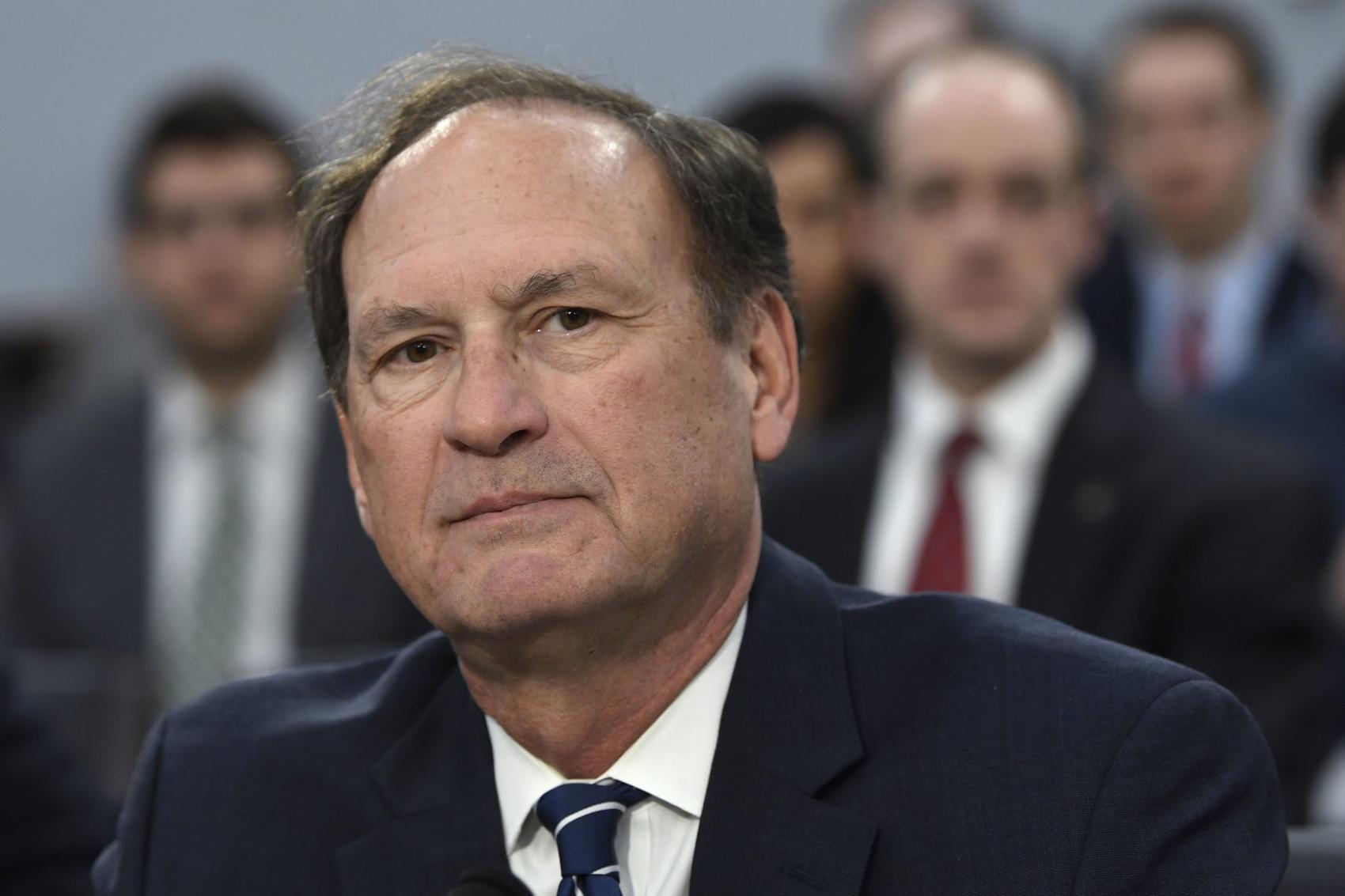
Associate Justice Samuel Alito
Nominated to serve as associate justice by President George W. Bush
Took seat Jan. 31, 2006
Born April 1, 1950, in Trenton, New Jersey
Justice Sonia Sotomayor
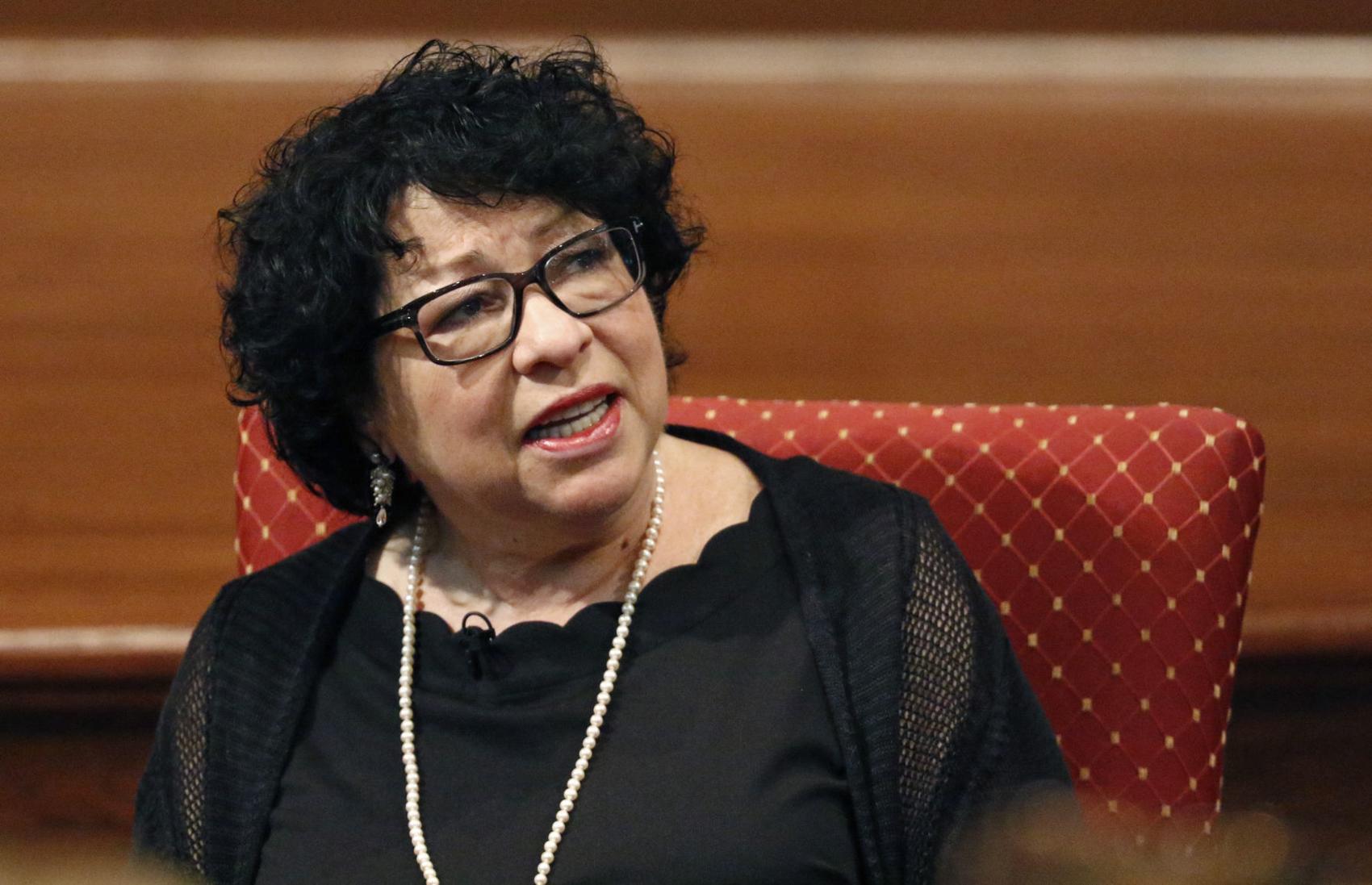
Associate Justice Sonia Sotomayor
Nominated to serve as associate justice by President Barack Obama
Took seat Aug. 8, 2009
Born June 25, 1954, in Bronx, New York
Justice Elena Kagan
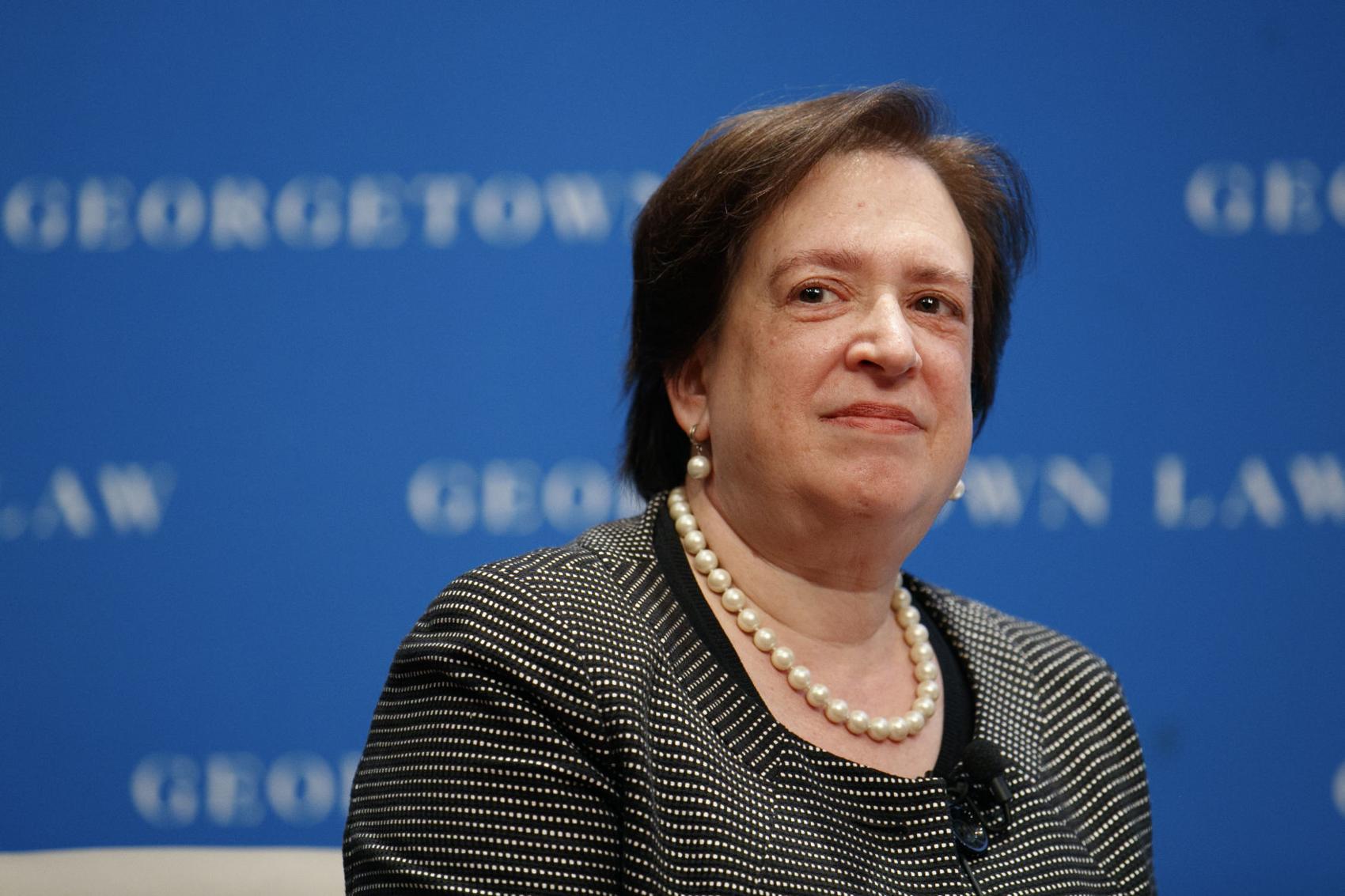
Associate Justice Elena Kagan
Nominated to serve as associate justice by President Barack Obama
Took seat Aug. 7, 2010
Born April 28, 1960, in New York City
Justice Neil Gorsuch

Associate Justice Neil Gorsuch
Nominated to serve as associate justice by President Donald Trump
Took seat April 10, 2017
Born Aug. 29, 1967, in Denver, Colorado
Justice Brett Kavanaugh

Associate Justice Brett Kavanaugh
Nominated to serve as associate justice by President Donald Trump
Took seat Oct. 6, 2018
Born Feb. 12, 1965, in Washington D.C.
Justice Amy Coney Barrett
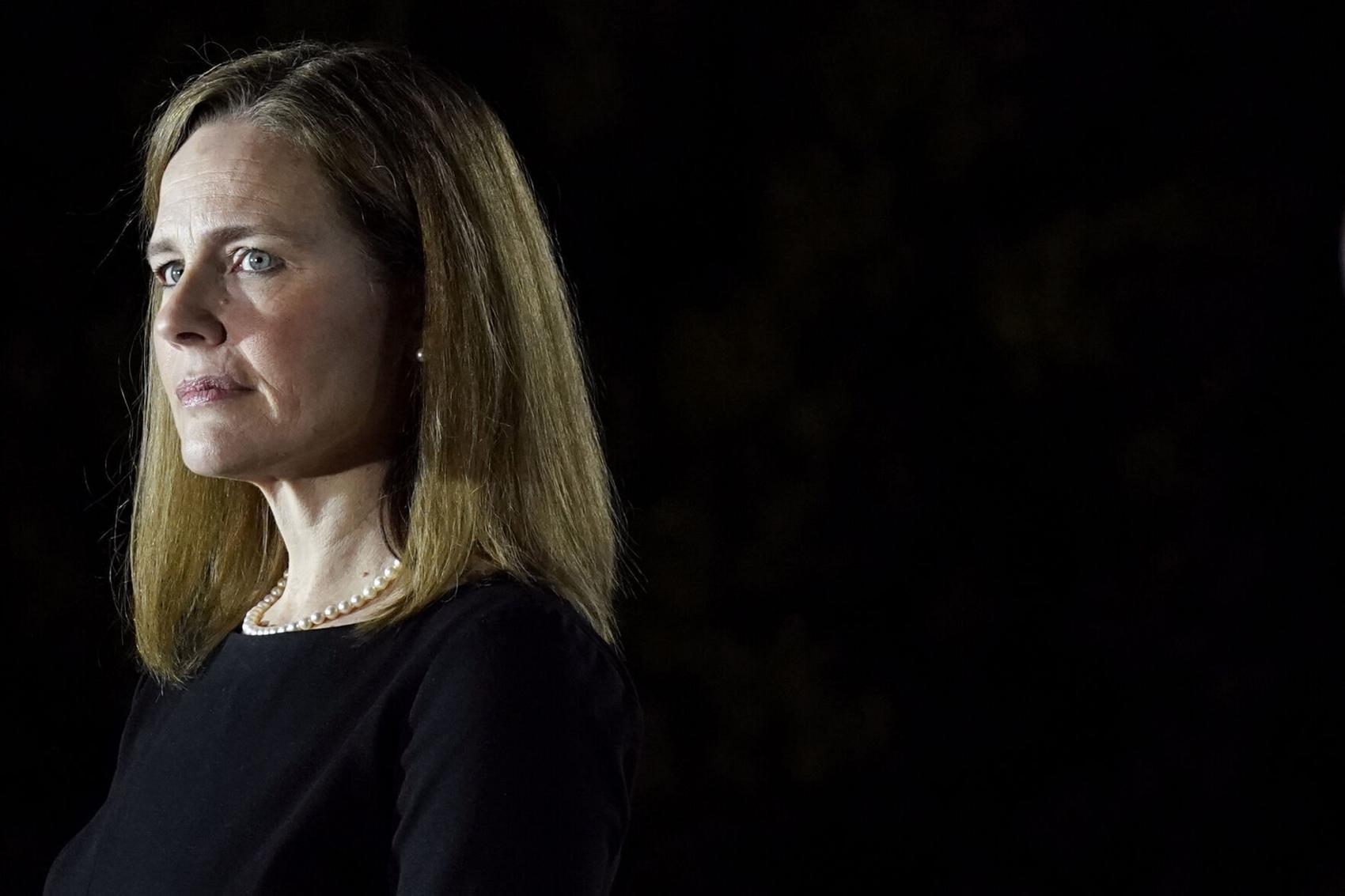
Associate Justice Amy Coney Barrett
Nominated to serve as associate justice by President Donald Trump
Took seat Oct. 27, 2020
Born January 28, 1972
Justice Ketanji Brown Jackson
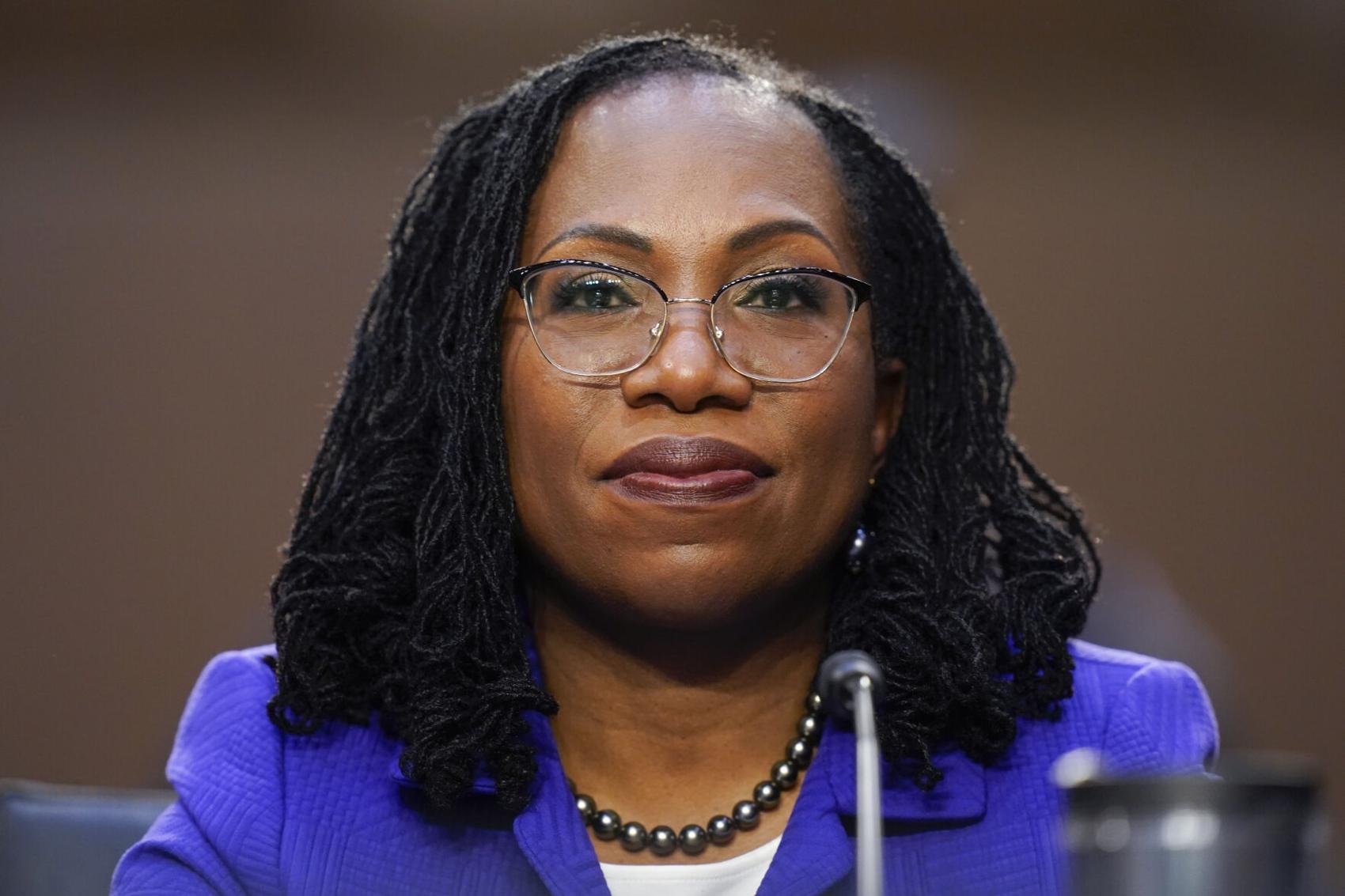
Associate Justice Ketanji Brown Jackson
Nominated to serve as associate justice by President Joe Biden
Took seat June 30, 2022
Born September 14, 1970


