

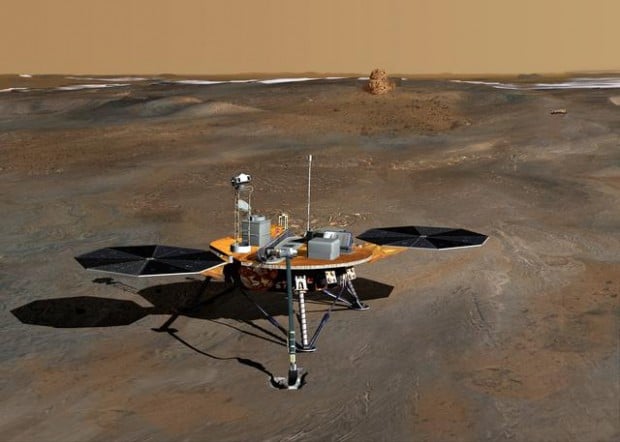

The University of Arizona will lead the Phoenix Mars Mission to the red planet's north polar region. Possible findings range from subsurface water ice — to evidence of life.
During the mission's three to five months of scientific work — before the pole is socked in by its winter layer of supercold CO2 "dry ice" — the lander's cameras, weather station, scientific ovens and wet laboratory will also analyze soil and study trenches dug by its robotic arm, photograph clouds and study winds.
– Dan Sorenson / Arizona Daily Star
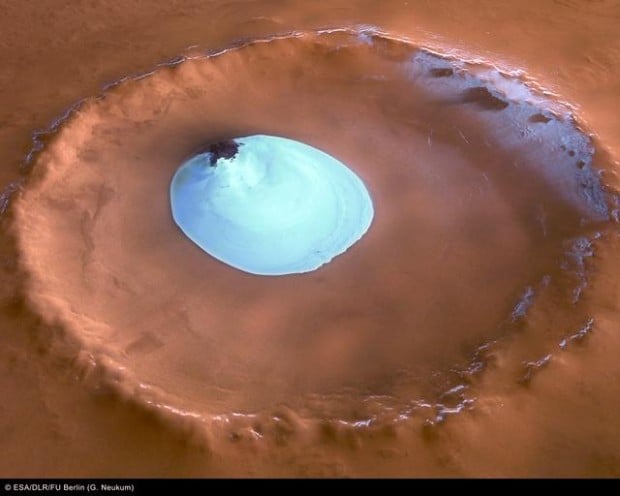
QUESTIONS ABOUT ICE ON MARS: The ice that appears on Mars' polar regions in winter is frozen CO2 — not water. Scientists believe they'll find water ice in the polar soil. They also hope to find clues as to how the water thought to be on Mars moves around the planet.
SOURCES: University of Arizona Lunar & Planetary Laboratory, NASA
People are also reading…
$415 Million
Amount spent on the Phoenix Mars Mission.


 Faculty concerned about changes to U of A admissions policy


