


Icicle and snowman decorations don't represent Tucson. I have built exactly one snowman on Christmas — that was in 1987 when Tucson got 2.6 inches of snow on Christmas Day after an inch on Christmas Eve. Let me assure you, that snowman did not look like anything you see on cards or tchotchkes.
Holiday decorations can be complemented with Southwestern items to create a décor that is a step beyond kitschy chile pepper lights.
One of my favorite ways to bring the desert indoors is by using devil's claw. (This is a plant and has nothing to do with the University of Arizona's big football win over the Arizona State University Sun Devils.)
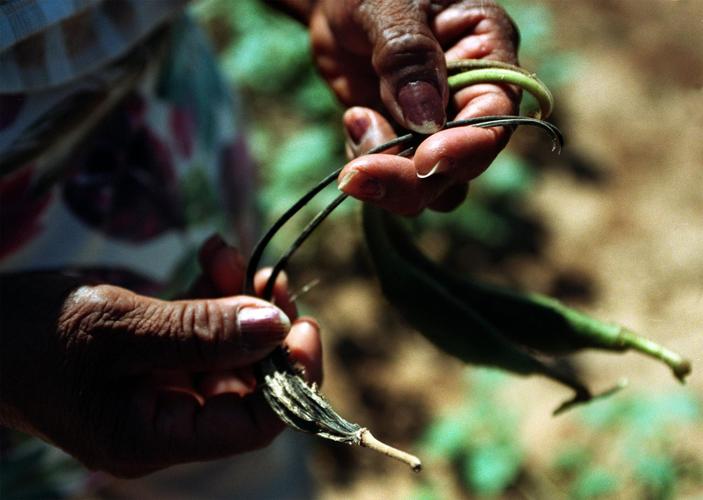
A wash walker, I’ve picked up a collection of devil's claw — some of it I’ve sought, some of which have been attached to my shoelaces or the cuff of my jeans. Devil’s claw seedpods are hitchhikers and cling to the hooves of grazing animals to be dispersed as the animal walks around. The plant was not popular with sheep ranchers because the claws could be entangled in the wool.
People are also reading…
The perennial grows throughout the Sonoran desert, from southern California into Texas and south into Mexico. Its generic name Proboscidea is from the Greek word “proboscis," which refers to the long claw or horn of the fruit, according to gardeningwithtomleroy.com
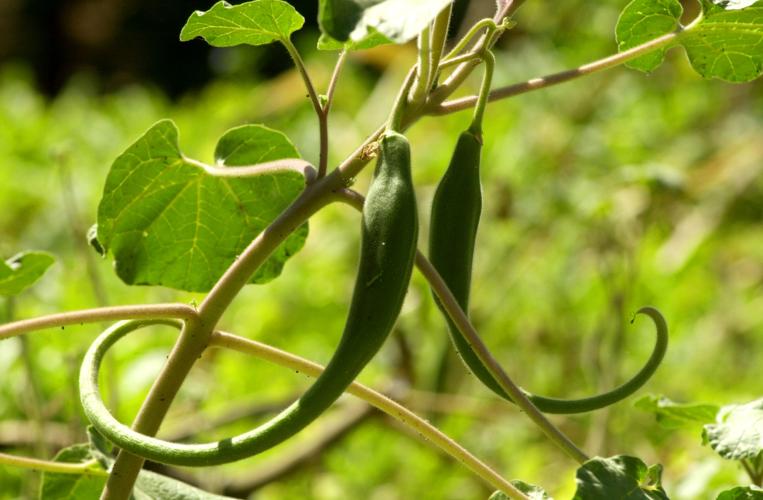
The plant’s fruit a hanging seedpod capsules; each will produce about 50 capsules. The name “devil’s claw” was spawned because the inner woody capsule that splits open at one end into two curved horns or claws. There are about 40 to 50 seeds in each capsule that are released gradually when the claws split. The plants are also called “elephant tusks.”
Devil’s claw is intrinsic to the Tohono O'Odham’s ancient art of basketry. The O’odham cultivate devil’s claw to make the strong baskets that were used for washing, collecting saguaro fruit, mixing dough and winnowing seeds. Some ethnobotanists believe that this domestication is one of only a handful that occurred for wild native plants north of Mexico, according to desertusa.com. Women were apparently responsible for cultivating the plant.
Devil's claw also has been used for medicinal purposes. Native Americans used it treat loss of appetite and indigestion. One of the sharp points piercing the skin was thought to relieve arthritis and other degenerative disorders.
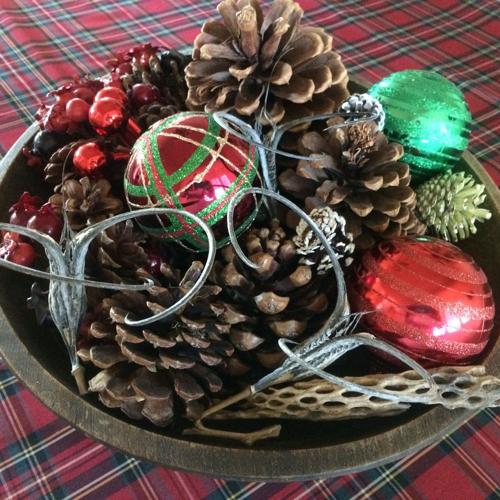
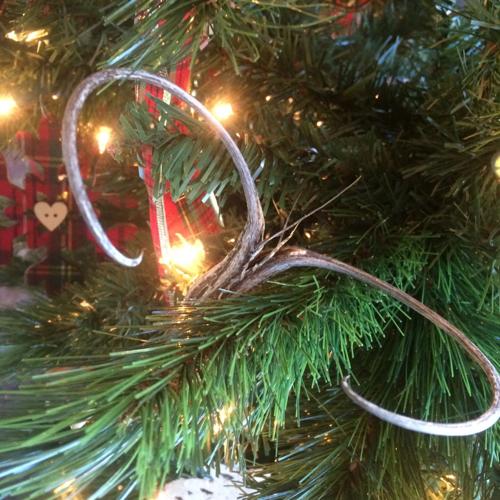
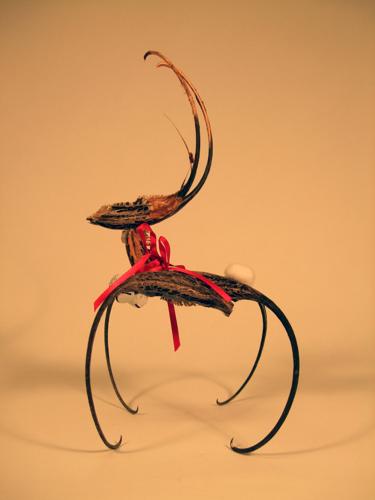
Devil’s claw — despite it’s rather nonholiday sounding name — can bring a bit of the desert to centerpieces, Christmas trees, knickknacks and wreaths. Something an icicle could never do.


