

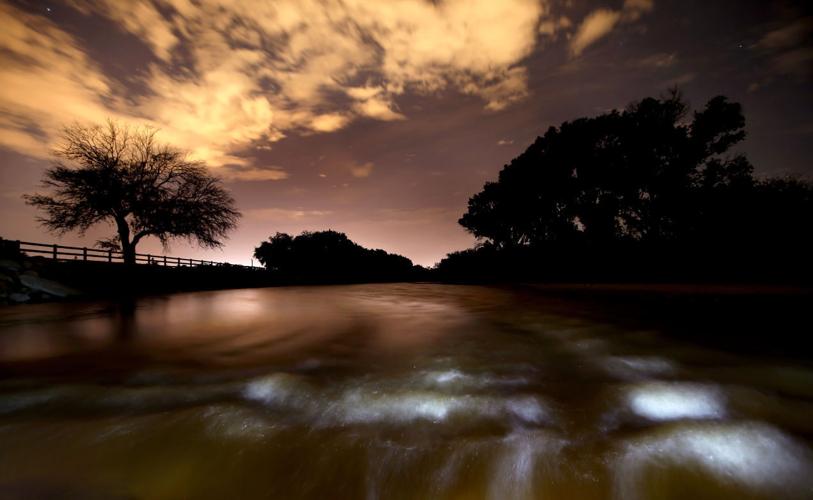
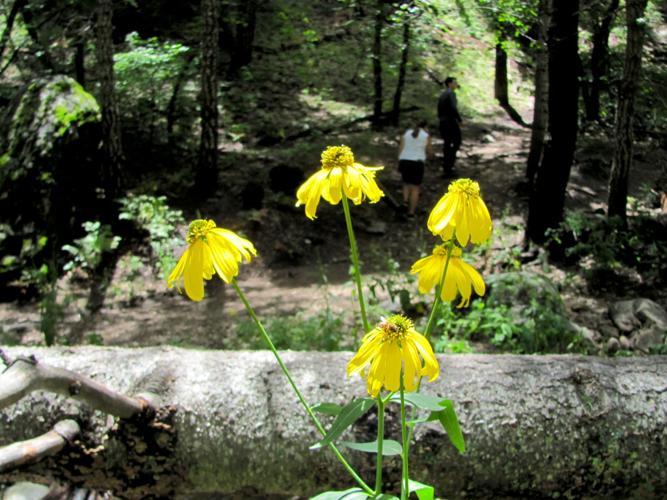
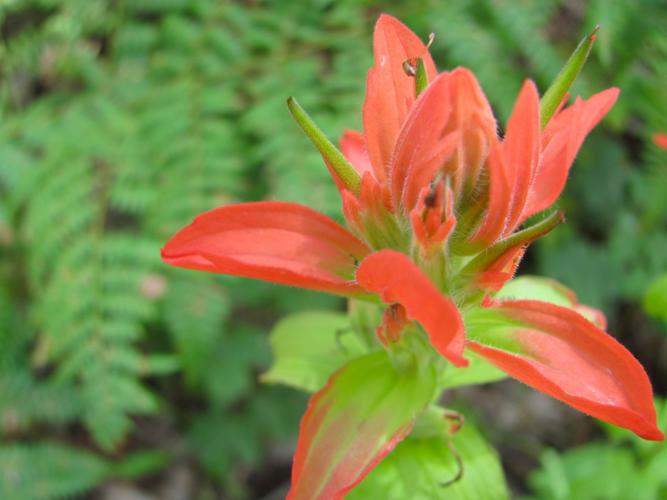
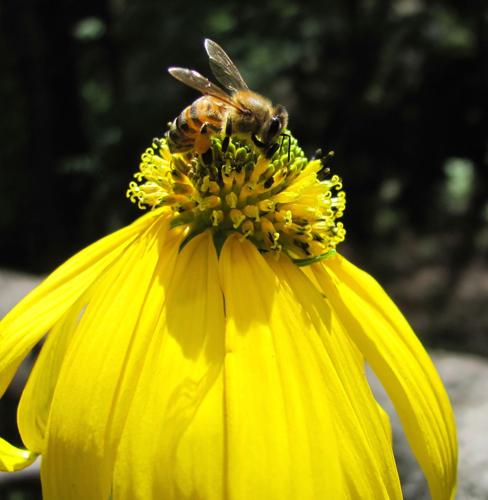
Monsoon rains have worked their wet wonders on wild landscapes of Southern Arizona — bringing gushing streams, fresh greenery and brilliant wildflowers to sometimes drab mountains and canyons.
Several sites around Tucson offer front-row views of monsoon-nurtured splendor — with the Catalina Mountains north of the city standing out as a showcase for verdant, water-washed beauty.
Simply driving up the Catalina Highway to higher elevations of the range — topping out at 9,157-foot Mount Lemmon — provides a colorful overview. Hiking a forest trail offers a more intimate look at fields of ferns, wildflowers and flowing creeks.
“To enjoy the beauty, you don’t even need to get out of your car,” said Heidi Schewel, spokeswoman for the Coronado National Forest, which includes the Catalinas. “The roadsides are a proliferation of color. Yellow columbine and evening primrose, red cinquefoil and penstemon, purple geranium and shooting star, are among the many wildflowers that blanket the hillsides.”
People are also reading…
Schewel described some of the benefits of a monsoon-season hike in the mountains.
“Leave your vehicle and venture through filtered sunlight on one of the trails and you may be treated to the sound of running water,” she said. “The air is filled with bird songs, including the lilting, flute-like call of the hermit thrush. The air following a storm is crisp and clean, and may bring on a chill.”
“Squirrels, white-tailed deer and Gould’s turkeys are out and about and may be spotted during the daylight hours,” Schewel added.
Sam McClung, president of the Southern Arizona Hiking Club, said the abundant rains have left some mountains — including parts of the Santa Rita range south of Tucson — cloaked in tall grasses.
Grasses in some mountain areas are “at least knee- high, lush, and the greenest green that would make Ireland blush,” McClung said.
“The grass I have seen this year is lush as though it were found on an irrigated farm or ranch field,” he said. “It is truly beautiful.”
If a drive up the Catalina Highway inspires a short hike to get a closer look at the landscape, here are some trails to try:
- Marshall Gulch Trail
- — This 1.2-mile trail, beginning at the Marshall Gulch picnic area about a mile south of the mountain village of Summerhaven, looks almost like something out of the Pacific Northwest with tall ferns, abundant wildflowers and a stream that flows briskly after heavy rainfalls.
- Butterfly Trail
- — The 5.7-mile trail connects two points along the Catalina Highway and winds through pine forests trimmed with dense ferns and clumps of wildflowers. Take the Catalina Highway past milepost 19 to a parking area and trailhead on the right. A second trailhead is on the right between mileposts 22 and 23.
MORE VIEWING SITES
Here are some other sites near Tucson for observing effects of monsoon moisture:
- Watercourses
- — The banks of the Rillito and Santa Cruz rivers, Tanque Verde Creek and other usually dry stream beds can provide exhilarating views of flowing water in the wake of heavy rains.
- Sabino Canyon
- — One of the wonders of the scenic canyon northeast of Tucson is Sabino Creek, which often flows vibrantly during the monsoon with runoff from mountain rains. Streamside vegetation shows off in hues of intense green, and some summer wildflowers add color.
- Madera Canyon
- — The canyon, about 40 miles south of Tucson in the Santa Rita Mountains, is known for its flowing stream, cool woodlands and emerald hillsides during the summer rainy season.
- Saguaro National Park
- — The park’s units east and west of Tucson offer a close-up look at desert landscapes greening up dramatically after abundant rains.


 Faculty concerned about changes to U of A admissions policy


