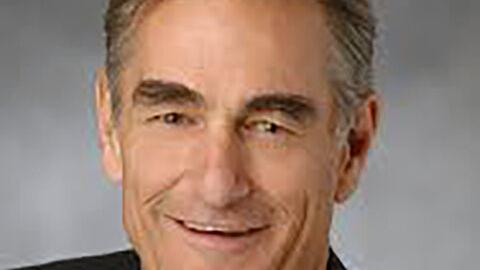
It's nice and all to say attorney Dale Haralson worked free for years on behalf of "downwinders" - those who suffered radiation poisoning due to atomic-bomb tests in Nevada in the 1950s and 60s - but Haralson planned to get paid.
Although Haralson's work eventually led to Congress passing the 1990 Radiation Exposure Compensation Act, which distributed $1.5 billion to victims, neither he nor his firm received money from the legislation.
"It wasn't intended to be (for free)," he said with a chuckle. "That was not my intent."
Haralson worked on contingency on behalf of 10 plaintiffs and - after taking their case to court in 1982 - eventually won a $2.6 million settlement from a federal judge in Utah. Appellate courts overturned the decision. More than 400 victims, many of whom suffered cancer and burns from the radiation, have made claims under the congressional act.
People are also reading…
Haralson says his rewards came in the satisfaction that the litigation led to eventual victory with the passage of the law.
This summer, he was honored with the inaugural Fallout Award by the Western Trial Lawyers Association for "dedication, diligence and commitment to justice on behalf of clients in need of representation," without regard to compensation.
Haralson, 73, has been with the law firm Haralson, Miller, Pitt, Feldman & McAnally, P.L.C. since 1997 and specializes in personal injury, medical malpractice, product liability, insurance and aviation and railroad litigation.
He has racked up numerous awards and accolades over his 47-year legal career.
The Star caught up with Haralson recently.
Q. How does it feel to win the Fallout Award?
A. It feels great to receive the honor. I don't believe the legislation would have passed if it hadn't been for the litigation.
Q. Did the congressional act feel like a win?
A. Yes. To me that is very satisfying. That's one of the results of the litigation, as well as what I think was probably the first major litigation that proved just because the government tells its citizens something, that doesn't necessarily mean it's true.
Q. How tough was it to do all that work for no pay?
A. It was tremendously exhausting. We would travel all over southeastern Nevada, Utah and Northern Arizona day after day, taking depositions from people who lost family members due to cancer and leukemia, as well as traveling all over the country to take depositions from expert witnesses.
Q. What kept you going?
A. The biggest inspiration to me was the people we represented - their attitudes and the confidence that they had in the litigation process and the litigation team. To me, they were the main inspiration of all, and they're what made me want to keep going."
Contact reporter Phil Villarreal at 573-4130 or pvillarreal@azstarnet.com

 Second wall planned across Arizona as Trump administration doubles down on border