

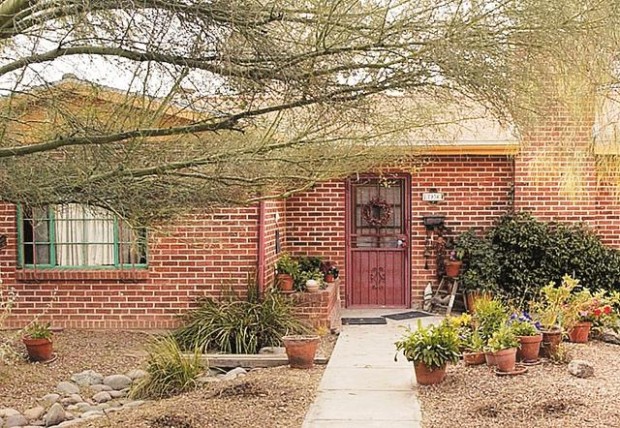
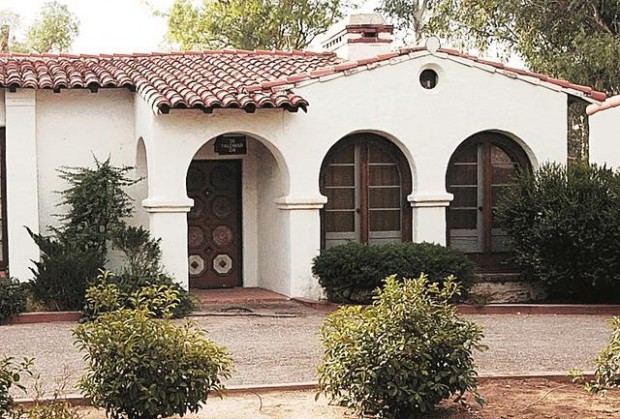
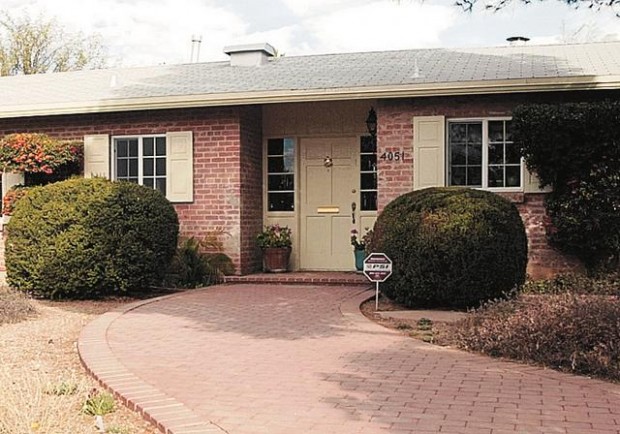
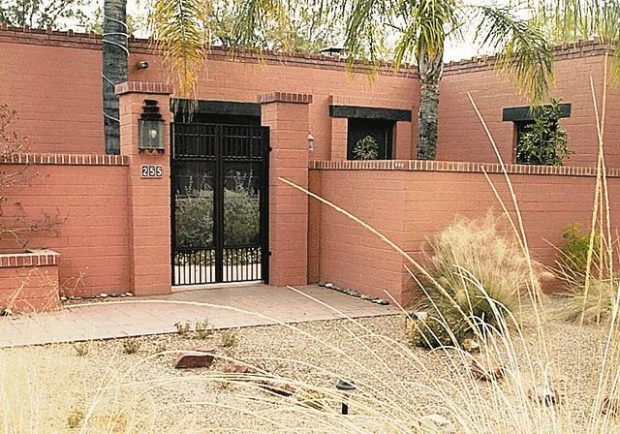
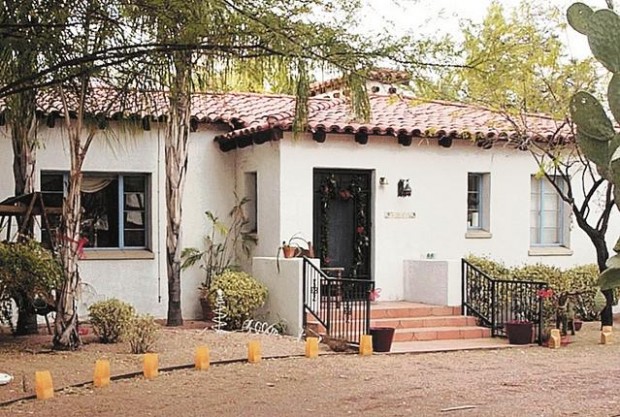
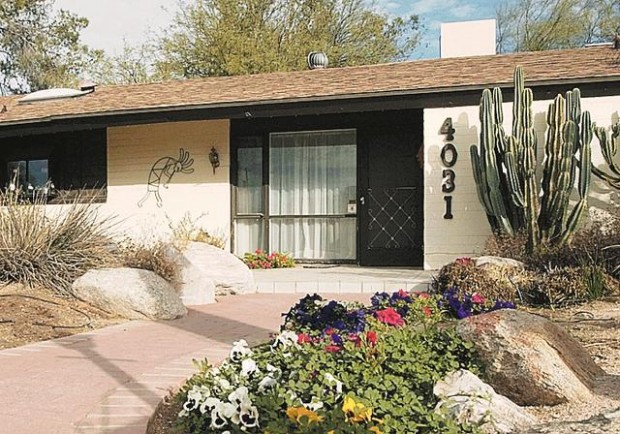
Getting a historic designation for a neighborhood can be daunting, but 21 neighborhoods in Tucson have done it, and the city's Department of Urban Planning and Design is trying to make the process a little easier.
Normally, a neighborhood has to go through many steps, including getting a contractor to inspect each house for its historical architecture and design. The department plans to do a study of all of the neighborhoods built after World War II to determine which ones have historical significance, said Marty McCune, historic preservation officer for the city.
The study will help the department develop more specific eligibility criteria, McCune said. Neighborhoods meeting the criteria will be encouraged to pursue a historical designation, she said.
The midtown San Clemente Neighborhood earned its historical neighborhood status last spring after more than five years of hard work. The neighborhood has about 280 homes and is bordered by East Broadway, East Timrod Street, South Columbus Boulevard and South Alvernon Way.
People are also reading…
Homeowners and volunteers completed some of the application work before the inspections began, said Tony Haswell, treasurer for the San Clemente Neighborhood Association.
McCune suggests before any of the long-term research begins, find out how old the homes are. A majority of the homes in the neighborhood must be at least 50 years old, she said.
Another consideration is the historical significance of the neighborhood, either in the architecture or the role the neighborhood played in Tucson's history, she said.
"There are other issues, too, such as having had famous or significant people who've lived in the neighborhood," said Matt Zoll, president of the San Clemente Neighborhood Association.
Next, an architectural consultant takes a look.
"The state historic preservation office requires a competent architectural consultant to verify the integrity of the façade and structure in terms of historical origins," Haswell said.
The process helps those working on the designation to learn about their neighborhood, too, neighborhood association members said.
"That was really interesting and fun about our process," Zoll said. "Some of the names (of people who once lived there) have contributed a lot to the growth and vitality of Tucson."
McCune's department helps find grants to pay for the cost of the architectural contractor, but the neighborhood has to raise some money as well.
San Clemente needed about $30,000 to get its project started in 1999, and the city's Department of Urban Planning and Design found grants to cover about $13,000 of the cost.
Once the national historic register accepts the neighborhood and gives it a historic designation, homeowners can apply for a tax credit.
Though any kind of tax credit can sound good to homeowners, it is something to weigh, McCune said. Some jump at the tax credit, but they need to realize it comes with certain restrictions and responsibility, she said.
The tax credit can be worth up to 50 percent of the property tax value of a home. Homeowners can apply for that credit for up to 30 years. However, homeowners taking advantage of the tax credit cannot modify the house (such as adding a wall around the front yard) without having the modification approved by the state historic preservation office.
● For more information, visit the National Register of Historic Places, www.cr. nps.gov/places, call Kristi Jenkins with the city of Tucson Department of Urban Planning and Design, 791-4505 or email kristi.jenkins@tucsonaz.gov


 Tucson's iconic Arizona Inn to add rental homes to its property


