A new agreement between the city and the Tucson Airport Authority will benefit economic development projects near the airport — especially a plan to protect the area’s largest private employer.
The Tucson City Council approved the agreement Tuesday.
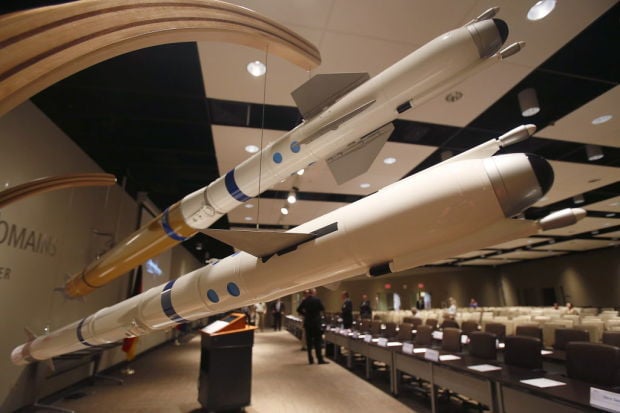
The city and TAA agreed to preserve a buffer zone around Raytheon Missile Systems, which means no development nearby the missile plant at no cost to the city.
That brings the city one step closer to meeting its obligations from a 2009 annexation agreement with Raytheon.
The city lured Raytheon into the city limits by agreeing to put half of Raytheon’s use taxes into a fund that would pay for the buffer land and other site improvements.
Shortly after, the company cited a lack of buffer space as one reason it put a new factory in Hunstville, Alabama, instead of in Tucson. The company needs a buffer area between hazardous materials and populated areas.
People are also reading…
Now that the buffer site is secure and so are Raytheon jobs, the city can tap into the unspent set-aside funds, Mayor Jonathan Rothschild told the council at Tuesday’s meeting.
The agreement works for the TAA, too. It helps keep the airport’s major tenant happy and provides an area for the airport to build a second runway, said David Hatfield, the TAA’s senior director of business development and marketing.
The TAA also agreed to continue investing in infrastructure at the airport.
Hatfield said the TAA has spent about $7 million since 2010 on projects to get airport sites shovel-ready for new businesses. And over the next 10 years TAA plans to invest $250-$300 million in infrastructure, including terminal improvements, a second runway and other projects, he said.
The TAA also signed a new 50-year lease with the city for the airport property, which it has leased from the city since 1948.
The previous lease was set to expire in 2048, and the new lease lets the TAA offer longer-term leases to prospective tenants, Hatfield said.
The terms of the new lease require new and renewing airport tenants to agree to annexation into the city.
Rothschild told the City Council those future annexations are an economic development win-win. “We gain sales tax, use tax and construction sales tax, as well as the ability to offer city incentives to spur investment,” he said.
Contact reporter Becky Pallack at bpallack@tucson.com or 573-4346. On Twitter: @BeckyPallack

Becky Pallack
Product manager