Skip to main contentSkip to main content
Register for more free articles.
Log in Sign up
Back to homepage
Subscriber Login
Keep reading with a digital access subscription.
Subscribe now
You are the owner of this collection.
Edit Collection
You have permission to edit this collection.
Edit
Arizona Daily Star
62°
  • Sign in
  • Subscribe Now
  • Manage account
  • Logout
    • Manage account
    • e-Newspaper
    • Logout
  • News
    • Sign up for newsletters
    • Local
    • Arizona
    • Business
    • Crime
    • Nation & World
    • Markets & Stocks
    • SaddleBrooke
    • Politics
    • Archives
    • News Tip
  • Arizona Daily Star
    • E-edition
    • E-edition-Tutorial
    • Archives
    • Special Sections
    • Merchandise
    • Circulars
    • Readers' Choice Awards
    • Buyer's Edge
  • Obituaries
    • Share Your Story
    • Recent Obituaries
    • Find an Obituary
  • Opinion
    • Submit a Letter
    • Submit guest opinion
    • Letters to the Editor
    • Opinion & Editorials
    • National Columnists
  • Sports
    • Arizona Wildcats
    • Greg Hansen
    • High Schools
    • Roadrunners
  • Lifestyles
    • Events Calendar
    • Arts & Theatre
    • Food & Cooking
    • Movies & TV
    • Movie Listings
    • Music
    • Comics
    • Games
    • Columns
    • Play
    • Home & Gardening
    • Health
    • Get Healthy
    • Parenting
    • Fashion
    • People
    • Pets
    • Travel
    • Faith
    • Retro Tucson
    • History
    • Travel
    • Outdoors & Rec
    • Community Pages
  • Brand Ave. Studios
  • Join the community
    • News tip
    • Share video
  • Buy & Sell
    • Place an Ad
    • Shop Local
    • Jobs
    • Homes
    • Freedom RV AZ
    • Marketplace
    • I Love A Deal
  • Shopping
  • Customer Service
    • Manage My Account
    • Newsletter Sign-Up
    • Subscribe
    • Contact us
  • Mobile Apps
  • Weather: Live Radar
  • Facebook
  • Twitter
  • Bluesky
  • YouTube
  • Pinterest
  • Instagram
© 2026 Lee Enterprises
Terms of Service | Privacy Policy
Arizona Daily Star
News+
Read Today's E-edition
Arizona Daily Star
News+
  • Log In
  • $1 for 3 months
    Subscribe Now
    • Manage account
    • e-Newspaper
    • Logout
  • E-edition
  • News
  • Obituaries
  • Opinion
  • Wildcats
  • Lifestyles
  • Newsletters
  • Comics & Puzzles
  • Buyer's Edge
  • Jobs
  • Freedom RV AZ
  • 62° Clear
Share This
  • Facebook
  • Twitter
  • Bluesky
  • WhatsApp
  • SMS
  • Email
Top Story

Arizona Daily Star reporter Carol Ann Alaimo's top 5 stories of 2021

  • Carol Ann Alaimo
  • Dec 25, 2021
  • Dec 25, 2021 Updated Feb 25, 2022

We are sharing Arizona Daily Star reporters' and photographers' favorite work from 2021.

Proposed pet breeding facility in Cochise County draws opposition from Tucson, beyond

Animal welfare organizations from Arizona and beyond are collectively holding their breath to see if a county zoning commission southeast of Tucson will block or approve a proposed commercial pet-breeding facility for puppies and “exotic cats.”

Hundreds of opponents — including the local sheriff — are asking the nine-person Cochise County Planning and Zoning Commission to reject a proposal to house dozens of breeding females on a patch of farmland in Elfrida, a hamlet of 400 people about 100 miles from Tucson.

Critics say the venture has some characteristics of a puppy and kitten mill operation that could strain already-overburdened rescue shelters in the Tucson area and elsewhere around the state.

Chance Mason, one of five business partners involved in the proposal, said he and his wife live on the property and will not “run a puppy mill but a high-quality animal husbandry business” that will add to state and local tax revenue.

All five of the business partners used to live in Missouri, which, according to animal welfare organizations, is one of the worst states for puppy mills.

Puppy mills mass-produce pets in inhumane conditions that damage the health of mother dogs, who often spend their lives in cages being bred every heat cycle to produce as many babies as quickly as possible, the Humane Society of the United States said.

Mason does not disagree that puppy mills are common in Missouri. However, he said he worked at a puppy mill as a teen before he realized what it was and has no intention of emulating “bad operators.”

“This will not be a ‘profit-before-animal-welfare’ operation,” he said in a phone interview from his 25 acres on West Dillman Road, a private dirt road that intersects U.S. Highway 191 about 30 miles northeast of Bisbee, the Cochise County seat.

Mason, 45, said he plans to start small with six breeding females and eventually hopes to produce boxers, corgis and English bulldog puppies and three kinds of exotic felines: Savannah cats, werewolf cats and fire-point Siamese.

While he owns five dogs — two boxers and three corgis — Mason has no experience breeding pedigreed pets. He said he has years of experience birthing farm animals.

Mason said his Facebook page has been overrun with “hundreds” of negative comments since his plan became public.

“I’ve had people say I should be murdered, or neutered or put in prison,” he said. “I’ve lost a lot of sleep over this.

“I’m being tried an convicted in the court of public opinion without any evidence.”

Sheriff opposed

A statement submitted “on behalf of” the Cochise County sheriff and written by an animal control officer said the proposed breeding facility “would undoubtedly have a negative effect on the county.”

The sheriff’s opposition wasn’t mentioned in an eight-page county staff report. To discover that fact, decision-makers would have to read through to page 417 of a 418-page public comment file that’s separate from the main staff report.

The staff report is recommending approval of a scaled-down version of the project.

Animal control officer Amber Linendoll, who expressed opposition on the sheriff’s behalf, said Cochise County “already has many backyard breeders who become overwhelmed and request animal control to pick up the dogs.

“Our shelters are full almost year round and we are faced with having to euthanize them due to not being able to get them out of the shelter into loving homes or rescues.”

Linendoll’s concerns are shared by animal welfare groups in Cochise, Pima and Maricopa counties and by 11 out-of-state organizations including the national Humane Society.

Nancy Young Wright, president of the animal welfare group Rescue Me Tucson, said animal welfare groups and shelters from Tucson and Phoenix already incur substantial costs taking in overflow animals from Cochise County.

If Mason’s enterprise were to fail and shut down, “organizations that step in to rescue the animals will have to spend thousands of dollars to provide veterinary care, housing and placement,” she wrote in opposition to the plan.

Wright also questions what will happen to animals that need emergency veterinary care, since there are no emergency veterinarians in Cochise County.

Proposal in flux

The original proposal calls for up to 40 breeding females to be kept on site in a pair of 3,000-square-foot climate controlled buildings with outdoor overhangs to provide shade.

The county planning department is recommending a limit of 20 breeding females, and said the proposal meets the county goals for increased economic activity.

Mason said he’s willing to further reduce the number to 15 breeding females.

He also said he’ll allow unannounced inspections of the site and will allow customers to come to the property to pick up their puppies rather than doing sales off-site as originally proposed.

“The animals will have all the love and care and attention they need,” he said. “I’m not going to run a damn puppy mill. I don’t believe in cruelty to animals.”

Learn the four basic rules of recycling from Tucson Environmental Services plus a reminder not to recycle plastic grocery bags in curbside recycling. Video courtesy of Tucson Environmental Services.

Tucson Environmental Services

These photos of cactus blooms will make you fall in love with Tucson

Cactus blooms
Cactus blooms

Pama Knight

Cactus blooms

Cactus blooms

These cactus blooms were taken by reader Jim at his home in the Dove Mountain area.

Jim

Cactus blooms

Cactus blooms
Allison Henderson

Cactus blooms

Cactus blooms

These cactus blooms were taken by reader Jim at his home in the Dove Mountain area.

Jim

Cactus blooms

Cactus blooms
Cathy Gile Sawin

Cactus blooms

Cactus blooms
Jacqueline Lea

Cactus blooms

Cactus blooms

These cactus blooms were taken by reader Jim at his home in the Dove Mountain area.

Jim

Cactus blooms

Cactus blooms
Harold Harris

Cactus blooms

Cactus blooms
Janette Rogers

Cactus blooms

Cactus blooms
Jim

Cactus blooms

Cactus blooms
Claudia Libieth Torres

Cactus blooms

Cactus blooms
Clare Flewelling

Cactus blooms

Cactus blooms
Elaine Roach

Cactus blooms

Cactus blooms
Jen P-One

Cactus blooms

Cactus blooms
Judy Moses

Cactus blooms

Cactus blooms
Sharon Bookbinder

Blooming saguaro

Blooming saguaro

A saguaro blooms in the Catalina Foothills. Blooms can be unpredictable, but peak blooms usually occur from mid-May to mid-June.

photos by Doug Kreutz / Arizona Daily Star

Cactus blooms at the Arizona-Sonora Desert Museum

Cactus blooms at the Arizona-Sonora Desert Museum
Liz Kemp

Prickly pear in bloom

Prickly pear in bloom

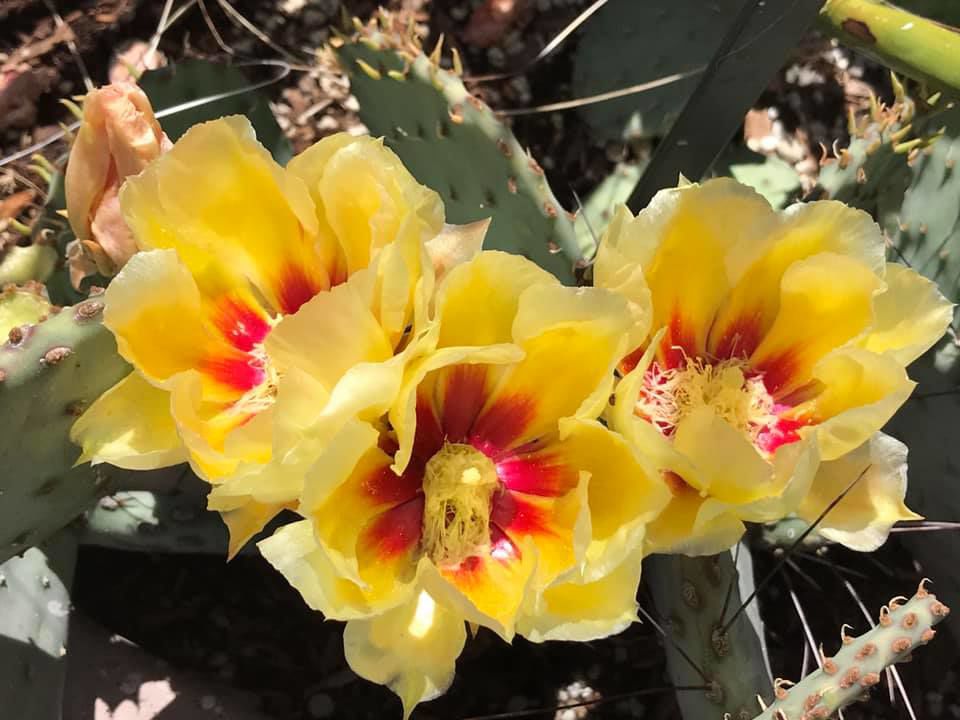
Another prickly pear’s bloom has a splash of red.

Doug Kreutz/Arizona Daily Star

Cactus blooms

Cactus blooms
Jeanandchris Niccum

Prickly pear

Prickly pear

A small prickly pear cactus in colorful bloom.

Doug Kreutz/Arizona Daily Star

Brilliant bloom

Brilliant bloom

Saguaros are blooming brilliantly in parts of the Tucson Valley. -- Credit: Doug Kreutz/Arizona Daily Stars

Doug Kreutz/Arizona Daily Stars

Prickly pear cactus
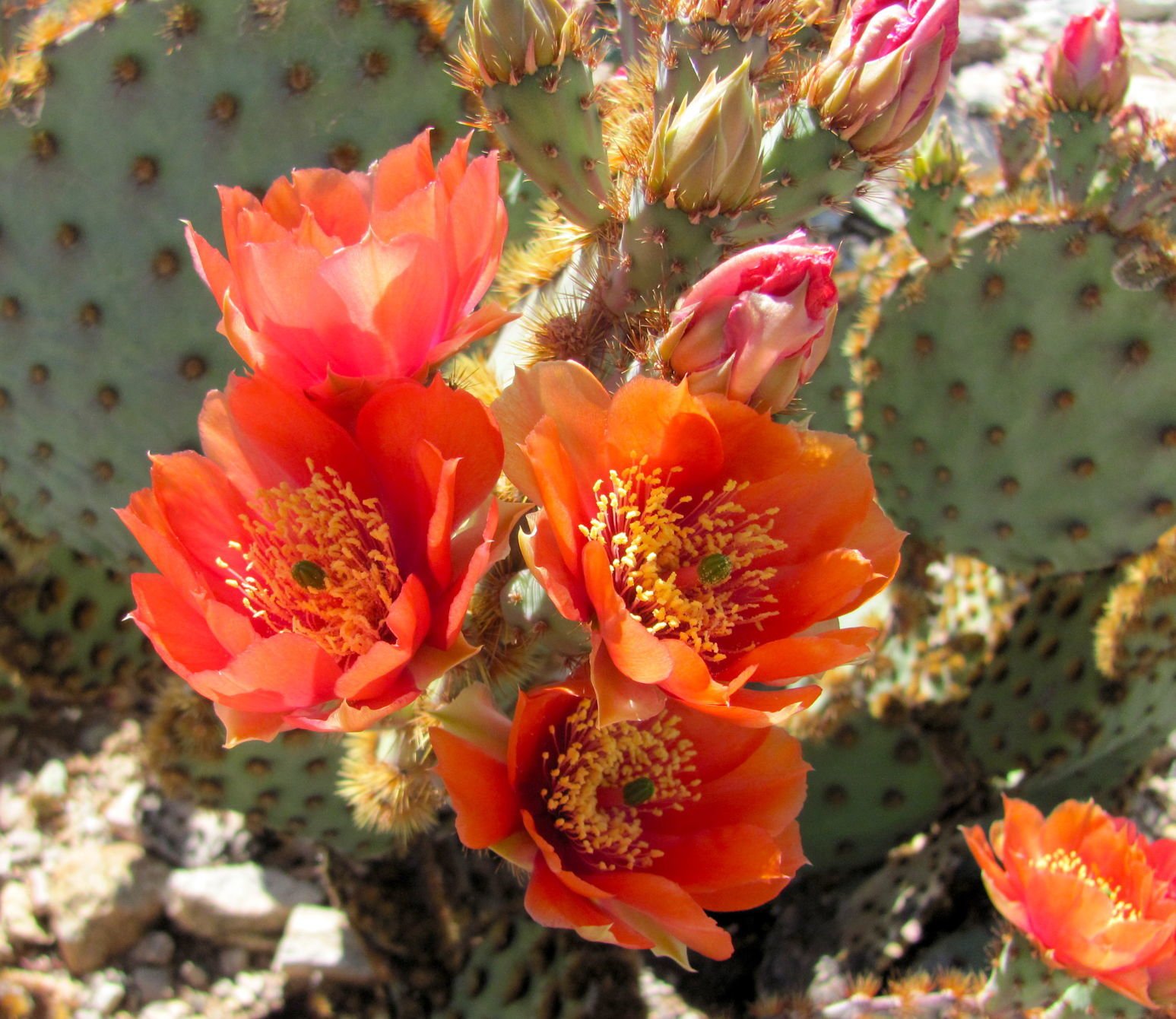
Prickly pear cactus

A prickly pear cactus in brilliant bloom.

Doug Kreutz / Arizona Daily Star

Prickly pear cactus

Prickly pear cactus

Yellow prickly pear blooms and hikers in Tucson Mountain Park.

Doug Kreutz / Arizona Daily Star

Saguaro and ocotillo

Saguaro and ocotillo

A blooming saguaro with an ocotillo in bloom nearby.

Doug Kreutz / Arizona Daily Star

Hedgehog cactus

Hedgehog cactus

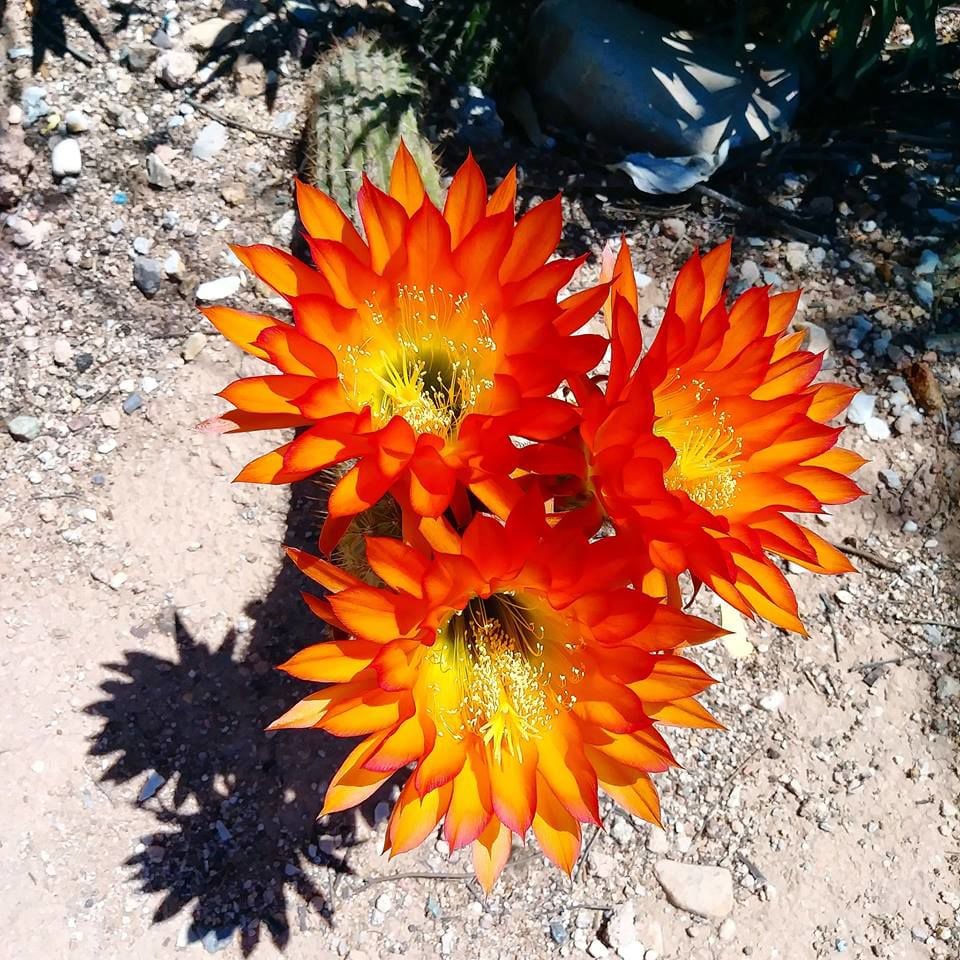
A hedgehog cactus shows off its bright blooms. 

Doug Kreutz / Arizona Daily Star

Cholla cactus

Cholla cactus

A cholla cactus with yellow blooms.

Doug Kreutz / Arizona Daily Star

Cholla cactus

Cholla cactus

A cholla cactus with red blooms. 

Doug Kreutz / Arizona Daily Star

Prickly pear

Prickly pear

A prickly pear cactus with red blooms in the desert west of Tucson. 

Doug Kreutz / Arizona Daily Star

Bees and blooms

Bees and blooms

Bees visit the blooms of a saguaro cactus.

Doug Kreutz / Arizona Daily Star

Yellow prickly pear flowers

Yellow prickly pear flowers

Yellow flowers of prickly pears add color and beauty to Tucson Mountain Park west of the city.

Doug Kreutz / Arizona Daily Star

07 VAM outside birding trail

07 VAM outside birding trail

Red cactus blooms decorate the Birding Trail.

Prickly pear cactus

Prickly pear cactus

Blooms and buds of flowers to come on a prickly pear cactus.

Doug Kreutz / Arizona Daily Star

Cactus blooming

Cactus blooming

Saguaros will be blooming this month at Saguaro National Park . -- Credit: Doug Kreutz / Arizona Daily Star

Doug Kreutz / Arizona Daily Star

Bonanza of blooms

Bonanza of blooms

This cactus in the Catalina Foothills is in a blooming mood — and it’s just getting started. Still more buds than blooms. 

Doug Kreutz / Arizona Daily Star

Sabino Canyon saguaro

Sabino Canyon saguaro

A blooming saguaro in Sabino Canyon with more buds waiting to open.

Doug Kreutz / Arizona Daily Star

Multiple blooms

Multiple blooms

A saguaro with multiple blooms in Sabino Canyon. 

Doug Kreutz / Arizona Daily Star

Cactus Flower

Cactus Flower

Tucson Arizona

By frank worth

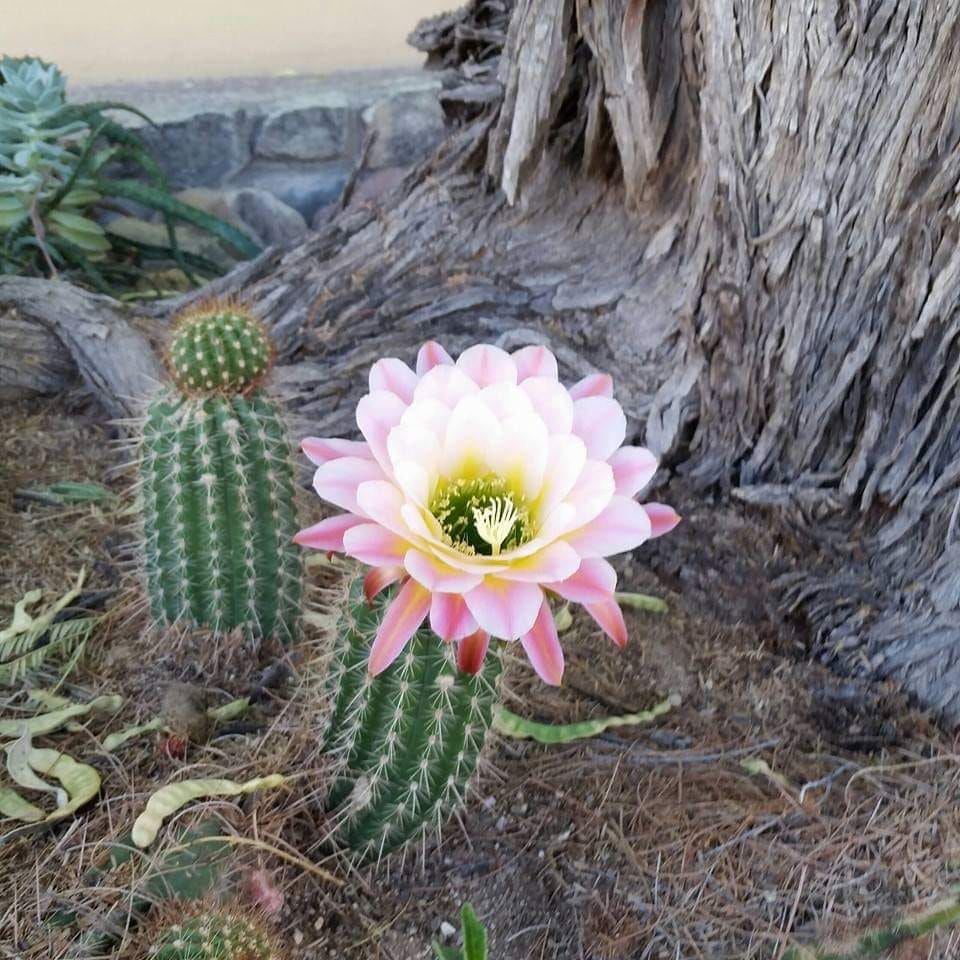
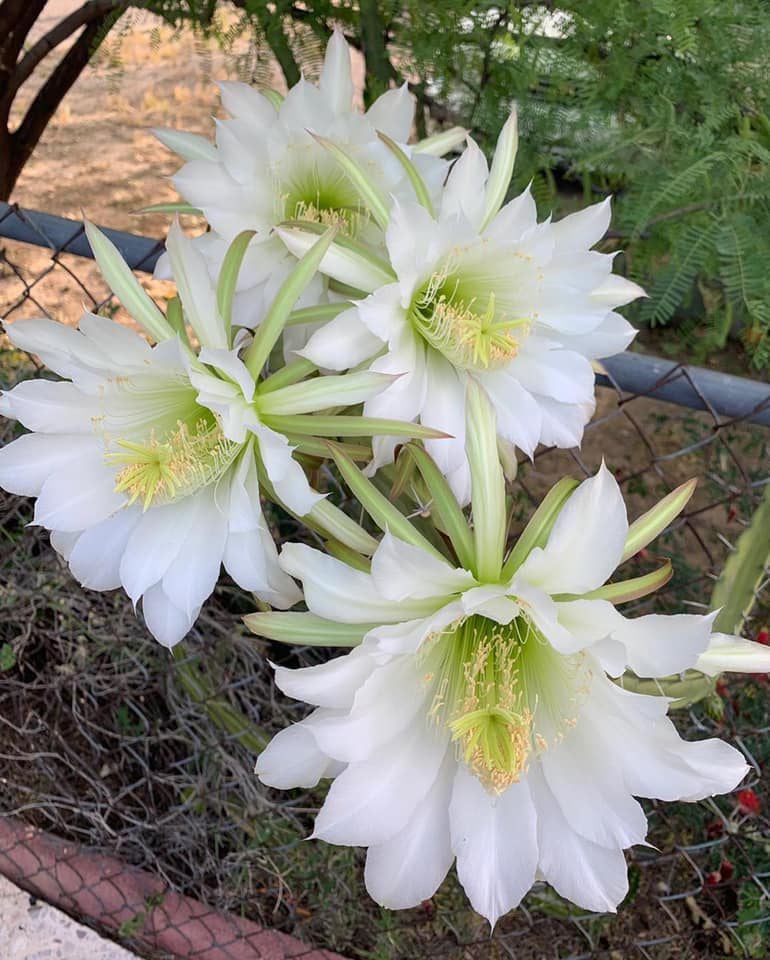
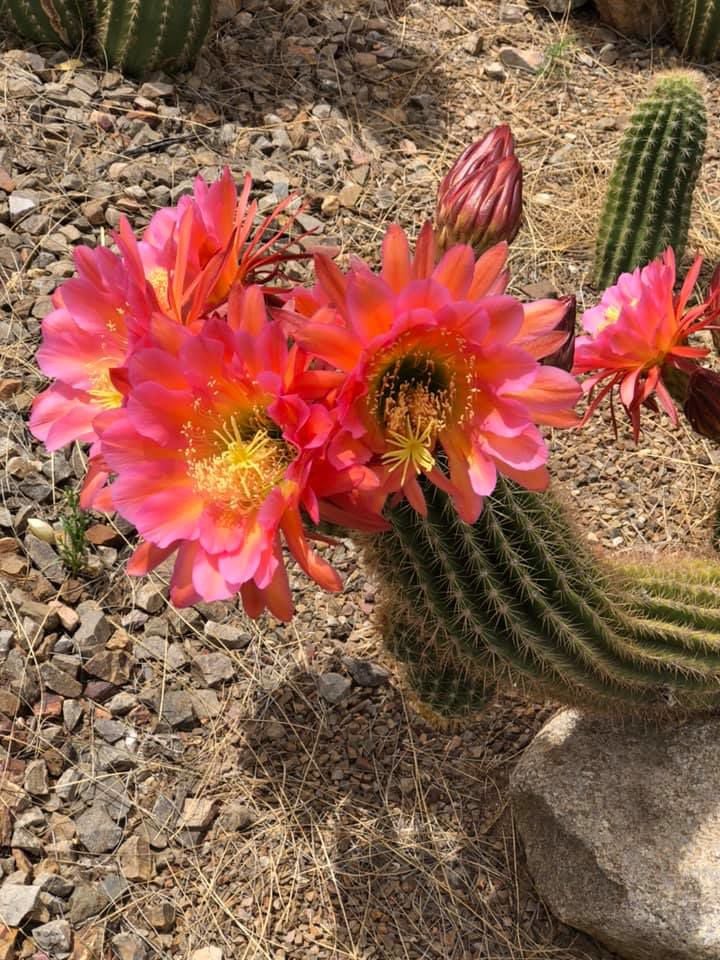
Trichocereus cactus in bloom

Trichocereus cactus in bloom

Trichocereus cactus in bloom

By jamie r

Cardon in bloom

Cardon in bloom

Cardon in bloom on 3rd Street bike path

By Mary Black

Barrel Cactus in Bloom

Barrel Cactus in Bloom

Late bloom on a barrel cactus

By Keith Johnston

Foothills flowering cactus

Foothills flowering cactus

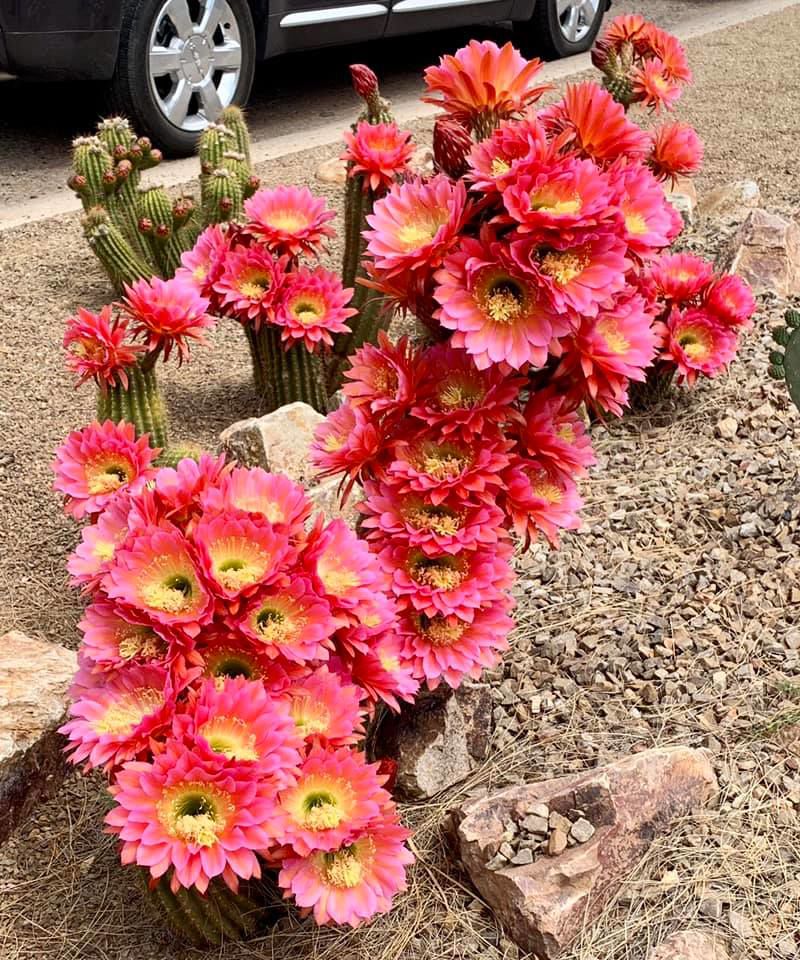
Cactus wreathed in pink blooms

By Kerry Gilbraith

Pima County judge under investigation for firing 'warning shot' at unarmed stalking suspect

Editor's note: This story has been updated.

A judge has been placed on leave and authorities are investigating a criminal case that could test the limits on when it’s legal to fire a gun in Arizona.

Justice of the Peace Adam Watters, 59, was placed on paid administrative leave last month and is under investigation for firing what he called a “warning shot” — one that landed inches from an unarmed man on a recent Sunday afternoon outside Watters’ home in the Foothills.

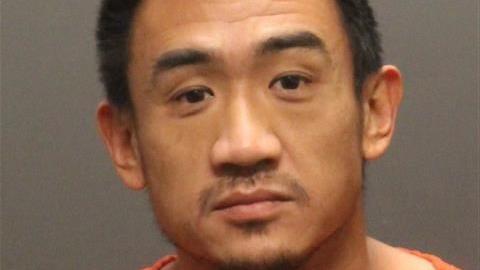
The man, Fei Qin, 38, of Tucson, later was arrested on suspicion of felony stalking for allegedly driving by Watters’ house repeatedly and leaving litter is his yard, public records show.

Qin, a Tucson landlord, recently had an eviction case handled by Watters in Pima County Justice Court. Some of the trash left in Watters’ yard contained mail addressed to the tenants Qin had hoped to evict, detectives said.

Watters, who usually handled domestic violence cases, said he’d only recently started doing some evictions work as well.

Around the same time the littering started, the tires on Watters’ pickup truck were slashed in two separate incidents, but so far no one has been charged for those offenses, court records show.

Deputies who searched Qin’s vehicle after the shooting found a butcher knife in a pocket behind the passenger seat, but the sheriff’s report did not establish that the knife was the same one used to slash the judge’s tires.

The report said Qin was not armed when Watters fired a round that struck the ground “directly next to” Qin.

Qin told detectives Watters forced him out of his vehicle at gunpoint, threatened to “blow his head off,” and ordered him to lie on the ground.

Watters, in his interview with detectives, acknowledged “that he did make mention of shooting (Qin) or blowing off his head” and that he’d tried to order Qin to the ground, but denied forcing Qin from his vehicle.

A cellphone the judge used to record some of the moments prior to the shooting went missing soon afterward, the sheriff’s report said.

Pima County Sheriff Chris Nanos would not comment on the case.

“It is premature for us to make a statement” because the investigation is ongoing, Nanos said in an email to the Arizona Daily Star.

The Star recently obtained the sheriff’s report through a public-records request.

When is it legal to shoot?

Watch as this bizarre cat climbs all over an unsuspecting cafe patron in a relentless pursuit of a blueberry muffin. At the Catnap Cafe in Christchurch, New Zealand, customers can purchase a cup of coffee or a delicious pastry and then go cozy up with a feline friend. But baristas at the cafe warn patrons to be careful if they order a blueberry muffin because one of their cats, named Yuzu, will do anything to get his paws on the delicious baked item. This video was shot in January of 2021.

Arizona has a number of laws that spell out when it is and isn’t legal to use a deadly weapon against someone else. Penalties for violators can be substantial.

For example:

• A felony charge of aggravated assault with a deadly weapon can apply when someone “intentionally, knowingly, and recklessly” uses a weapon to cause another person “fear of immediate physical harm.” Conviction carries a mandatory minimum five-year prison sentence.

• A felony charge of disorderly conduct with a weapon can apply when someone uses a firearm to “disturb the peace and quiet of a neighborhood, family or person.” Sentences can range from probation to two years in prison.

Exceptions can apply in certain circumstances.

The law says use of deadly force is legally justified “to the degree a reasonable person would believe that deadly physical force is immediately necessary to protect himself against the other’s use or attempted use of unlawful deadly force.”

Whether Watters actions were justified has yet to be determined,

A felony conviction could end the judge’s career as well as his ability to legally possess a gun, but Watters’ attorney, Mike Storie, said he doubts criminal charges will be filed against his client.

Storie said prosecutors responsible for making the decision will weigh “the totality of the circumstances” — and in his view, the circumstances are in the judge’s favor.

“The analysis will have to take into account what was in Judge Watters’ mind at the time he fired his weapon,” he said.

“What would you do?”

On Feb. 14, the day of the incident, Watters’ street was already on a list of places deputies were patrolling more often because of vandalism reports from the judge’s house over a nine-day period.

By that time, Watters had had his tires slashed twice. Trash such as junk mail, burrito wrappers, salsa containers and takeout coffee cups had been left in his yard several times.

Watters told detectives two suspicious vehicles had recently been seen on his street: one a white BMW, the other a gray Subaru SUV.

A neighbor who saw the Subaru nearby during one of the littering incidents took a photo of the license plate and a few days later, the same Subaru drove by again, the sheriff’s report said.

Watters could have called 911 and gone inside his house to wait for law enforcement, Storie acknowledged in an interview.

Instead, the judge and one of his daughters chose that day to sit outside with guns on lawn chairs hidden by landscaping, cellphones poised in hopes of getting a photo of the SUV driver.

Watters was not intending to shoot the driver, Storie said. He just wanted to be prepared in case of trouble.

By then the judge was frightened and frustrated because the vandalism had persisted despite multiple calls to law enforcement, Storie said.

“Put yourself in this guy’s shoes. What would you do? He’s afraid for his wife. He’s been harassed for days. He’s called police four times and the problem isn’t getting any better,” he said.

Watters told detectives he and Qin were a few feet away from each other just before the shot was fired.

He said Qin had left his vehicle and was standing nearby staring. The distance between them was about 3 feet according to Watters and about 5 feet according to Qin, the sheriff’s report said.

Watters said he pulled the trigger after Qin took a single step forward. He said he feared Qin might be armed even though he had not produced a weapon that day.

Cellphone missing

Watters was filming on his cellphone camera when the Subaru stopped near him at the end of his driveway

That raised the possibility the phone contained proof of what happened just before the shooting, but detectives did not take the phone into custody to be examined by a forensic expert.

Investigators faced a roadblock at first because Watters’ cellphone had disappeared by the time deputies arrived “within seconds” of the shooting, the sheriff’s report said.

The judge said his sister had stopped by briefly and must have taken his phone by mistake because their phones looked identical.

Someone — it isn’t clear who in the public records released to date — decided to let the judge’s sister keep the phone overnight instead of retrieving it from her that day.

The next day, Watters brought the phone with him to his lawyer’s office for an interview with detectives. But the only footage they found on it ended before the encounter.

The judge told investigators “he was unsure how or why” the camera had turned off and assured them the phone’s contents had not been altered since the incident.

Instead of having an expert check whether anything was removed surreptitiously, the detectives looked at a folder for recently deleted files, saw nothing suspicious, then handed the phone back to Watters, records show.

Tucson attorney Jeff Grynkewich, who represents Qin on the stalking charge, filed court paperwork last week asking the prosecution to make Watters’ phone available for forensic testing by the defense.

“A forensic audit of this phone is necessary as the only steps taken by officers solely consisted of making sure no files were within the ‘deleted files,’” Grynkewich wrote in his March 3 request filed at Pima County Superior Court.

One of the detectives later acknowledged at a preliminary hearing that “files could have been further removed from the deleted files folder,” during the time the phone was missing, Grynkewich said in his written request to the court.

He said Qin will plead not guilty to the stalking charge.

“My client has a right to be presumed innocent and he is asserting his innocence,” the defense attorney said in an interview.

Prosecutor resigns

While the incident took place in Pima County, it is not being handled by the Pima County Attorney’s Office, which typically prosecutes such cases.

The Watters case isn’t typical due to the involvement of the judge’s daughter, a prosecutor with the Pima County Attorney’s Office since late 2018.

Caitlin Watters, who brought a loaded shotgun to the scene but did not use it, was interviewed as a witness in the case. Two days later she submitted a letter of resignation from her prosecutor’s job, but a libel lawsuit she filed against the Star in January 2022 says she already had been offered a new job when the incident occurred.

Because of the Caitlin Watters connection, Pima County Attorney Laura Conover referred the case to the Arizona Attorney General’s Office to avoid a conflict of interest.

The attorney general has since forwarded the matter to prosecutors in two neighboring counties, Conover said in an email.

The Cochise County Attorney has taken over Qin’s stalking case. The Pinal County Attorney’s Office is conducting a “review of Judge Watters’ use of a firearm” that will determine if the judge should face charges, she said.

Watters, a Republican, was first appointed to his post in early 2008 to replace a retiring justice, but lost the seat when he had to run for election later that year.

He was elected to his first four-year term in 2014 and reelected in 2018 to a second term that expires at the end of 2022.

Pima County sheriff illegally withholding public records, experts say

Pima County Sheriff Chris Nanos illegally withheld public information four times during his first five months on the job, several experts in Arizona’s public-records law say.

Nanos, who has publicly pledged his commitment to openness and transparency, is refusing to comment on the experts’ unanimous opinions that the sheriff ignored decades of Arizona Supreme Court rulings to repeatedly block the release of public records to the Arizona Daily Star.

The denied records include a video in which a judge threatened to blow a man’s head off moments before firing a gun and a case in which Nanos initially withheld that a 19-year-old man was unarmed when a deputy shot and killed him early this year.

“The sheriff is breaking the law,” said David Cullier, one of four experts who reviewed Nanos’ public-records decisions at the Star’s request. Between them, the experts have more than a century of experience litigating, lecturing or testifying in government hearings on public access to information.

Nanos did not reply to repeated requests for comment for this story. The Star sent him detailed email requests on May 18 and June 2 and copied them to four other members of his public records and public information staff, none of whom responded.

Cullier said Nanos’ records decisions show “a clear pattern of obstruction.

“These are not gray areas where the law is unclear,” he said. “These cases are black and white for anyone who knows how to read.”

Cullier, an associate journalism professor at the University of Arizona, has researched public-access laws at the the state and federal levels for two decades. He’s a member of a federal advisory committee on access to information and is president of the National Freedom of Information Coalition.

Media law attorney David Bodney of the Phoenix law firm Ballard Spahr said “it is difficult to fathom any legitimate basis” for Nanos’ public-records decisions.

Whoever authored the decisions “shows little recognition of the law and the sheriff’s duty to comply with it,” said Bodney, who has decades of experience teaching media law at Arizona State University and is slated to teach a course at the University of Arizona this fall.

‘Unacceptable,’ says Huckelberry

It’s unclear if Nanos sought or followed legal advice before deciding to withhold information. He won’t say, and neither will the Pima County Attorney’s Office, which is responsible for advising the sheriff on public-records matters but would not comment for this story, citing attorney-client privilege.

The Star shared the experts’ findings with Pima County Administrator Chuck Huckelberry, who oversees the budgets of all county-funded departments including the Sheriff’s Department and the county attorney. He said he intends to look into the situation, which he called “unacceptable.”

Huckelberry said transparency is a high priority for his elected bosses, the county Board of Supervisors. “My guess is the board will not be pleased when they hear about this,” he said.

Mishandling of public-records requests can create unnecessary costs for taxpayers. If a public record is wrongly withheld and a requestor is forced to sue to obtain it, the offending government agency typically must pay the requestor’s legal bills.

Nanos, a Democrat, won the sheriff’s job by about 3,500 votes in the 2020 election, defeating former Republican Sheriff Mark Napier, who held the job from 2017 to 2020 without any notable public-records problems.

Nanos took over on Jan. 1, and problems arose almost immediately.

Key shooting detail withheld

On Jan. 20, one of Nanos’ deputies shot and killed a 19-year-old man while responding to reports of a suspect trying to break into vehicles northwest of Tucson. Experts said Nanos misused the public-records law by concealing a key shooting detail for weeks.

The sheriff should have revealed immediately that the man was unarmed, they said. Instead Nanos told the Star to file a public-records request for that detail, wrongly claiming he did not have to reveal if the man was armed because the incident was still under investigation.

It took two weeks for Nanos to publicly disclose that the man shot dead did not have a gun in his hand, but rather, a key fob mistaken for a gun by the deputy who fired on him. The deputy, whose name the sheriff withheld for 12 days, later was cleared of criminal wrongdoing by Pima County Attorney Laura Conover.

Attorney Gregg Leslie, executive director of the First Amendment Clinic at Arizona State University’s law school, said state law does not allow the sheriff to withhold basic facts about a fatal law enforcement encounter simply because an investigation is ongoing.

“Things like details about a shooting should be released to the public immediately and should not be tied to public-records requests,” said Leslie, formerly the longtime legal director of the Reporters Committee for Freedom of the Press.

“Many police agencies seem to believe that any time there is an ongoing investigation, they don’t have to release anything about the case. But that has never been the law in Arizona.”

In mid-May, Nanos released an outline of changes he said he is making within the department that he said are designed to improve transparency and public trust. One of those steps, he said, is the creation of a regional critical incident review team made up of outside law enforcement agencies that will “handle” cases where someone dies while in the custody of the department, including fatal shootings by deputies.

Video wrongly concealed

Justice of the Peace Adam Watters has been under investigation since February in a shooting case that raised questions about the competence of sheriff’s investigators.

Detectives allowed Watters’ sister to keep, overnight, a cellphone he used to record part of the incident. The next day they asked Watters for a copy of the video but did not seize the phone for a forensic examination to see if anything was deleted surreptitiously.

In March, a Tucson TV station aired the judge’s cellphone video without specifying how it was obtained. It shows Watters repeatedly screaming “I’ll blow your (expletive) head off,” to an unarmed man he suspected of stalking him, moments before Watters fired a shot that landed inches from the man’s feet.

The question of whether Watters should be charged with a firearms offense has been under review for weeks by the Pinal County Attorney’s Office. The status of the effort is unclear because Pinal officials did not respond Friday to a request for an update.

Experts said Nanos violated the law twice when the Star filed a public-records request to examine the video.

First, he denied the request without providing a reason, which is contrary to law. Second, when pressed, Nanos gave a reason that has no basis in law, claiming the video was not a public record because it wasn’t created by sheriff’s officials — a claim Phoenix media attorney Dan Barr called “ludicrous.”

A public record is any record “made or received” by a public agency in connection with agency business, said Barr, of the law firm Perkins Coie, who has represented numerous news organizations, including the Star, in public-records lawsuits and is a legal adviser to the First Amendment Coalition of Arizona.

Cullier, of the UA, called the sheriff’s rationale for withholding the video “the dumbest reason I ever heard.”

E-records denied

It’s been 12 years since Arizona’s Supreme Court ruled that computerized public records must be provided for inspection in their original form upon request, a condition most government agencies routinely comply with by providing such records as email attachments.

But Nanos refuses to do so. Instead, he makes paper printouts of electronic records and requires requestors — in the midst of a pandemic — to come to sheriff’s headquarters to view them in person.

“It’s been years since I’ve heard a government agency claim that even though a record exists in electronic form, they’ll only release it in paper form,” said Leslie of ASU. “This battle was won by openness advocates years ago.”

Cullier said the situation creates the appearance the sheriff is hiding something.

“When I see agencies playing games like this, it’s usually a sign that something worse is going on that needs to be exposed,” he said

“This kind of behavior leads to a loss of trust, and that’s not good for anybody,” Cullier said.

“I really hope the sheriff will reconsider and do the right thing.”

Homes that take in troubled kids from Tucson face state shutdown, federal tax woes

A charity that runs homes for troubled children from Tucson and beyond is fighting a state effort to shut them down for having the worst health and safety record in Arizona for such facilities, public records show.

Mary’s Mission, which operates two homes for 11- to 17-year-olds about 100 miles southeast of Tucson, has been cited 64 times since 2019 for deficiencies including chronic overcrowding, lack of nutritious food, faulty dosing of prescription medications and failure to demonstrate that children were receiving mental health care, records show.

Most of the home’s residents come from abusive or unstable backgrounds and have emotional scars that impair their ability to function. Their treatment is covered largely by taxpayers through the state Medicaid program, which contracts with private health insurers to provide care or pays facilities directly at a fee-for-service rate of $255 a day per child.

The Mary’s Mission homes in Cochise County — one for boys in Sierra Vista, one for girls in Hereford, a smaller community nearby — together have racked up more than $18,000 in fines in three years, more than any of the other 150 or so licensed, live-in facilities for children with behavioral health problem. The Arizona Daily Star searched all their histories to establish which had the worst track record.

The fines imposed on Mary’s Mission by the Arizona Department of Health Services, which licenses and inspects care facilities, did not lead to improvements, state records show. Rather, things got worse.

Problems started coming to a head in April when a Mary’s Mission employee blocked the entrance to the girls’ home for nearly half an hour to keep health inspectors out — defying a state requirement that inspectors must have access on demand. The inspections that happened later that day found dozens of violations at each of the homes, more than at any other time in the last three years, records show.

At this point, the two homes pose “a direct risk to the life, health and safety” of the children living there, state officials said, The department notified Mary’s Mission CEO William Lacey in June that it intends to revoke the licenses of both facilities. Mary’s Mission has the right to object, and has done so, officials said.

Lacey has asked the state Office of Administrative Hearings to review the case before the health department takes further action, said Steve Elliott, a health department spokesman. The hearing is pending, he said.

Lacey, 57, a retired Army officer, could not be reached for comment for this story despite five attempts made over a three-day period last week.

He did not reply to two voicemails left at Mary’s Mission’s headquarters, to two emails with detailed questions copied to Chris Russell, the Sierra Vista attorney advising him in the state licensing dispute, or to a phone message left with a receptionist at Russell’s law office.

In a recent presentation to Cochise County’s Board of Supervisors posted on the county’s YouTube channel, Lacey did not mention the state’s bid to shut down the two homes. Instead, he handed out promotional pamphlets, listed the charity’s achievements and told the board he is “trying to expand services.

“I know this stuff like the back of my hand,” he said.

“It broke my heart”

Alexis Valenzuela of South Tucson was 17 when she spent six months at Mary’s Mission four years ago and describes it as “the worst experience of my life.”

Valenzuela said her grandparents raised her because her mom was a substance abuser. She said she was diagnosed with depression and anxiety disorder and ended up at Mary’s Mission after her grandparents died.

These days, she said, her life has taken a turn for the better. Now 21, Valenzuela has a 7-month-old daughter, is engaged to the baby’s father and studies at Pima Community College hoping to make a career of helping troubled girls.

Valenzuela said she ended up running away from the girls’ home and later sought counseling on her own after turning 18.

Alexis Valenzuela

Alexis Valenzuela is now 21 and holds daughter Leila, 7 months. Alexis was 17 when she spent six months at Mary's Mission and describes it as "the worst experience of my life."

Courtesy of Alexis Valenzuela

Her memories of Mary’s Mission include taking cold showers and eating “disgusting” food. Group therapy was non-existent and individual therapy only happened about once a month, she said. When staffers forgot to dispense her bedtime dose of Xanax, they’d double up and give her two the next morning, which made her so high she couldn’t concentrate at school, she said.

Former employee Krystina Bosanko said hot water ran out every morning due to extreme overcrowding at the 888-square-foot girls’ home. Though licensed for eight, it often housed 12 to 16 girls, a feat achieved by cramming three or four bunk beds into each of its two tiny bedrooms. State inspectors have cited Mary’s Mission repeatedly for having too many residents at both of its facilities, with the boys home housing up to 24 at a time — 50% more than the 16 its state license allows.

Bosanko, 36, who worked at the girls home for 18 months in 2017 and 2018, said Mary’s Mission had a well-rehearsed routine to trick state inspectors into thinking the homes were not above capacity. Residents and staffers were put to work to break down and hide the extra cots and bunk beds, she said.

The children who shouldn’t be there then were loaded into vehicles and taken on long drives to keep them out of sight until inspectors left, she said. State inspection reports make repeated mentions of beds being moved out just as inspectors arrived on scene.

In 2019, Mary’s Mission reached a confidential out-of-court settlement in a $5 million lawsuit that blamed overcrowding and poor supervision for the sexual assault of 15-year-old resident of the boys’ home. The attacker, an 18-year-old male resident later sentenced to several years in prison, shouldn’t have been there since the home wasn’t licensed for adults, records show.

The victim and his mother, who filed the suit, were from New Mexico. Bosanko said that’s one of several states that sent children to Mary’s Mission including Idaho, Montana, North Dakota and South Dakota.

Though the two homes are licensed for a total 24 residents, Mary’s Mission’s nonprofit tax returns say the charity “provides a safe environment for 42 at-risk boys and girls.”

In another repeat violation, the homes were cited for ignoring a rule aimed at ensuring children had nutritious food. Menus were supposed to be approved by a licensed dietician, but that didn’t happen, Bosanko said.

Valenzuela recalls endless offerings of “dollar-store food” such as frozen burritos or mini pizzas or boiled macaroni and sauce, with no fresh fruits or vegetables. Bosanko said she and a co-worker felt sorry for the girls and sometimes bought meat and produce at their own expense to make them a decent dinner.

Krystina Bosanko

Krystina Bosanko, 36, worked at the Mary’s Mission girls’ home from about mid-2017 to end of 2018. She says hot water ran out every morning due to extreme overcrowding at the 888-square-foot girls' home.

Courtesy of Krystina Bosanko

“It broke my heart,” said Bosanko, who wept during a phone interview when a reporter mentioned Mary’s Mission listed $1.9 million in revenue on its most recent nonprofit tax return.

“I saw these kids go without basic needs,” she exclaimed through tears. “We had to fight tooth and nail to get them clothes, to get their hair cut, to get them shoes that fit.”

$300,000 in tax liens

A Star review of property records, nonprofit tax returns and corporate registration records raised several red flags about Mary’s Mission’s bookkeeping and finances. An expert said the operator does not seem to be following best practices for nonprofit management.

About $300,000 in federal tax liens are registered against Lacey, the CEO, at the boys home address. The liens, documented at the Cochise County Recorder’s Office, were filed because Mary’s Mission kept the payroll taxes withheld from employees instead remitting the funds to the government, public records show.

The unpaid taxes piled up between 2012 and 2019, the same timeframe in which Lacey took out a $320,000 mortgage on his personal residence and paid it off in less than seven years. The mortgage on his home in Sierra Vista was taken out June 20, 2012, and paid in full on Jan. 3, 2019, property records show.

Mary’s Mission’s tax returns also show Lacey failed to disclose that he and a Mary’s Mission board member registered a for-profit property acquisition company at the boys home address in 2002, a firm that remains active, state corporation records show. Last year, Lacey registered a second, similar for-profit firm at the address of a Mary’s Mission satellite location in Mesa, the records show.

In another irregularity, Mary’s Mission’s tax returns list amounts for “land and buildings” even though the charity does not own land or buildings. The boys’ and girls’ home properties are owned personally by Lacey, not by the nonprofit, property records show.

The Star shared its Mary’s Mission findings with a representative of Charity Navigator, one of several national organizations that rates nonprofits for their effectiveness and adherence best practices.

Spokesman Kevin Scalley said, while he’s not directly familiar with the organization, the findings suggest a need for further investigation.

“It does raise some eyebrows,” he said. “It does cause concern.”

Mary’s Mission’s boys home has been accredited since 2010 by a Tucson-based accreditor, the Commission on Accreditation of Rehabilitation Facilities

The Star tried unsuccessfully to reach commission board chairman Brian Boon of Tucson to explain how a facility with the worst track record in the state is able to remain accredited. A message left with a woman who answered Boon’s home phone was not returned.

An attempt to reach the chief accreditation officer, Tucson attorney Darren Lehrfeld, also was unsuccessful because Lehrfeld was out of the office and not available for an interview.

The three-year inspection history of any state-licensed care facility is available online at azcarecheck.com

Family preparing to sue Pima County sheriff over shooting death of unarmed man

The family of an unarmed man shot to death by a Pima County sheriff’s deputy who mistook the man’s key fob for a gun is contemplating a $35 million lawsuit against the county, public records show.

A lawyer representing the family has served a notice of claim, a precursor to a lawsuit, against Sheriff Chris Nanos and other county officials that alleges authorities used excessive force in pursuing Bradley “Alex” Lewis, who died two weeks after his 19th birthday in a Jan. 20 confrontation north of Tucson. A notice of claim is a precursor to a lawsuit.

“Alex had yet to live any of the most exciting and enjoyable years of adulthood. His family has been robbed of all the years, milestones and memories enjoyed by most families,” said the notice from attorney Eduardo Coronado.

The shooter, Deputy Gilbert Caudillo, a 20-year veteran of law enforcement, was cleared of criminal wrongdoing by the Pima County Attorney’s Office. But a consultant hired by the Lewis family claims the shooting could not have unfolded the way Caudillo described it to investigators.

According to the sheriff’s account of the event, Lewis was pulled over by deputies responding to a report of a man trying to break into vehicles early in the morning. Based on a description of the man’s vehicle, the sheriff said deputies identified Lewis as the suspect and determined he was wanted in another case on suspicion of aggravated assault with a deadly weapon.

The Sheriff Department maintains Lewis rammed a patrol vehicle — no deputies were injured in the encounter — then “charged” at a deputy. Caudillo, in a statement to detectives five days after the incident, said Lewis got out of his vehicle and was “flying” toward Caudillo when the deputy fired.

The Sheriff’s Department does not yet have body-worn cameras for its deputies, so video footage of the incident is not available.

The consultant hired by the Lewis family, who reviewed deputy statements and autopsy reports, said the fatal shot struck Lewis on the side of his body as he was squeezing himself between two vehicles less than a foot apart, which prevented him from moving quickly.

An autopsy report from the Pima County medical examiner said the bullet that killed Lewis pierced his right shoulder, then penetrated his right lung.

Deadly force “was inappropriate and excessive under the circumstances,” said the consultant, William M. Harmening, a former sheriff’s deputy and securities fraud official in Illinois who also taught forensic psychology as an adjunct faculty member at Washington University in St. Louis.

Harmening has testified in numerous lawsuits against law enforcement but in recent years some judges have blocked his testimony, ruling that he lacks real-world experience in police use-of-force situations.

In a 2019 federal court ruling in a wrongful-death lawsuit against a New Mexico sheriff’s deputy, a judge who barred his testimony noted Harmening has been involved only in one homicide investigation in the early 1990s, has never investigated an officer-involved shooting, has only taken a single course in investigative methods and is not trained in crime scene analysis.

Harmening could not be reached for comment. He did not reply by deadline to request for comment made through Coronado, the Lewis family attorney.

A sheriff’s official said the department does not comment on legal matters.

Carol Ann Alaimo

Reporter

Related to this collection

Troubled youth home operator faces state hearing this week

Troubled youth home operator faces state hearing this week

The Arizona Department of Health Services is trying to shut down Mary's Mission homes with dozens of state health and safety violations.

Tucson landlord found guilty of stalking local judge

Tucson landlord found guilty of stalking local judge

A jury took less than three hours to convict Fei Qin, 38. Sentencing is set for Jan. 12.

Pima County jury awards $2.6 million to family in wrongful death case

Pima County jury awards $2.6 million to family in wrongful death case

The jury took less than two hours to find Tucson gastroenterologist Dr. Fadi Deeb at fault in the 2016 death of a woman in his care.

Tucson insurance agent turned Christian counselor gets prison time for fraud

Tucson insurance agent turned Christian counselor gets prison time for fraud

Koreasa "Kory" Williams was sentenced Dec. 20 to 51 months behind bars and three years of supervised released as part of a plea deal in U.S. District Court in Tucson.

Fraud schemes target people of color, feds say

Fraud schemes target people of color, feds say

Black and Latino neighborhoods are disproportionately affected by consumer scams, a recent Federal Trade Commission study found.

Free COVID testing site draws concerns after Tucsonans fail to get results

Free COVID testing site draws concerns after Tucsonans fail to get results

Company official blames problems on technical glitches and lazy employees.

Arizona Daily Star
  • Facebook
  • Twitter
  • Bluesky
  • YouTube
  • Instagram
  • Arizona Daily Star Store
  • This is Tucson
  • Saddlebag Notes
  • Tucson Festival of Books

Sites & Partners

  • E-edition
  • Classifieds
  • Events calendar
  • Careers @ Lee Enterprises
  • Careers @ Gannett
  • Online Features
  • Sponsored Blogs
  • Get Healthy

Services

  • Advertise with us
  • Register
  • Contact us
  • RSS feeds
  • Newsletters
  • Photo reprints
  • Subscriber services
  • Subscription FAQ
  • Licensing
  • Shopping
© Copyright 2026 Arizona Daily Star, PO Box 26887 Tucson, AZ 85726-6887
Terms of Use | Privacy Policy | Advertising Terms of Use | Do Not Sell My Info | Cookie Preferences
Powered by BLOX Content Management System from bloxdigital.com.
  • Notifications
  • Settings
You don't have any notifications.

Get up-to-the-minute news sent straight to your device.

Topics

News Alerts

Breaking News