

It's parent-teacher conference time again in school districts across Tucson.
The Tucson and Marana unified school districts are holding the meetings this week, with others soon following suit.
Here are some suggestions on how to do it right, from a principal, a teacher and a parent.
What a principal says
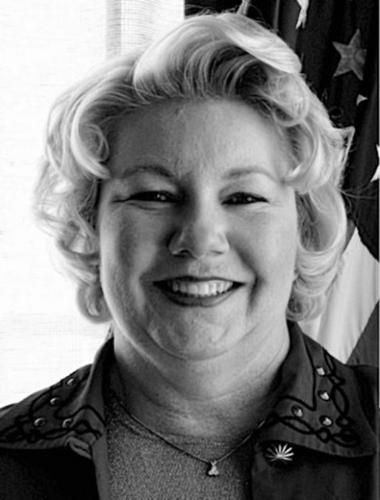
Ochoa Elementary School Principal Heidi Aranda is a big believer in strong home-school relationships.
She focused heavily on effective conferences with her cadre of 13 teachers and, last week, sent home a newsletter to parents to advise them of the steps they can take, too. And at her weekly parent coffee on Tuesday morning, she ran through some tips again with a half dozen mothers.
Some suggestions:
People are also reading…
● Interview your children before conferences. What do they like about the class? Is there anything they particularly dread? Having that information helps show you're engaged in their learning..
● Don't brush off your children's comments, even if they seem trivial. Students may not tell teachers that math quizzes cause frigid fingers to grip their innards, but they may tell parents.
Last year, a parent came to Aranda to say her soft-spoken daughter found her teacher's abrasive tone of voice jarring. Once the teacher found out how the girl felt, she adjusted her approach and the family even agreed to follow the teacher when she moved up to the next grade level.
"Parents need to realize they know their children best, and they need to be their child's voice," Aranda said.
● Ask how you can be a partner in your child's learning or in addressing any behavioral problems.
"Teachers and parents really have the same goal," Aranda said. "They want the student to be successful."
What a parent says
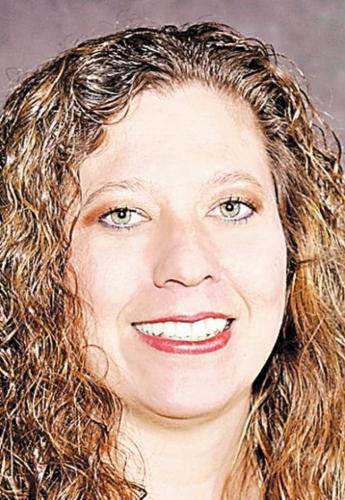
Lori Oien, a 49-year-old community volunteer, has a seventh-grader at Magee Middle School and a freshman at Sabino High School.
A veteran of the conferences, she offers these suggestions:
● Go in prepared. TUSD has a system that allows parents, at the click of a mouse, to see their child's grades and ensure they haven't missed assignments.
"You have to keep on top of their grades and homework because at this point, we're already a month into school," Oien said. "That's getting late to rectify a problem."
● Don't take the negative news too personally.
"We have to be willing to recognize that every child is not a gifted child. As much as we would like to think most of our children really stand out, the reality is that most are flat-out normal," she said.
If a teacher points out an academic shortcoming or a personality trait that's getting in the way of the student's progress, she said, parents should do their best to address it, even as they recognize their child's other strengths.
● Be your child's advocate. In her case, she had a teacher who repeatedly lost her daughter's math assignments. She began making copies of her daughter's work to be sure she received credit. Oien suggests asking other teachers or tutors if they're seeing the same issues or problems.
If you can't work out a point of contention with a teacher, don't be afraid to call the administration in to intercede or copy the principal on e-mail correspondence. "Parents need to do their part, and teachers need to do their part," she said. "If one of them isn't getting the job done, the child is going to suffer."
What a teacher says
Steve Courter heads TUSD's teachers union, taught elementary school for 16 years before that and held hundreds of conferences.
Here's his take on what works:
● Highlight the positive to achieve a common objective. When reporting to a child what they learned at a conference, he suggests parents say, "I understand you're not getting your work in, but I also understand that the work you have completed in class is very good."
He added, "I would encourage parents not to discourage their children but to let them know you're expecting improvements."
● Don't be shy about asking questions.
"A lot of times, parents don't want to ask about how to interpret test data or they feel intimidated about asking for more information," Courter said. And that's too bad. Parents who have asked for clarification or for ideas on how to help often walk away feeling more empowered.
"I've had parents ask how to make math something they could apply in a more practical way to help their children get more practice," he said.
He's suggested pointing out real-world experiences in the store, by asking students to calculate sales prices.
"They really need to feel comfortable about asking questions so that they can get better answers," he said.
● Stay in touch. Contact should be ongoing, he said.