

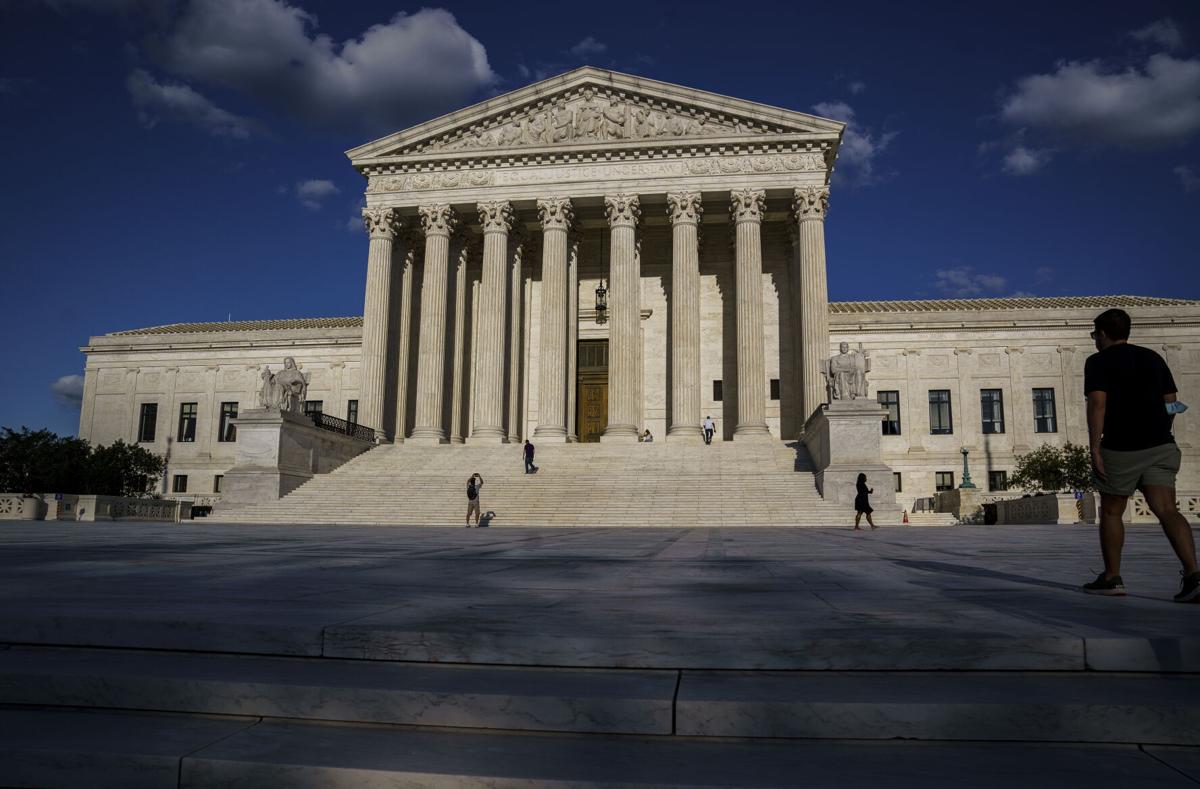
WASHINGTON (AP) — The justices are putting the “court” back in Supreme Court.
The high court announced Wednesday that the justices plan to return to their majestic, marble courtroom for arguments beginning in October, more than a year and a half after the in-person sessions were halted because of the coronavirus pandemic.
The justices had been hearing cases by phone during the pandemic but are currently on their summer break. The court said that oral arguments scheduled for October, November and December will be in the courtroom but that: "Out of concern for the health and safety of the public and Supreme Court employees, the Courtroom sessions will not be open to the public."
People are also reading…
“The Court will continue to closely monitor public health guidance in determining plans,” the announcement said.
The court said that while lawyers will no longer argue by telephone, the public will continue to be able to hear the arguments live. Only the justices, essential court personnel, lawyers in the cases being argued and journalists who cover the court full-time will be allowed in the courtroom.
The court that returns to the bench is significantly different from the one that left it.
When the justices last sat together on the bench at their neoclassical building across the street from the U.S. Capitol on March 9, 2020, Justice Ruth Bader Ginsburg was the court’s most senior liberal and conservatives held a narrow 5-4 majority. But Ginsburg died in September 2020, and her replacement by conservative Amy Coney Barrett in the final days of the Trump administration has given conservatives a significant 6-3 majority.
Because of the pandemic, Barrett has yet to be part of a traditional courtroom argument, with the justices asking questions of lawyers in rapid succession, jockeying for an opening to ask what’s on their minds. The arguments the court heard by telephone were more predictable and polite, with the justices taking turns asking questions, one by one, in order of seniority. That often meant the arguments went longer than their scheduled hour.
It also meant that lawyers and the public heard from the previously reticent Justice Clarence Thomas in every telephone argument. Before the pandemic Thomas routinely went years without speaking during arguments and had said he doesn’t like his colleagues’ practice of rapid-fire questioning that cuts off attorneys. “I don’t see where that advances anything,” he said in 2012.
One change from the remote arguments will stay for now. The justices said they will continue their practice during the pandemic of allowing audio of oral arguments to be broadcast live by the news media. Before the pandemic, the court would only very occasionally allow live audio of arguments in particularly high profile cases. That meant that the only people who heard the arguments live were the small number of people in the courtroom. The court releases a transcript of the arguments on the same day but, before the pandemic, only posted the audio on its website days after.
Like much of the country, the court essentially shut down to the public by mid-March of 2020. The court was closed to visitors and arguments scheduled for that month postponed. April’s arguments also were postponed before the court announced it would hear 10 cases by telephone beginning May 4, 2020.
In the term that began in October 2020, the court heard all of its arguments remotely. During the justices’ absence from the courtroom, they heard a total of 68 arguments by phone. The court announced in early March that all the justices had been vaccinated and they resumed holding their private conferences in person.
The 9 current justices of the US Supreme Court
Chief Justice John Roberts

Chief Justice John Roberts
Nominated to serve as chief justice by President George W. Bush
Took seat Sept. 29, 2005
Born Jan. 27, 1955, in Buffalo, N.Y.
Justice Clarence Thomas

Associate Justice Clarence Thomas
Nominated to serve as associate justice by President George H.W. Bush
Took seat Oct. 23, 1991
Born June 23, 1948, near Savannah, Georgia
Justice Samuel Alito
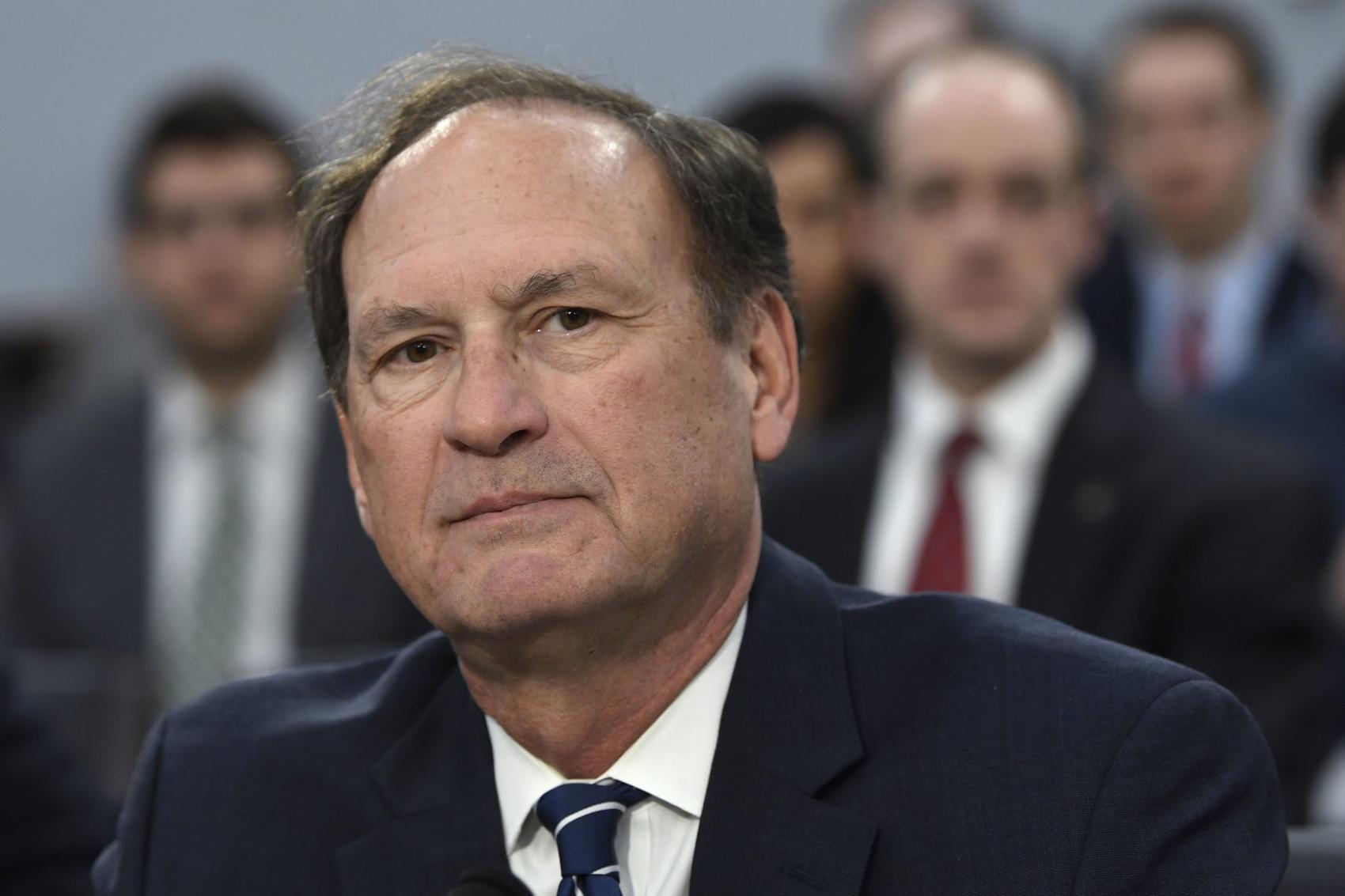
Associate Justice Samuel Alito
Nominated to serve as associate justice by President George W. Bush
Took seat Jan. 31, 2006
Born April 1, 1950, in Trenton, New Jersey
Justice Sonia Sotomayor
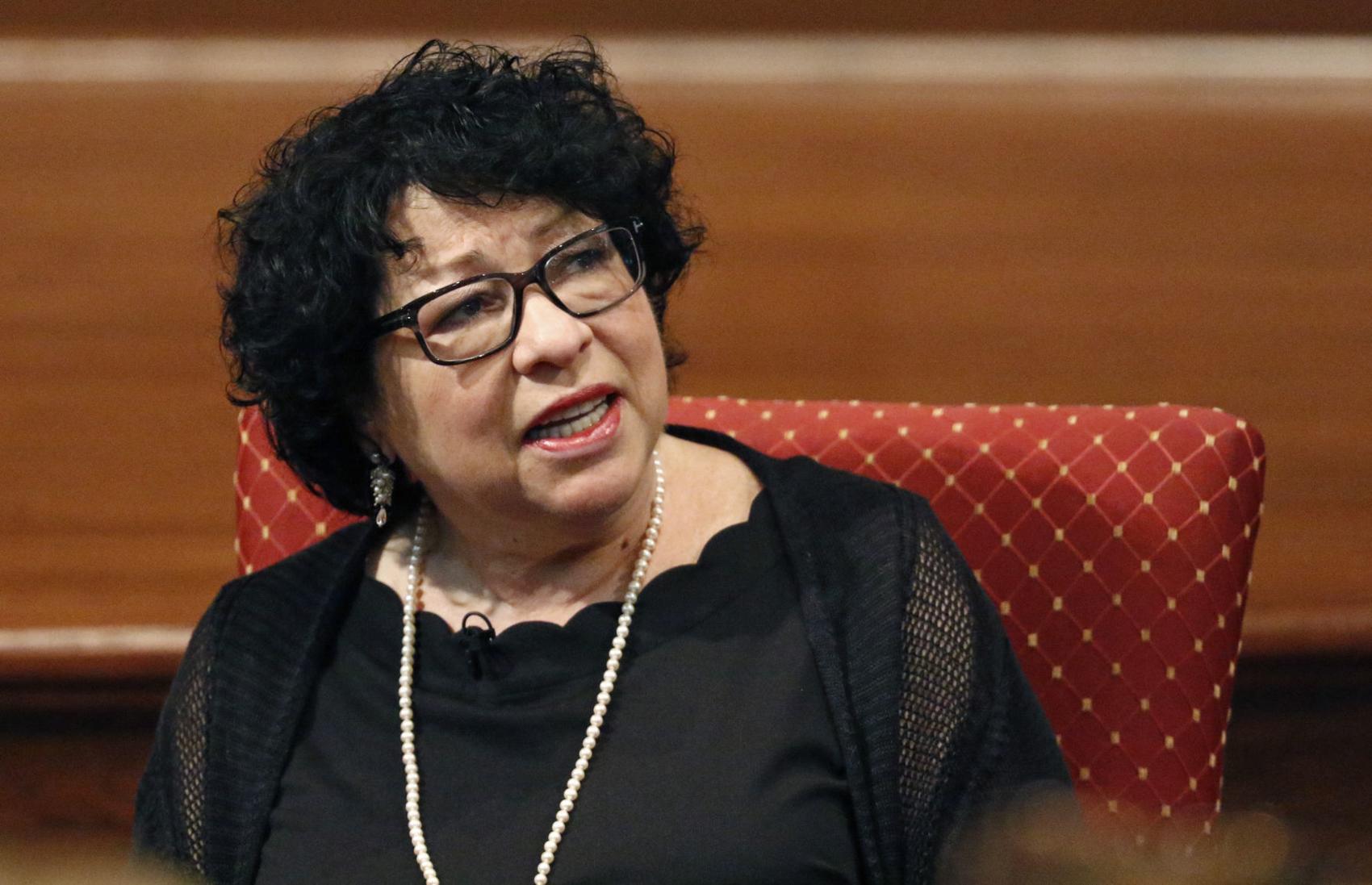
Associate Justice Sonia Sotomayor
Nominated to serve as associate justice by President Barack Obama
Took seat Aug. 8, 2009
Born June 25, 1954, in Bronx, New York
Justice Elena Kagan
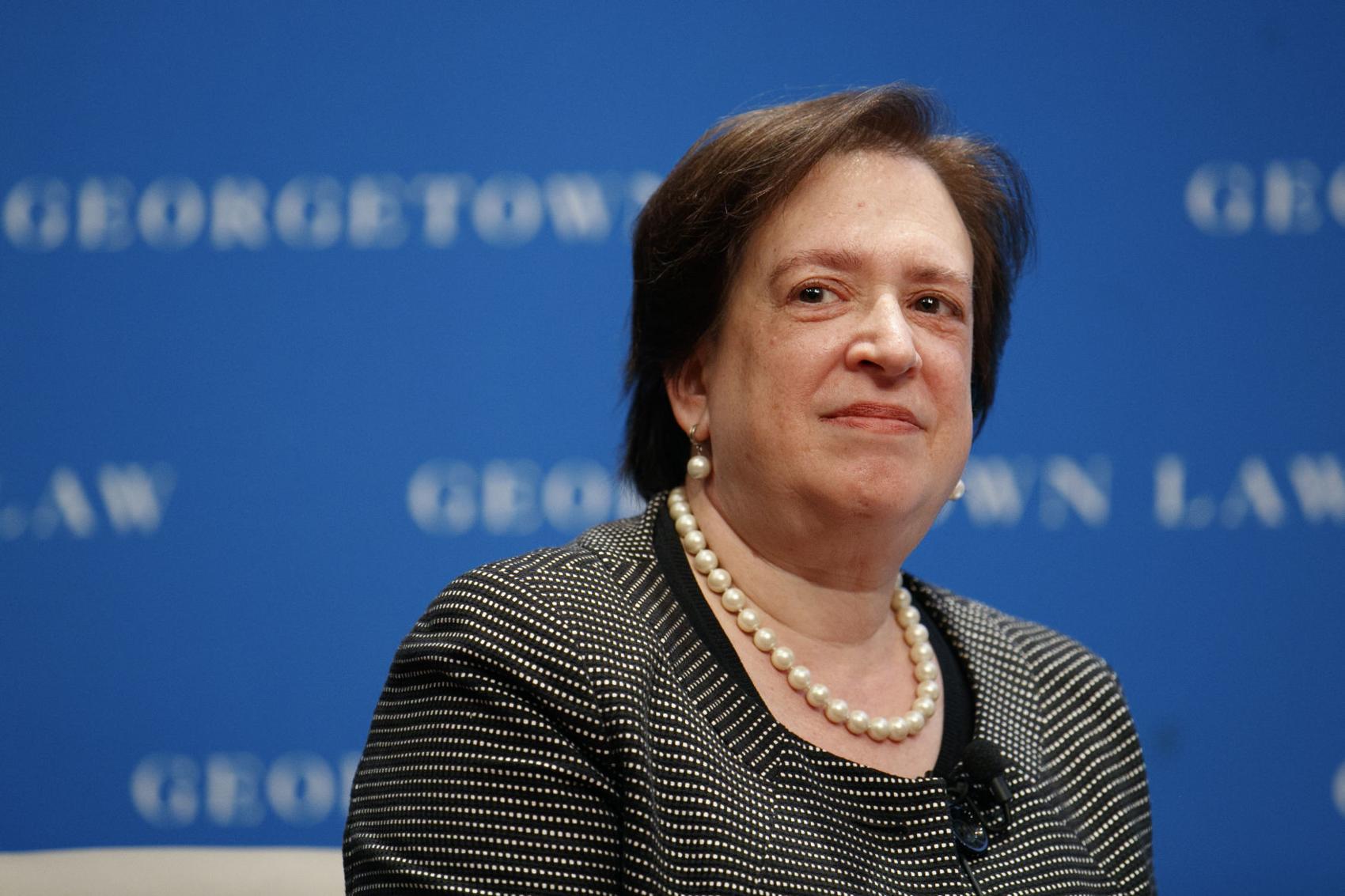
Associate Justice Elena Kagan
Nominated to serve as associate justice by President Barack Obama
Took seat Aug. 7, 2010
Born April 28, 1960, in New York City
Justice Neil Gorsuch

Associate Justice Neil Gorsuch
Nominated to serve as associate justice by President Donald Trump
Took seat April 10, 2017
Born Aug. 29, 1967, in Denver, Colorado
Justice Brett Kavanaugh

Associate Justice Brett Kavanaugh
Nominated to serve as associate justice by President Donald Trump
Took seat Oct. 6, 2018
Born Feb. 12, 1965, in Washington D.C.
Justice Amy Coney Barrett
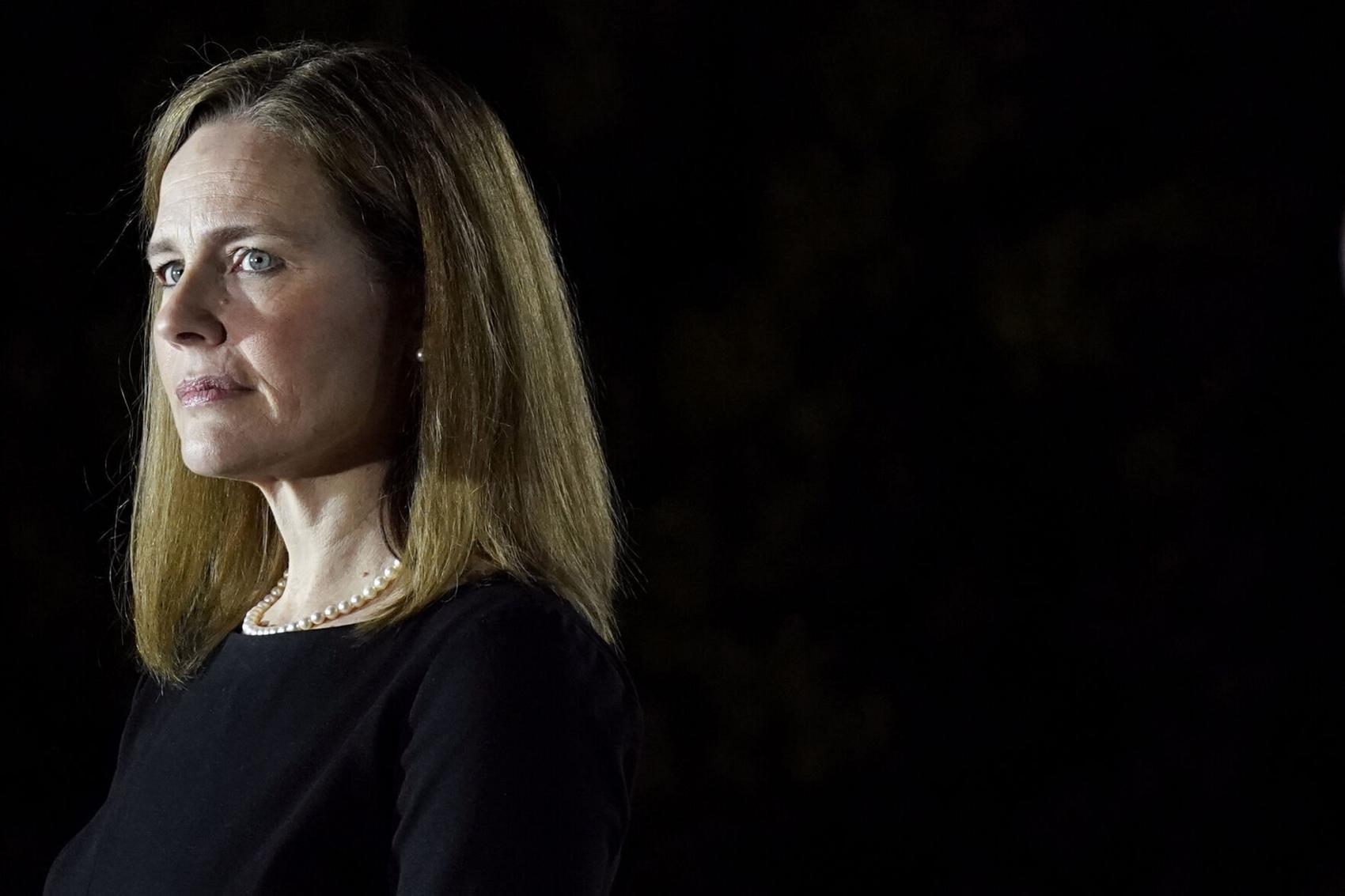
Associate Justice Amy Coney Barrett
Nominated to serve as associate justice by President Donald Trump
Took seat Oct. 27, 2020
Born January 28, 1972
Justice Ketanji Brown Jackson

Associate Justice Ketanji Brown Jackson
Nominated to serve as associate justice by President Joe Biden
Took seat June 30, 2022
Born September 14, 1970


