ATLANTA — Almost as soon as the foreperson of the special grand jury in the Georgia election meddling investigation went public this week, speculation began about whether her unusually candid revelations could jeopardize possible prosecution of former President Donald Trump or others.
Emily Kohrs first spoke out in an interview published Tuesday by The Associated Press, a story that was followed by interviews in other print and television news outlets.
In detailed commentary, she described some of what happened behind the closed doors of the jury room — how witnesses behaved, how prosecutors interacted with them, how some invoked their constitutional right not to answer certain questions.
Lawyers for Trump say the revelations offered by Kohrs shattered the credibility of the entire special grand jury investigation. People hoping to see the former president indicted worried on social media that Kohrs may have tanked a case against the former president.
People are also reading…

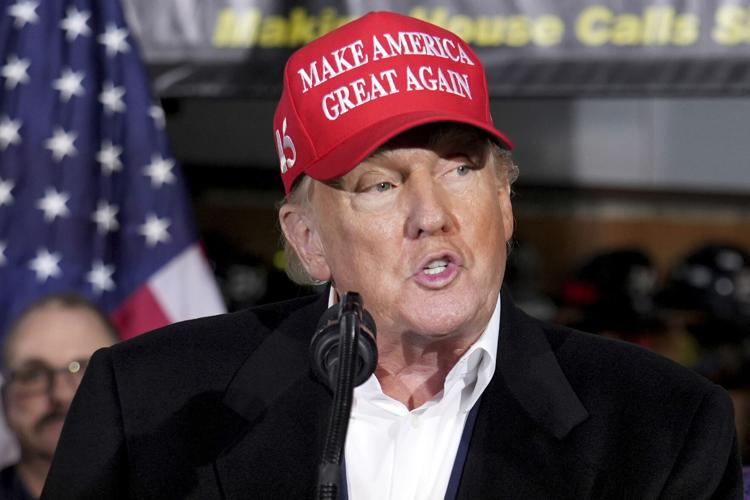
Former President Donald Trump speaks at the East Palestine Fire Department on Wednesday in East Palestine, Ohio.
But experts said that while Kohrs’ chattiness in news interviews probably aggravated Fulton County District Attorney Fani Willis, who’s leading the investigation, they were not legally damaging.
Willis likely “wishes that this woman hadn’t gone on the worldwide tour that she did,” said Amy Lee Copeland, a former federal prosecutor and criminal defense attorney in Georgia who’s not involved in the case. “But is this a headache that is grinding the machine to a halt? It’s not. It’s just one of the many frustrations that attends the practice of law.”
Trump’s attorneys in Georgia, however, are jumping on the interviews.
Drew Findling and Jennifer Little, who represent Trump in the Fulton County case, said they had concerns about the panel’s proceedings from the start but have kept quiet out of respect for the grand jury process. After Kohrs’ interviews, they felt compelled to speak out.
“The end product is, the reliability of anything that has taken place in there is completely tainted and called into question,” Findling said. But he also said he wasn’t attacking “a 30-year-old foreperson.”
“She’s a product of a circus that cloaked itself as a special purpose grand jury,” he said.
Findling and Little hadn’t filed any challenges in the case by Thursday but said they’re “resolute” as to Trump’s innocence and keeping their options open.
The special grand jury was impaneled at the request of Willis, who is investigating whether Trump and his Republican allies committed crimes as they tried to overturn his narrow 2020 election loss in the state to Democrat Joe Biden.
The panel didn’t have the power to indict but instead offered recommendations for Willis, a Democrat, who will decide whether to seek charges from a regular grand jury.
The former president’s lawyers expressed concern that the special grand jury was allowed to watch and read news coverage of the case and was aware of some witnesses’ efforts not to testify. Kohrs said prosecutors told the jurors they could read and watch the news but urged them to keep open minds.
Kohrs also shared anecdotes from the proceedings that she found amusing and was very expressive in television interviews, sometimes laughing or making faces.

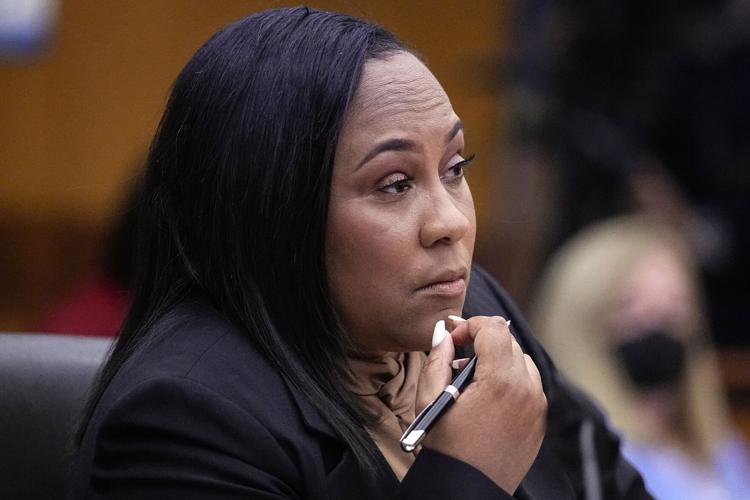
Fulton County District Attorney Fani Willis watches proceedings during a Jan. 24 hearing in Atlanta.
“It’s not a joking matter,” Findling said. “It’s not a matter for giggles. It’s not a matter for smiles.”
In the federal system, grand jurors are prohibited from talking about what witnesses say or anything that happens in the room. But the Georgia special grand jury oath says only that they cannot talk about their deliberations.
Copeland, the former federal prosecutor and criminal defense attorney, noted that Kohrs was cautious — consulting a notebook where she’d written the judge’s instructions before answering some questions — and didn’t describe the discussion and debate that led to the special grand jury’s outcomes.
“I wish she really hadn’t talked about anything,” Copeland added. “But she doesn’t talk about the deliberations. She doesn’t talk about the votes. She simply talks about other things that were happening in the grand jury session.”
University of Georgia law professor emeritus Ron Carlson said that if Kohrs had revealed the names of anyone for whom the special grand jury recommended charges, it’s possible those people could try to use that as grounds to dismiss an indictment. But he wasn’t optimistic about the chances for success.
“I think that any kind of motion to dismiss an indictment based on her comments would have an uphill battle,” Carlson said.