Editor's note: This story is part of 'Broken Defense,' an investigative series from Lee Enterprises. More details about this project can be found at the bottom of this article.
The Montana Office of the Public Defender has had one of its rockiest years since the agency was concentrated from county offices into a state obligation.
A dispute over a delay assigning attorneys in eastern Montana went up to the state Supreme Court last year, drawing attention to OPD’s staff retention problem. Contract attorneys who take overflow cases in western Montana began refusing work until the $56 rate increased. Federal courts, for example, pay contract public defenders closer to $150.
Many woes, including double-digit vacancies, eased in 2021 after COVID-19 federal relief funds helped temporarily patch problems. Raises for contract and staff public defenders were negotiated in what the director called a “historic” investment.
People are also reading…
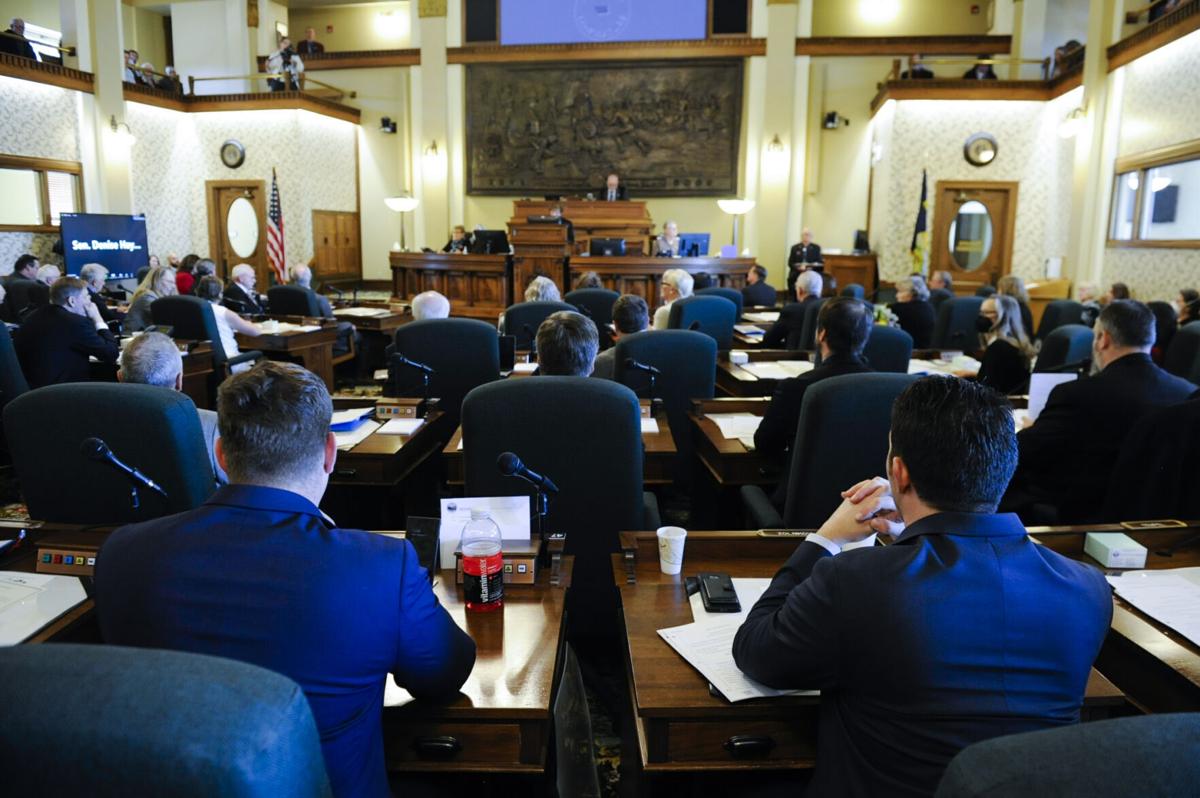
In its second week, the Montana Legislature this month began digging into the materials that will eventually shape OPD’s ability to carry out its obligation to provide effective representation to people who can’t afford it.
Learn about the capitol, which is more than 120 years old.
The Governor’s Office backs the state public defenders office request for a $19 million budget increase, a 24% leap. That could add 20 attorneys, but would still leave the agency shorthanded. Since 2019, the Montana public defenders office needed an additional 63 attorneys on average to handle the caseload assigned to the agency and still meet its workload management limits, according to the agency's December budget request to the state Legislature.
“This represents, in our opinion, not Band-Aid fixes,” Schandelson told the budget subcommittee on public safety. “We are attempting to actually address fundamental flaws in the way the agency has been funded.”
The agency’s obligation to provide representation on the taxpayers’ dime to people who cannot afford it causes tension.

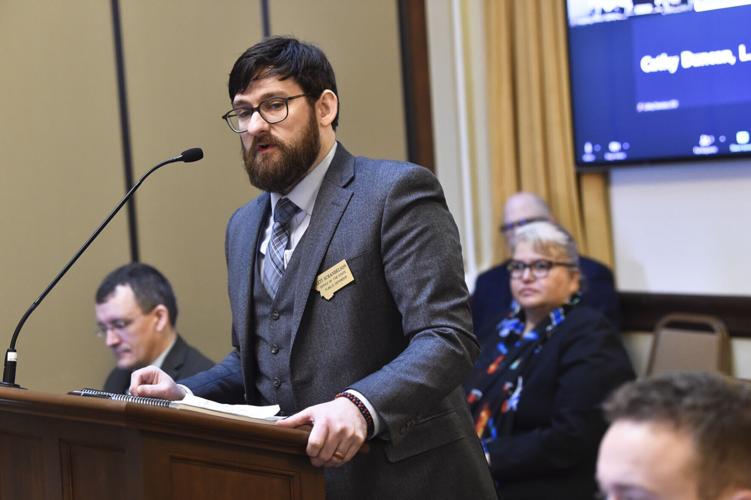
Brett Schandelson, Office of Public Defenders director, asks the public safety subcommittee for more public defense funding at the Montana State Capitol Jan. 9. He says the money should "actually address fundamental flaws in the way the agency has been funded," not make "Band-Aid fixes."
Top state agency officials told Lee Newspapers over the past year that workloads assigned to attorneys have mostly disregarded the agency’s own caseload limit by nearly 200%, according to Schandelson. For more than a decade OPD policy has stated that attorneys should take on no more than 125 new cases per month, but the agency never tracked attorney hours, and therefore never abided by that limit policy.
Caseload limit enforcement could prevent attorney burnout that drives turnover, which may translate to delays for a defendant waiting in jail to get a lawyer, Schandelson said.
“You don’t close the gap between reality and justice by feeding the system your own flesh and blood,” Schandelson said in a November interview. “We need a system that can sustain itself.”
Yellowstone County in 2021 began enforcing workload limits and within months revealed a dire public defenders’ backlog. District Court Judge Donald Harris held the agency in contempt for delays in assigning attorneys to more than 660 defendants.
According to the most recent data following Harris’ order, more than 67% of OPD’s unassigned cases in September 2021 were in Yellowstone County, OPD officials told lawmakers.
Harris held the agency in contempt again in February for continued attorney assignment delays. State law requires a public defender be assigned “immediately,” and Harris had ordered OPD to assign cases within three days to comply with his earlier order.
The state public defender’s office petitioned to the Montana Supreme Court the second contempt order, arguing that understaffing made Harris’ deadline impossible. Some state and national legal organizations supported the contempt order, arguing those delays in representation violated defendants’ Sixth Amendment right to an attorney, while some of their peers opposed sanctioning the agency into compliance.
The state Supreme Court ruled that the judge could not create a three-day deadline that doesn’t already exist in law, so Montana’s “immediate” representation deadline remains undefined.
Cycles of solutions
Montana centralized its public defense system into a statewide agency in 2006 after the ACLU sued the state and seven counties alleging the county-run model provided constitutionally deficient services.
Counties still shared the public defense cost, but the state eventually covered more than its share. Attempts to realign that arrangement was killed by city and county lobbyists during the 2019 Legislature.
“We baked in an underfunding because we did not recognize as a state that what we were doing as counties did not make sense,” Schandelson told the Legislature this month. “The gap in the work between what we have and what we do has existed going back for years.”
The statewide system is better, said Montana’s ACLU legal director Alex Rate, but only works if sufficiently funded.

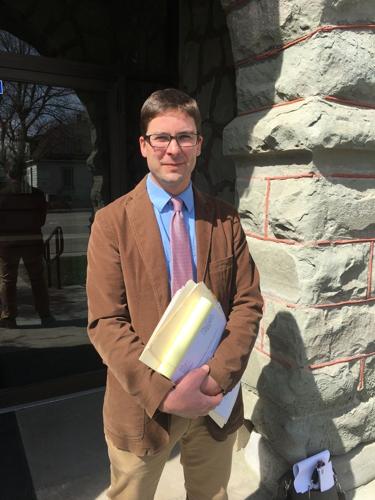
Rate
“We are lightyears beyond where we were,” Rate told Lee Newspapers. “We’ve modernized our system and professionalized our workforce. We still have a ways to go and I think Yellowstone County is a good indicator that there is seriously weak links in the chain of public defense.”
Though funding can’t resolve lack of oversights in a rushed and overworked system.
Joseph Jefferson-Dust, a public defender’s office former client, was for a year in and out of jail despite his accuser recanting her allegations.
An investigator with the office created a memo detailing the recantation, but Schandelson told Lee Newspapers it’s unclear what happened to the document. At the time, Yellowstone County Office was taking on twice as many cases as it could handle, and Jefferson-Dust’s attorney was days from retirement.
More than a year has passed since Jefferson-Dust’s accuser recanted, and he’s currently on probation for the charge. The Montana Innocence Project uncovered the memo and now is handling the case to overturn his conviction.

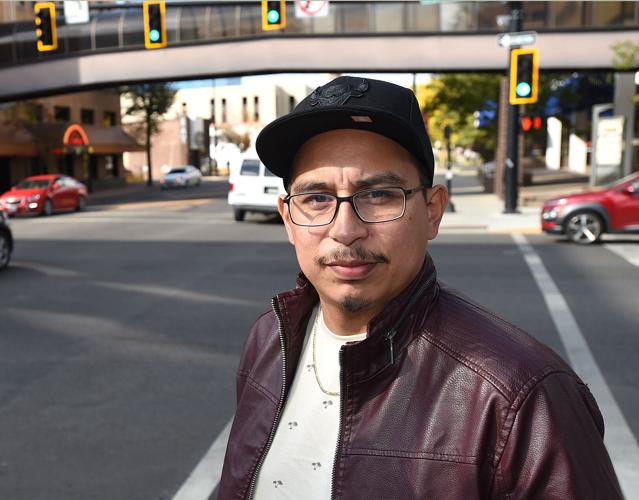
Joseph Jefferson-Dust was released from a Montana jail after his sexual assault accuser recanted. His case had been delayed, preventing his release and exoneration, because the recantation sat for more than a year in an overwhelmed public defender's office. Jefferson-Dust is one of many people trapped in broken public defense systems across the West.
“I have respect for the law, I do,” Jefferson-Dust said in October in Billings. “But I was let down by the justice system.”
Schandelson said the agency’s failure to reveal the recantation sooner exposes systemic breakdowns that prevent rushing attorneys from seeing new information, like the Jefferson-Dust memo.
“It seems like he’s got the short end of every possible stick here for a while, and while that doesn’t all rest with us, we are typically the only part in the system able to advocate,” Schandelson said.

Montana’s Legislature meets four months every two years, so the window is brief for lawmakers to decide policy and funding. Several public defender improvements had been suggested to committees by this session’s second week, including another local government cost share increase proposal.
Local prosecutors again opposed the idea, proposed by longtime Sen. Ryan Lynch, who admitted the bill is mostly meant to force a conversation about OPD’s needs. Freshman legislator Sen. Daniel Emrich asked Lynch whether that’s worth the Legislature’s valuable time.
“I've been in the Legislature 10 years,” Lynch said. “We've had this dialogue for 10 years, and this is the furthest the conversations ever gotten.”
That bill emerged from committee and on Tuesday passed the Senate.

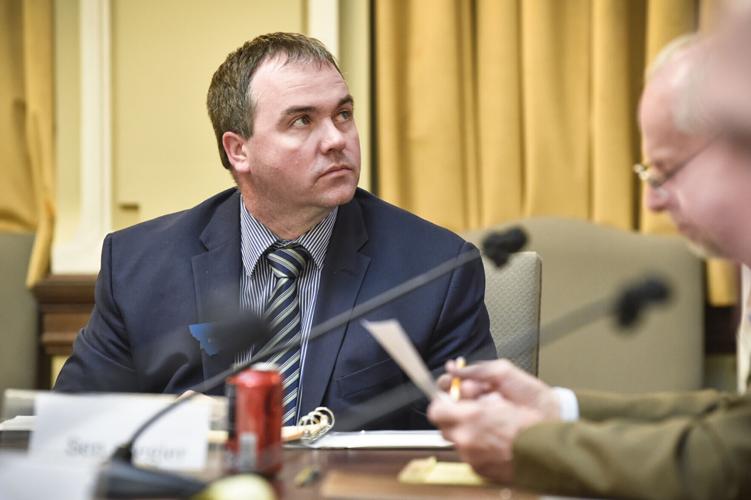
Sen. Ryan Lynch, D-Butte.
About Broken Defense: Across the West, public defense systems face crushing caseloads, historic underfunding, structural problems and severe staffing shortages, imperiling criminal defendants’ lives and in many cases denying them their constitutional right to counsel. Defendants have lost jobs and homes, been pressured to plead guilty and been denied the benefit of exonerating evidence. People accused in more than 100,000 misdemeanors each year go to jail without ever talking to a lawyer.
Lee Enterprises’ West region Public Service Journalism team and local reporters attended more than a dozen court hearings and interviewed more than 25 defendants, 40 attorneys and 25 experts to reveal public defense in many western states is broken.