NEW YORK — Some parts of Twitter's source code — the fundamental computer code on which the social network runs — were leaked online, the social media company said in a legal filing that was first reported by The New York Times.

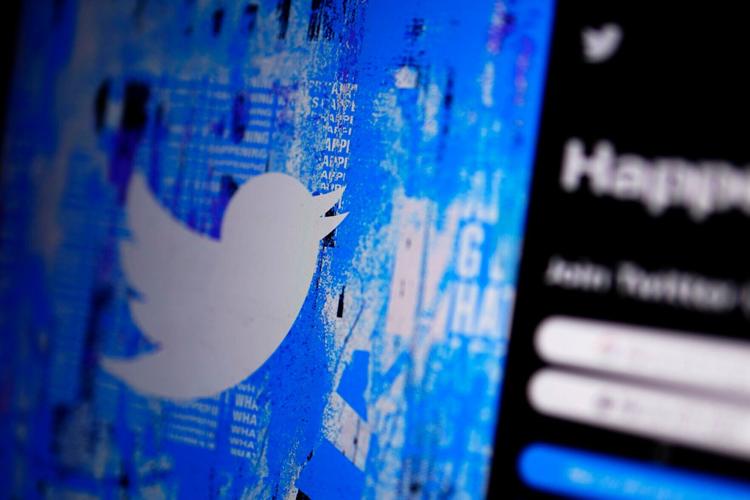
The Twitter splash page is seen on a digital device on April 25, 2022, in San Diego.
According to the legal document, first filed with the U.S. District Court of the Northern District of California on Friday, Twitter asked GitHub, an internet hosting service for software development, to take down the code where it was posted. The platform complied and said the content had been disabled, according to the filing.
Twitter, based in San Francisco, noted in the filing that the postings infringe on copyrights held by Twitter.
The company also asked the court to identify the alleged individual or group that posted the information without Twitter’s authorization. It's seeking names, addresses, phone numbers, email addresses, social media profile data and IP addresses associated with the user account “FreeSpeechEnthusiast” which is suspected of being behind the leak. The name is an apparent reference to Twitter's billionaire owner, Elon Musk, who described himself as a free speech absolutist.
People are also reading…

Elon Musk
It is difficult to know if the leak poses an immediate cybersecurity risk for users, said Lukasz OIejnik, an independent cybersecurity researcher and consultant, but he did say that breach underscores internal turbulence at the company.
“While this is the internal source code, including internal tools, the biggest immediate risk seems to be reputational," Olejnik said “It highlights the broader problem of Big Tech, which is insider risk," and could undermine trust between Twitter's employees or internal teams, he said.
Musk promised earlier this month that Twitter would open source all the code used to recommend tweets on March 31, saying that people “will discover many silly things, but we’ll patch issues as soon as they’re found!” He added that being transparent about Twitter's code will be “incredibly embarrassing at first” but will result in "rapid improvement in recommendation quality."
The leak creates another challenge for Musk, who bought Twitter in October for $44 billion and took the company private. Twitter has since been engulfed in chaos, with massive layoffs and an exodus of advertisers fearful of exposure on the platform to looser rules on potentially inflammatory posts.
Meanwhile, the Federal Trade Commission is probing Musk’s mass layoffs at Twitter and trying to obtain his internal communications as part of ongoing oversight into the social media company’s privacy and cybersecurity practices, according to documents described in a congressional report.
How to take a break from social media
Be easy on yourself and ask for help about social media use

"If you're reading this article, kudos to you for thinking about reevaluating social media," Agarwal said Trying to meet your goals is all about celebrating the small wins.
At the least, set small benchmarks for yourself like spending 10 minutes less on social media than the day before. The right amount of social media time is different for everyone since some people actually use these apps to brand and help market themselves. Find your own social media sweet spot, and remember, even if you scroll too much on social media one day, you can try and meet your goal tomorrow.
Another way to keep you on track is to share your goal with someone you trust. A friend or loved one who can kindly nudge you when they notice you've been on social media for awhile.
Helpful exercise to remind you what you're missing by scrolling

Scrolling through social media while hanging out with friends isn't uncommon nowadays, but when you think about how unengaged you are in those moments, it can put social media use into perspective.
Agarwal suggests the next time you're in a room with others at a family or friends gathering and you see yourself scrolling through social media instead of engaging with others, take a minute to physically remove yourself from the room and isolate in another room. Listen and feel how much you may be missing out on.
"What that does is it gives your brain a signal. If you force yourself to leave the room, you realize how much you're using that app and missing out on other people," Agarwal said. "It's a good physical reminder of being present in the moment and not on your on your phone and scrolling through social media."
Use your phone's screen-time tracking feature and limit social media use

Most smart phones nowadays track your screen-time and usage already. It's a good idea to figure out your average screen time per day so you have a benchmark that you can work on.
On iPhone, you can go into your "Screen Time" settings, which displays the amount of time you spend on each app and allows you to put timers on specific apps to limit how long you're on them. Android phones have similar features in the "Digital Wellbeing" settings. Additionally, Facebook, Instagram and TikTok offer the same features within the app settings themselves.
Physically distance yourself from your phone and apps

When you're at home and have free time, put your phone in a drawer or somewhere you can't see it. Oftentimes limiting the ability to quickly and easily pick up your phone is enough to keep you off of social media, said Agarwal. If your phone is what keeps your hands from fidgeting, try to have some objects around the house that relieve stress, like a stress ball, fidget toy or yarn and crochet hooks.
Hide your social media apps on your phone by placing the app on the second or third page of your home screen or bury the app inside an "app folder" with a bunch of others. When you're waiting in line or have a free five minutes, instead of grabbing your phone — take in the view, practice some breathing exercises or read a book.
Benefits of taking a social media break

Ever hear of "text neck?" It's the result of looking down at our phones when scrolling or texting, straining the neck muscles over a long period of time. Taking a break from social media helps relieve neck pain and gives your eyes a break from bright screens.
People may also be more connected than ever through social media, but a 2018 University of Pennsylvania study found that people who limit their time on social media experience less depression and feelings of loneliness.
Taking a break from social media will give you better sleep, too. Research suggests that nighttime use of social media is driven by FOMO (fear of missing out), and keeps people scrolling longer at night instead of going to sleep.
Reevaluate what you want out of social media

What is the reason that brought you onto social media? This is the question Agarwal said to ask yourself when trying to figure out if it's time to take a social media break. If you're not getting the same satisfaction from the reason you use social media, it may be time to look for alternatives.
If you joined social media to...
1. Find community: Look for clubs and groups in your neighborhood where you can meet and interact with others IRL (in real life).
2. Be inspired: Consume other forms of media like magazines, books, podcasts, movies or live events.
3. Buy and sell things: Try using other apps, like OfferUp or NextDoor, or visiting local events and marketplaces in person.
Two and a half hours.

Two and a half hours — that's the average amount of time people spend on social media each day.
It may not sound like a lot, but that time can really add up — and at what cost? Social media has proven negative effects on mental health (especially for teens), self-image and for some is a huge time-waster.
University of Penn's Anish Agarwal, an emergency physician, researcher, and deputy director for the Center for Digital Health, said it's important to constantly be reevaluating the role social media plays in daily life.
The bottom line: taking a break from social media is healthy for you. Read on for guidance and tools to help you limit screen time on these apps.