

NEW YORK — Researchers are trying to find ways to regrow fingers — and someday, even limbs — with tricks that sound like magic spells from a Harry Potter novel.
There's the guy who sliced off a fingertip but grew it back, after he treated the wound with an extract of pig bladder. And the scientists who grow extra arms on salamanders.
This summer, scientists are planning to see whether the powdered pig extract can help injured soldiers regrow parts of their fingers. And a large federally funded project is trying to unlock the secrets of how some animals regrow body parts.
The implications for regrowing fingers go beyond the cosmetic. People who lose all or most of their fingers often can't pick things up, brush their teeth or button a button. If they could grow even a small stub, it could make a difference in their lives.
People are also reading…
And the lessons learned from studying regrowth of fingers and limbs could aid the larger field of regenerative medicine, perhaps someday helping people replace damaged parts of their hearts and spinal cords, and heal wounds and burns with new skin instead of scars.
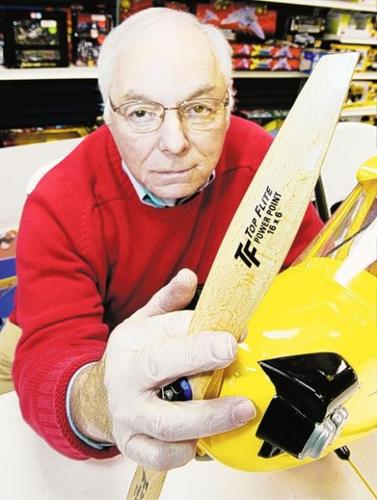
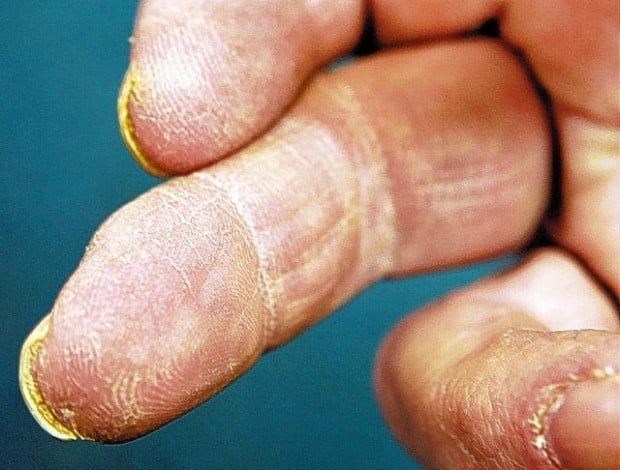
For now, consider the situation of Lee Spievack, a hobby-store salesman in Cincinnati, who sliced off the tip of his finger in August 2005.
If Spievack, now 68, had been a toddler, things might have been different. Up to about age 2, people can consistently regrow fingertips, says Dr. Stephen Badylak, a regeneration expert at the University of Pittsburgh. But that's rare in adults, he said.
Spievack, however, did have a major advantage — a brother, Alan, a former Harvard surgeon who'd founded a company called ACell Inc., that makes an extract of pig bladder for promoting healing and tissue regeneration.
It helps horses regrow ligaments, for example, and the federal government has given clearance to market it for use in people. The summer before Lee Spievack's accident, Dr. Alan Spievack had used it on a neighbor who'd cut his fingertip off on a table saw. The man's fingertip grew back in four to six weeks, Alan Spievack said.
Lee Spievack took his brother's advice to try the pig powder.
Within four weeks, his finger had regained its original length, he says, and in four months "it looked like my normal finger."
This summer at Fort Sam Houston in San Antonio, the powder will be tested on soldiers who have far more disabling finger loss because of burns.
Fingers are particularly vulnerable to burns because they are small and their skin is thin, says David Baer, a wound specialist at the base who's working on the federally funded project.
Badylak and other scientists are involved in a separate, Pentagon-funded project to learn how some animals regrow tissue. The salamander is a star: Chop off a salamander's arm, and it will grow back naturally in a few weeks.


