

TEHRAN, Iran — Hip-hop blares from car radios in the streets of the Iranian capital, and Eric Clapton's "Rush" and the Eagles' "Hotel California" regularly accompany Iranian news broadcasts.
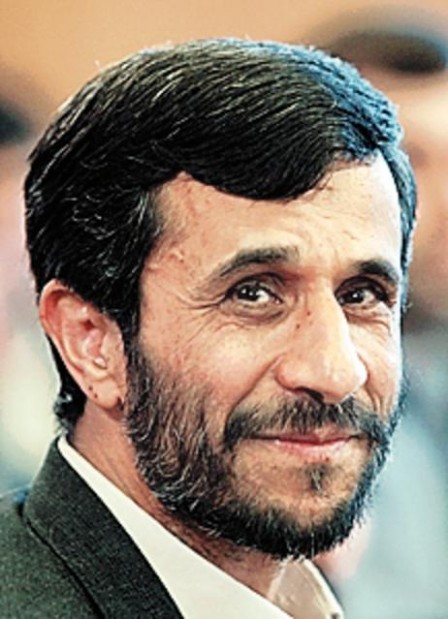
But Clapton, Kenny G., George Michael and other singers incongruously popular in Iran will be off the airwaves after hard-line President Mahmoud Ahmadinejad issued a decree banning Western music from the country's radio and TV stations.
The decision was an eerie reminder of the 1979 Islamic revolution when popular music was outlawed as "un-Islamic" under Ayatollah Ruhollah Khomeini.
The official IRAN Persian daily reported Monday that Ahmadinejad, as head of the Supreme Cultural Revolutionary Council, ordered the enactment of an October ruling by the council to ban all Western music, including classical music, on state broadcast outlets.
People are also reading…
The Iranian guitarist Babak Riahipour lamented what he called a "terrible" decision. "The decision shows a lack of knowledge and experience," he said.
Music was outlawed by Khomeini soon after the 1979 revolution; Khomeini claimed it was "intoxicating." Many musicians went abroad and built an Iranian music industry in Los Angeles.
But as revolutionary fervor started to fade, some light classical music was allowed on Iranian radio and television; some public concerts reappeared in the late 1980s. Since Khomeini's death, pop music has been creeping into Iranian shops.
In the 1990s, particularly during the presidency of reformist Mohammad Khatami starting in 1997, authorities began relaxing restrictions further. These days in Iran, Western music, films and clothing are widely available in Iran. Bootleg videos and DVDs of films banned by the state can be found on the black market.
However, women are prohibited from singing in public, except to a segregated female-only audience. Hard-liners were afraid the voice of a woman soloist might arouse impure thoughts in men. Women are allowed to sing as part of a chorus.


