


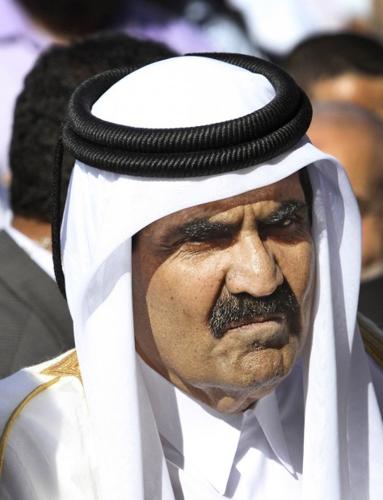
GAZA CITY, Gaza Strip - The emir of Qatar on Tuesday became the first head of state to visit the Gaza Strip since Hamas militants seized the territory five years ago, showering almost $500 million and unprecedented political recognition on the Islamic militant group.
The landmark visit highlighted the tumultuous changes that have swept the region during the Arab Spring events over the past two years, pushing once-shunned Islamic movements to the forefront of Mideast politics. Qatar, an oil-rich Gulf state, has encouraged these changes by backing efforts for the ouster of secular regimes.
The emir, who has long sought a role in Palestinian politics, appeared to be seizing an opportunity created by Hamas' break in recent months with its ally Syria. In return for Tuesday's stamp of recognition, the emir may use his leverage to lure Hamas hard-liners in Gaza away from their longtime patron Iran, the regional rival of Qatar and other Sunni Muslim-led states.
People are also reading…
The arrival of Sheik Hamad bin Khalifa Al Thani gave Hamas its biggest diplomatic victory yet since violently taking control of Gaza in June 2007 from forces loyal to Palestinian President Mahmoud Abbas. Repeated attempts to reconcile, including a Qatari-brokered deal early this year, have failed. Abbas now governs in the West Bank.
The emir received a hero's welcome as he crossed Gaza's southern border with Egypt.
In a speech at Gaza's Islamic University, a Hamas stronghold, the emir called on the Palestinians to heal their bitter rift, saying a unified front is the only way to achieve statehood.
"Why are you staying divided? There are no peace negotiations (between Palestinian factions), and there is no clear strategy of resistance and liberation. Why shouldn't brothers sit together and reconcile?" he said.
Despite the conciliatory language, the emir's visit may have the opposite effect. Hamas hard-liners have resisted reconciliation, in part because they are reluctant to give up the ministate they have created.
Though it is shunned internationally, Hamas runs governmental ministries, armed security forces and border crossings. The emir's visit is likely to solidify Hamas' control and boost its confrontational approach toward Israel.
Officials in the West Bank made clear their displeasure with the way the visit was handled. Abbas, who seeks a negotiated peace deal with Israel, has seen his popularity plunge because of a four-year standstill in peace efforts and a financial crisis that has left him unable to pay the salaries of tens of thousands of civil servants.
"If this is a one-time visit, we can tolerate it. But we are concerned that others will come and that will reinforce the split," said Abbas adviser Yasser Abed Rabbo. "No one should deal with Gaza as a separate entity from the Palestinian territories and from the Palestinian Authority."
Israel also denounced the Qatari leader's visit.
In Washington, State Department spokeswoman Victoria Nuland said the U.S. hoped "the opportunity was taken to make clear the importance of Palestinians and Israelis talking to each other. And we've been very clear about our concerns about Hamas," she said.


