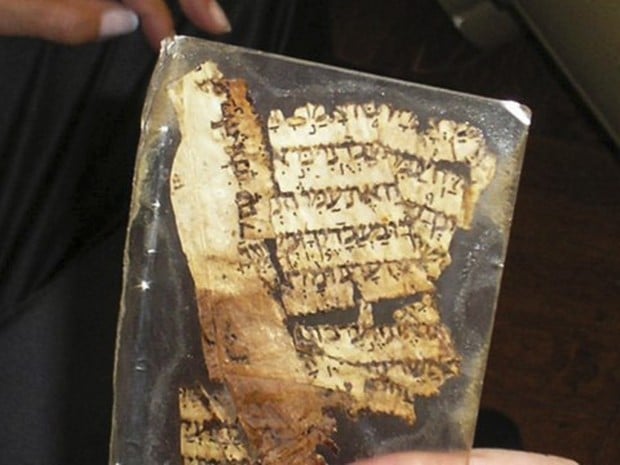
JERUSALEM - Software developed by an Israeli team is giving intriguing new hints about what researchers believe to be the multiple hands that wrote the Bible.
The new software analyzes style and word choices to distinguish parts of a single text written by different authors, and when applied to the Bible its algorithm teased out distinct writerly voices in the holy book.
The program, part of a subfield of artificial-intelligence studies known as authorship attribution, has a range of potential applications - from helping law enforcement to developing computer programs for writers. But the Bible provided a tempting test case for the algorithm's creators.
For millions of Jews and Christians, it's a tenet of their faith that God is the author of the core text of the Hebrew Bible - the Torah, also known as the Pentateuch or the Five Books of Moses. But since the advent of modern biblical scholarship, researchers have believed the text was written by a number of authors whose work could be identified by different ideological agendas and linguistic styles and the different names they used for God.
People are also reading…
Today, scholars generally split the text into two main strands. One is believed to have been written by a figure or group known as the "priestly" author, because of apparent connections to the temple priests in Jerusalem. The rest is "non-priestly." Scholars have meticulously gone over the text to ascertain which parts belong to which strand.
When the new software was run on the Pentateuch, it found the same division, separating the "priestly" and "non-priestly." It matched up with the traditional academic division at a rate of 90 percent - effectively re-creating years of work by multiple scholars in minutes, said Moshe Koppel of Bar Ilan University near Tel Aviv, the computer science professor who headed the research team.