

WASHINGTON - The November shootings of more than 40 people by an Army psychiatrist at Fort Hood, Texas, revealed a wide range of security lapses at U.S. military bases, including a failure to consider the possibility that a threat might come from an "insider," according to a Pentagon report released Friday.
The 23-page document makes 47 recommendations on how to improve security after the attack, which left 13 people dead.
The report provides scant information, however, on how the security lapses contributed to the shootings. Pentagon officials refuse to release the actual report of an independent panel into the shootings.
Among the recommendations:
• Better screening of military personnel for signs that they may become violent. Currently, the report said, there's no requirement to screen soldiers for violent tendencies before their deployment, and post-deployment screenings rely primarily on soldiers to report their own symptoms on questionnaires.
People are also reading…
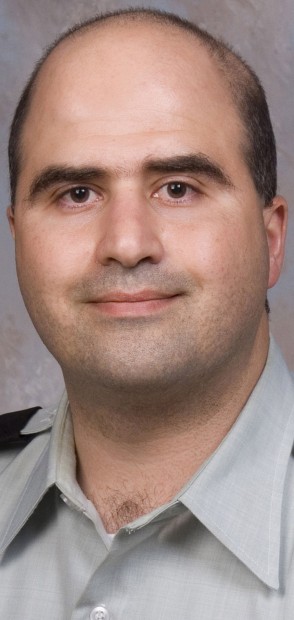
Maj. Nidal Hasan, who is accused in the shootings, was about to be deployed to Af-ghanistan when he opened fire on his fellow soldiers.
• Improved 911 emergency call systems. An independent Pentagon review after the shootings determined that emergency phone systems on most military bases were not as sophisticated as those in neighboring civilian communities and couldn't, for example, tell dispatchers a caller's location.
• Tougher screening of civilians working at U.S. military facilities and of non-citizens working on military bases overseas.
• Better focus on threats from military insiders.
Hasan, 39, who faces 13 murder charges and 32 charges of attempted murder, was paralyzed during the shooting by return fire. He is in a Texas jail.


