
June is Men’s Health Month, and it got me thinking about men’s beliefs about nutrition and dietary habits. Men are dying an average of five years younger than women and are the front-runners in nine out of ten of the top causes of death. Nutrition plays a role in six of the ten leading causes of death: heart disease, cancer, stroke, diabetes, kidney disease, and Alzheimer’s Disease. Incorporate these nutrition tips that can promote a longer health span for men (and women).
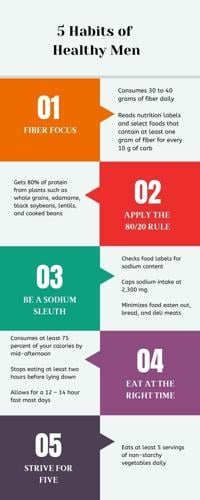
Focus on Fiber Many men are convinced that carbohydrates are fattening. While intake of excess added sugar and products made from white flour and other stripped grains could contribute to weight gain, other carb-rich foods fit nicely into a healthy diet. The key is to focus on the fiber content. Read nutrition labels, and choose foods that provide one gram of fiber for every 10 grams of carbohydrate. Examples include whole-wheat bread, old-fashioned oats, unsweetened whole-grain cereal (such as bran flakes), brown rice, beans, and lentils.
Foods high in fiber are less likely to cause blood sugar spikes. Easy-to-digest carbs like pretzels and rice can cause spikes in blood glucose. Frequent spikes can lead to insulin resistance, belly fat accumulation, and eventually prediabetes.
Protein MattersOlder adults need more protein, and it’s best to distribute the protein throughout the day. It’s easy to estimate the amount of protein you need. Divide your ideal body weight (pounds) by two. The resulting number is grams of protein per day. For example, if a healthy weight is 200 pounds, then strive to consume about 100 grams of protein per day. Here’s a sample one-day meal pattern providing at least 102 grams of protein and approximately 1,950 calories.
Breakfast ½ cup old-fashioned oats cooked in 1 cup unsweetened soy milk
1 cup berries
1 cup Greek yogurt (unsweetened)
1 tablespoon chia, flax, or hemp seeds
Lunch2 slices whole-wheat bread
2 tablespoons unsweetened peanut butter
1 banana
Cucumber, snap peas, and red bell pepper with ¼ cup hummus
1 hard-cooked egg
Dinner 4 ounces broiled or grilled salmon
1 russet potato, baked
½ cup broccoli plus ½ cup carrots
150 calories of joy
Shifting your protein sources from land animals to fish, seafood, shellfish, and plant protein can extend your life. The American Journal of Clinical Nutrition reported that men who favored animal protein over plant-based protein had a higher risk of death in a 20-year follow-up than men whose protein intake was more balanced.
Salt LessResearch has consistently shown that when people reduce sodium, their blood pressure drops. Americans consume an excess of 3,400 milligrams of sodium daily, and experts suggest that reducing that to 2,300 milligrams would prevent tens of thousands of heart attacks and strokes yearly. Check food labels for sodium content and pick out products with lower levels. Then, balance sodium intake by increasing your intake of high-potassium foods. Do a web search on the DASH diet for more information.
Change Your Fat HabitsThe type of fat you consume matters a lot when it comes to heart health. Replace saturated fats in coconut oil, beef, cheese, and butter with mono and polyunsaturated fats in avocado, nuts, seeds, and extra virgin olive oil.
Eat Early; Eat LessInstead of embarking on an ultra-restrictive weight loss diet, consider making small changes. First, strive to consume at least 75 percent of your calories by mid-afternoon. Second, refrain from after-dinner eating. Third, become portion aware. Become familiar with serving sizes so you can eat appropriate calories at home and in restaurants.
Protect Your ProstateCancer is the second leading cause of death for men, with lung, prostate, and colorectal cancers topping the list. Improved nutrition may specifically help minimize the risk of prostate cancer. For a healthy prostate, incorporate cooked tomatoes (preferably cooked with olive oil) and cruciferous vegetables (like broccoli and cauliflower) into many of your weekly meals.
Nancy Teeter is a Registered Dietitian and a SaddleBrooke resident. Though mostly retired, she is passionate about sharing her nutrition knowledge with others. This article should not replace advice from your medical provider.
 Japanese company invests in mine near Mount Lemmon


