

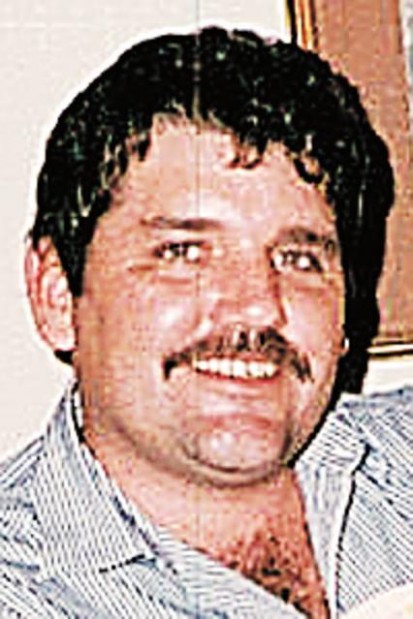
Longtime Pueblo High School boys basketball coach Barry O'Rourke died of cardiac arrest because he had an enlarged heart, Pima County's chief medical examiner said Tuesday.
Dr. Bruce Parks said although the results of O'Rourke's autopsy and toxicology tests will not be released for days, his staff has determined the cause of death.
Specifically, Parks said O'Rourke suffered from dilated cardiomyopathy, a disease of the heart muscle that causes the heart to become enlarged and pump less efficiently over time.
"An enlarged heart, in different forms of it, is something that is fairly common," Parks said.
"It's not as common as the hardening of the arteries, but it's something that is seen on a somewhat regular basis."
O'Rourke, 55, was found dead in his Foothills-area apartment on Jan. 26 after maintenance workers noticed a growing pile of newspapers at his door.
People are also reading…
O'Rourke had been on paid leave since Jan. 9.
Tucson Unified School District officials have not commented on the reasons for O'Rourke's departure because of a policy that forbids discussion of personnel issues.
However, longtime assistant coach B.J. Quarrell said O'Rourke decided to leave school to get healthy.
O'Rourke had been feeling sick for months before deciding to leave the program, Quarrell said Tuesday.
"From October on, he was coming to work sick," Quarrell said.
"We were trying to get him to see the doctor, but Barry was kind of stubborn about about what he might hear."
Quarrell said O'Rourke had been feeling dizzy on the bench during the season but thought he might simply have an inner-ear infection.
As O'Rourke became sicker, his colleagues and friends became more concerned.
O'Rourke "lasted as long as he could last" on the job, Quarrell said.
According to the Cardiomyopathy Association's Web site, dilated cardiomyopathy can be either congenital or a result of viral infections, auto-immune diseases, excessive alcohol consumption or exposure to toxic compounds.
Symptoms of the condition can include shortness of breath, swelling of ankles and feet, fatigue and chest pain.
But even if O'Rourke had those symptoms, he might not have noticed them until it was too late.
"Most people that have this disorder probably aren't aware of it until they have symptoms of heart failure," Parks said.
O'Rourke's oldest daughter, Carynne, said her father did not have a history of heart disease.
Still, she said the cause of death was fitting for someone who had spent his adult life serving others.
O'Rourke had been at Pueblo as a basketball coach and social studies teacher since 1974.
His best season as a head coach came in 1983, when Pueblo reached the Class AAA state championship game.
"Enlarged heart is a good way to put it," Carynne O'Rourke said.


