

The high-flying Andean capital of Cuzco is the gateway to the Inca citadel of Machu Picchu, South America's premier tourist destination.
Each year more than a million foreign visitors pass through Q'osqo
(as it's known in the indigenous Quechua
language), but few pause long enough to explore this city once ruled by Inca kings and Spanish conquistadors.
Start at the nerve center of the colonial city, the Plaza de Armas.
Once the site of an Inca palace, for centuries it has been lorded over by La Catedral,
a jewel box of art that blends Catholic beliefs with indigenous Andean traditions.
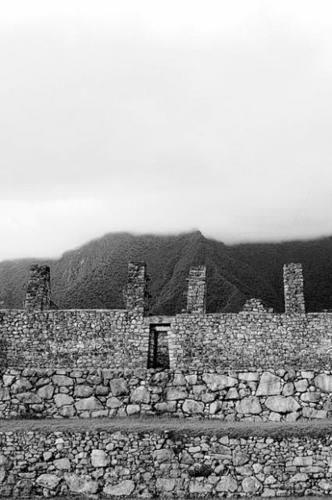
Narrow alleyways beside the plaza are buttressed by complexly crafted Inca stonework. Nearby are the ruins of Qorikancha,
People are also reading…
the "Golden Courtyard," once the Inca empire's richest temple. Before being looted by Spanish conquistadors, some say, it was literally covered in gold.
Exquisite artifacts from Peru's varied ancient cultures are displayed in the Museo de Arte Precolombino, housed in a Spanish Colonial mansion built over a sacred Inca site. The more modest Museo Inka harbors mummies, pottery, jewelry and the world's largest collection of queros (Inca ceremonial drinking vessels).
With their eyes set solely on Machu Picchu, many visitors miss not only the back streets of Cuzco, but also El Valle Sagrado, the "Sacred Valley" of the Incas. Lying just outside the city, the idyllic valley is flush with archaeological ruins, hot springs, colonial towns with quaint cobblestone streets, hectic highland markets and wide-open countryside ripe for adventure sports.
The most convenient jumping-off point is Ollantaytambo, where trains to Machu Picchu stop. An Inca village that has been inhabited continuously since the 13th century, it is overshadowed by the ruins of a massive temple and fortress where the Incas made their last stand against the Spanish conquistadors before retreating deep into the Amazon jungle.
The fertile Inca agricultural terraces of Moray and salt pans of Salinas are a short taxi ride from Urubamba,
the valley's hub for adventure sports. Outfitters can arrange rides on graceful Peruvian paso
horses, hot-air-balloon flights and paragliding over the Andes or guided hikes, bird-watching trips and river-rafting adventures.
The markets of Pisac and Chinchero
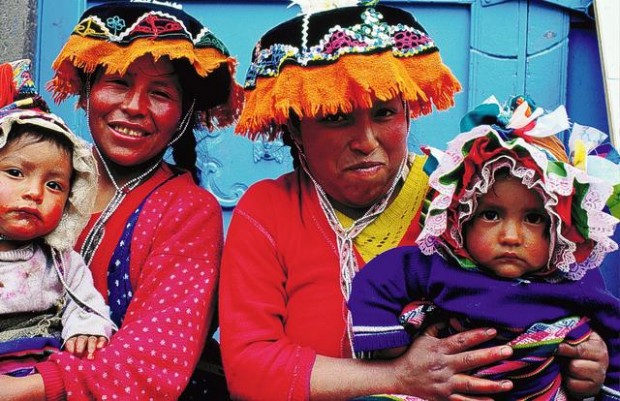
attract hundreds of foreign visitors and Peruvian villagers alike. Pisac's Sunday market is thronged with tour buses and locals in traditional dress, while the town's clay-oven bakeries are famous for their castillos de cuyes
(miniature guinea-pig castles).
The ruins of Pisac's Inca citadel, with ceremonial baths and honeycomb tombs, is perched above the dizzying Río Kitamayo
gorge.
The valley's most famous site, Saqsaywamán,
is a challenging uphill walk from Cuzco's Plaza de Armas along a winding Inca road. The imposing fort is known for its zigzag fortifications and for the Inti Raymi
festival, an Inca winter-solstice celebration, held every June 24.
Wherever you spend an extra day or two en route to Machu Picchu, you won't regret it. Little-known ancient ruins, colonial treasures and vibrant Andean villages await.
For more information
• Contact the South American Explorers at www.saexplorers.org.


