It should come as no great surprise that thousands of American books have been banned or successfully “challenged” again this year.
Literary censorship is older than the country itself.
Officials in Quincy, Massachusetts, censored Thomas Morton’s “New English Canaan” in 1637. Zealous do-gooders have been hard at it ever since, and in their fervor banned such American classics as “The Great Gatsby” and “The Adventures of Huckleberry Finn.”
With bookshops and libraries preparing to celebrate Banned Book Week, Oct. 5-11, volunteers with the Tucson Festival of Books were invited to share their own favorite censored titles:
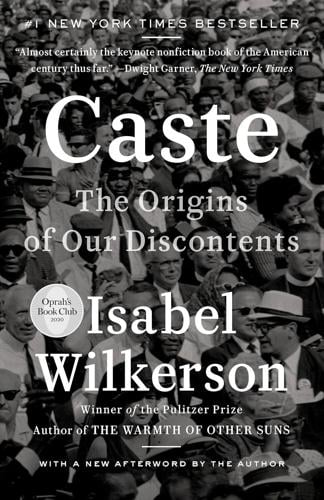
“Caste” by Isabel Wilkerson was a National Book Award candidate in 2020 and is even more timely now than it was then. In it, the Stanford professor explores the unspoken caste system that has shaped America — and how our lives today are still defined by a hierarchy of human divisions not mentioned in our Declaration of Independence or Bill of Rights. — Karyn Prechtel-Altman
People are also reading…

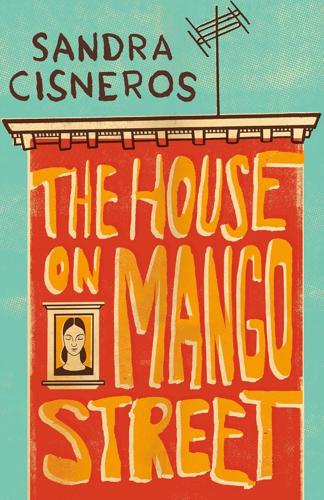
“The House on Mango Street” by Sandra Cisneros continues to be a generational touchstone for young Latinos, the story of young Esperanza Cordero growing up in Chicago. “In English, my name means hope,” she said. “In Spanish, it means sadness, it means waiting.” Banned by a number of jurisdictions when it was released in 1983, “Mango Street” is now taught in schools. — Estella Gonzalez

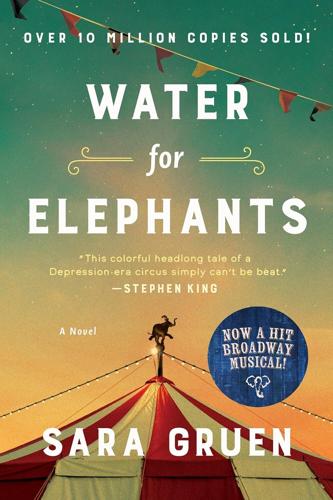
“Water for Elephants” by Sara Gruen is among the many banned books that later became award-winning movies or popular plays. This one did both. It is the story of a young orphan boy who found an unlikely home in a traveling circus. In 2011, the film adaptation starred Reese Witherspoon and Cristoph Waltz. In 2024, the Broadway play won seven Tony Awards. — Lynn Wiese Sneyd

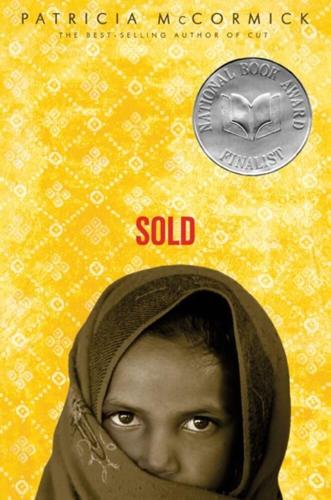
“Sold” by Patricia McCormick is a middle-grade novel in which a 13-year-old girl from Nepal is sold into prostitution in India. This powerful, poignant, National Book Award finalist gives voice to a young girl robbed of her childhood yet determined to find the strength to triumph. — Kathy Short

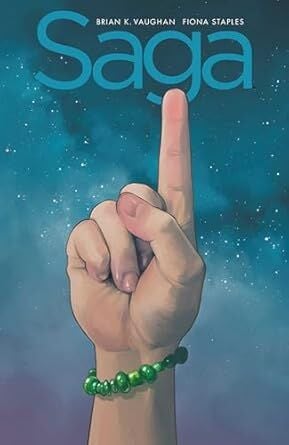
“Saga” by Brian K. Vaughan is a monthly series of short graphic novels that has been running since 2012. It features a married couple from long-warring galaxies, struggling to evade both while protecting their daughter, Hazel. Described as half Star Wars, half Game of Thrones, the concept may one day become a novel. — Mira Domsky

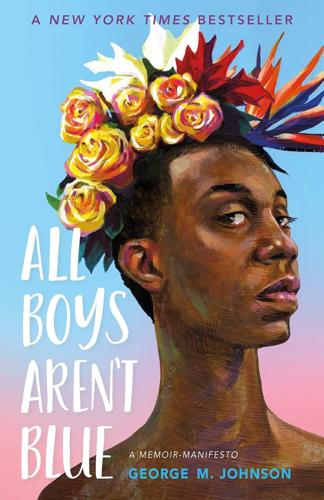
“All Boys Aren’t Blue” by George M. Johnson is a young-adult collection of stories and reminisces by a young Black person struggling to find a sexual identity. For each of the last five years, it has been among the five books most-frequently banned across the United States. — Jessica Pryde
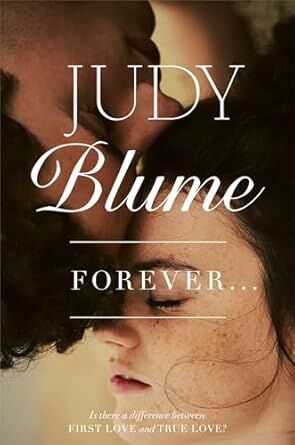
“Forever” by Judy Blume. A generation of young women grew up reading Blume, at least in part because she often stirred up prim-minded critics. She did just that with “Forever,” which explored first relationships, first loves and first times. Another successful challenge targeted Bloom’s “Are You There God? This is Margaret,” which was adapted into a movie starring Rachel McAdams and Kathy Bates in 2023. — Lori Riegel

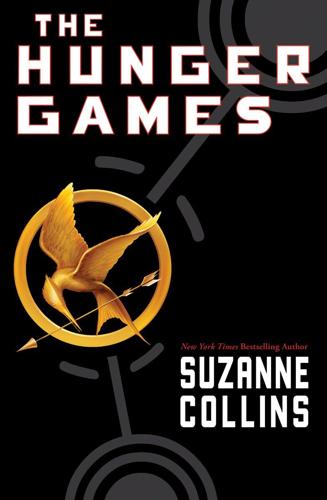
“The Hunger Games” by Suzanne Collins was the first of what became a five-part series set in a dystopian country in North America. The nation includes a wealthy capital and 13 districts struggling to survive. Every year, two children from each district must engage in a televised “battle royale” to survive. The original novel was released in 2008, while the first of five major movies hit theaters in 2012. — Shannon Baker

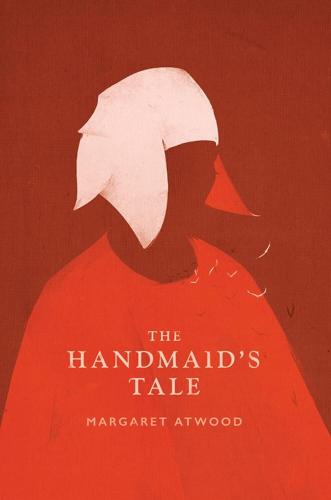
“The Handmaid’s Tale” by Margaret Atwood is another often-restricted book that became an overwhelmingly successful adaptation: a television series that ran eight award-winning years on Hulu. Published in 1985, the book was a dystopian tale in which all women became wards of the state, required to work and have children. — Pamela Clarridge
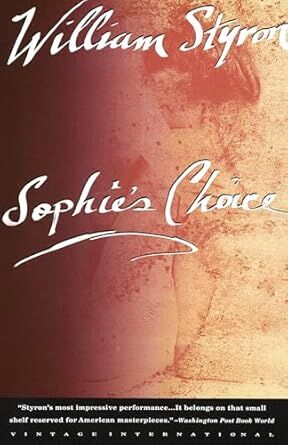
“Sophie’s Choice” by William Styron was a 1979 novel and 1982 film that remains etched in reader memories even today. In a German concentration camp near the end of World War II, a Nazi doctor instructs Sophie Zawistowska to make a choice: which of her two children will live, and which of them will die. — Gay Vernon
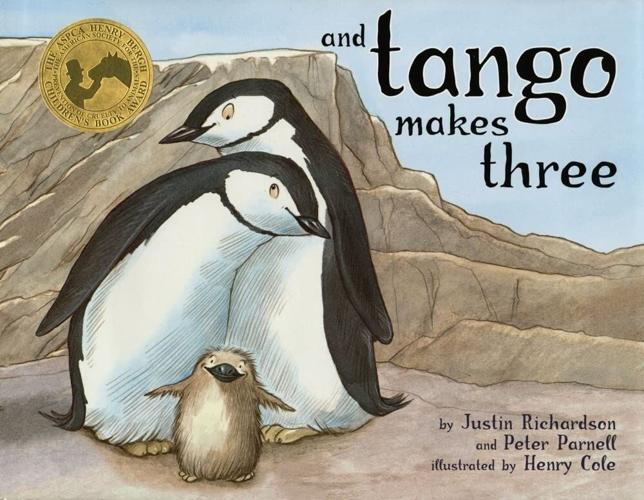
“And Tango Makes 3” by Justin Richardson and Peter Parnell is a heart-warming and true picture book featuring two male penguins in the Central Park Zoo. Thanks to a friendly zookeeper, Roy and Silo were entrusted to raise a baby penguin as their own. — Jody Hardy

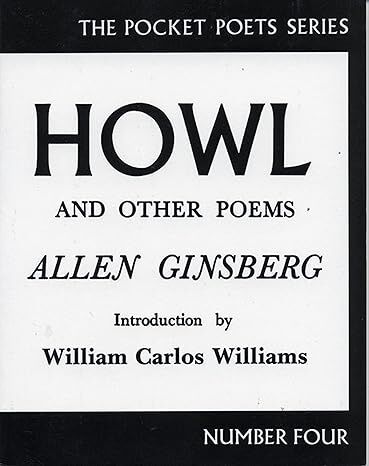
“Howl” was a collection of poems by Allen Ginsberg that was published in 1956 and became one of the most controversial works of literature in history. The first shipment of books to the United States was seized by U.S. Customs. The publisher was arrested for distributing obscenity. In time, Ginsberg’s critique of consumerism, militarism and “old-fashioned family values” helped lead the anti-establishment era of the 1960s. — Cameron Quan
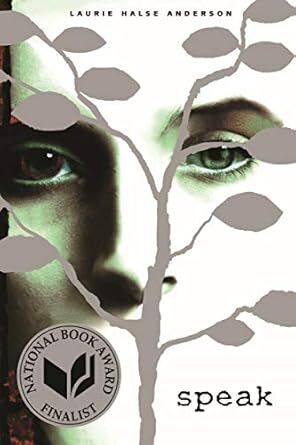
“Speak” by Laurie Halse Anderson is the story of a high school student whose recent rape has pushed her into a silent shell. Thanks to a small but insistent group of friends, she learns to reclaim herself and fight back against those who want to silence her. — Tricia Clapp
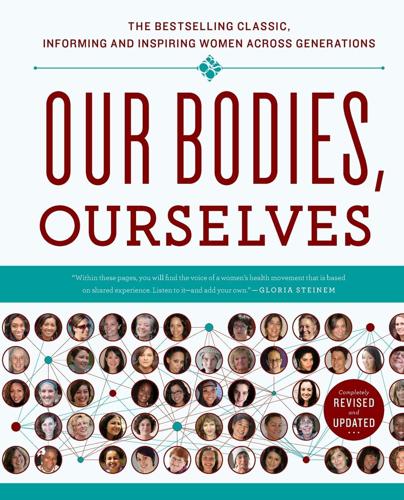
“Our Bodies, Ourselves” from the Boston Women’s Health Collective is a comprehensive health book that uses plain, non-judgmental language to help women understand their own bodies. — Jennifer Casteix

Footnotes
- Loft Cinema will celebrate Banned Book Week by screening the local debut of “The Librarians” on Tuesday evening, Oct. 7, at 7:30. The documentary expands on Amanda Jones’ 2023 book, “That Librarian,” which describes her battle against censorship proponents in Louisiana. For tickets, visit loftcinema.org.
- The Brooklyn Public Library is giving access to banned books for young adults across the United States. For additional information about Books Unbanned, visit bklynlibrary.org.
The top stories from Sunday's Home+Life section in the Arizona Daily Star.