There are plenty of questionable twists and turns in the first two-thirds of “Reminders of Him.” But then, in the last third, Lauren Graham has a couple of moments that will make you realize she’s much more than one of the “Gilmore Girls.”
She plays a hard-nosed grandmother trying to keep her granddaughter from meeting her mother, a woman who spent seven years in prison because she was behind the wheel that led to her boyfriend’s death.

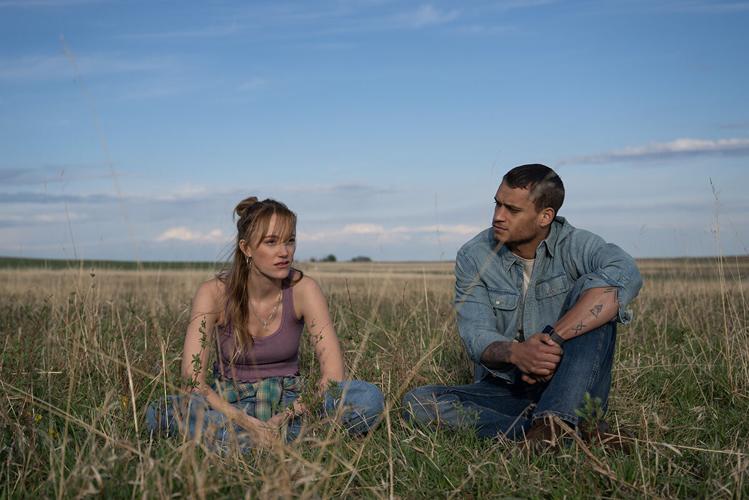
Maika Monroe, left, and Tyriq Withers in "Reminders of Him"
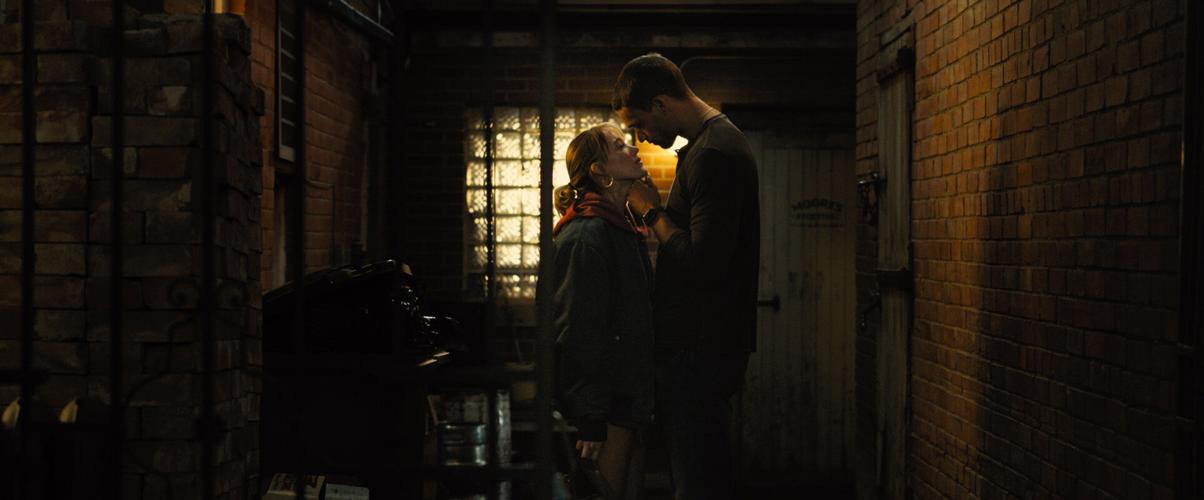
When Kenna (Maika Monroe) comes back to her small town, she can’t find work, can’t locate an old friend and, certainly, can’t get in to see her daughter (Zoe Kosovic). A bartender (Tyriq Withers) helps with the job and, gradually, realizes she’s not the villain she has been made out to be.
Romance blossoms and plenty of stories get flashbacked until we realize it’s time for the reunion.
People are also reading…

Maika Monroe, left, and Tyriq Withers in "Reminders of Him"
And that’s where Graham, and the film, shines.
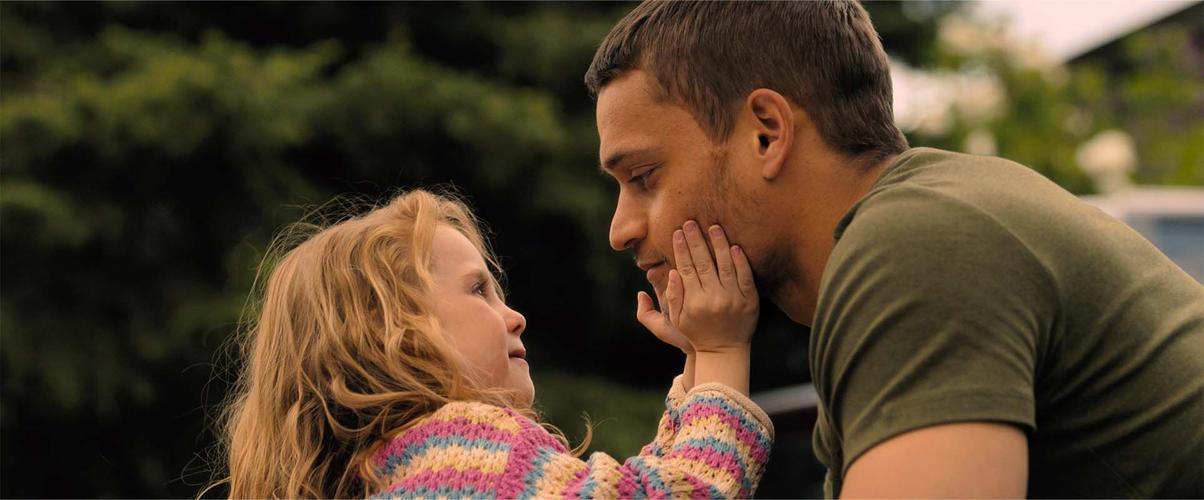
Director Vanessa Caswill goes through the motions for the most part, then gets an incredible performance from Kosovic, who makes every moment realistic and heartfelt. She cuts through Graham’s shell and gives her a reason to drop the façade.

Zoe Kosovic, left, and Tyriq Withers in "Reminders of Him."
“Reminders of Him” has some of the surprise of “It Ends With Us,” another film based on a Colleen Hoover book. Hoover, however, wrote the screenplay for this one and handles dialogue nicely, even when the premise is flawed.
Withers is particularly good, letting barriers down as he recalls his late friend. He’s a good go-between, too, and brings out a humanity in Monroe that goes beyond dishwashing.

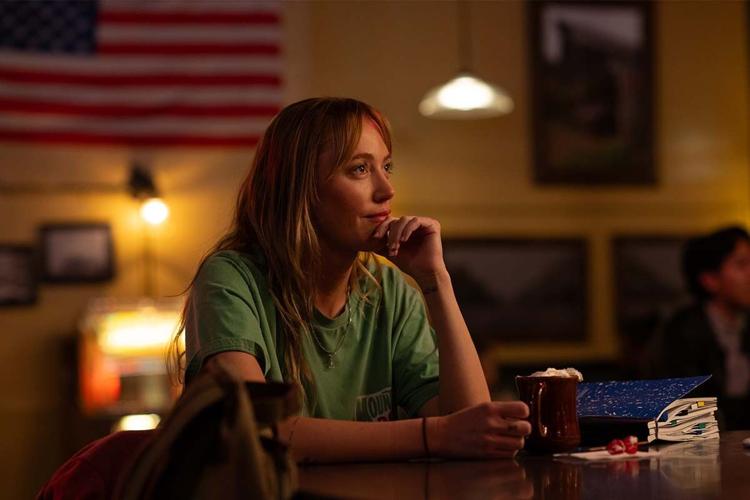
Maika Monroe stars in "Reminders of Him."
While much could have been accomplished from the start, “Reminders” stretches the story to the breaking point. Thankfully, a stern Graham shows up and gets the snap back.

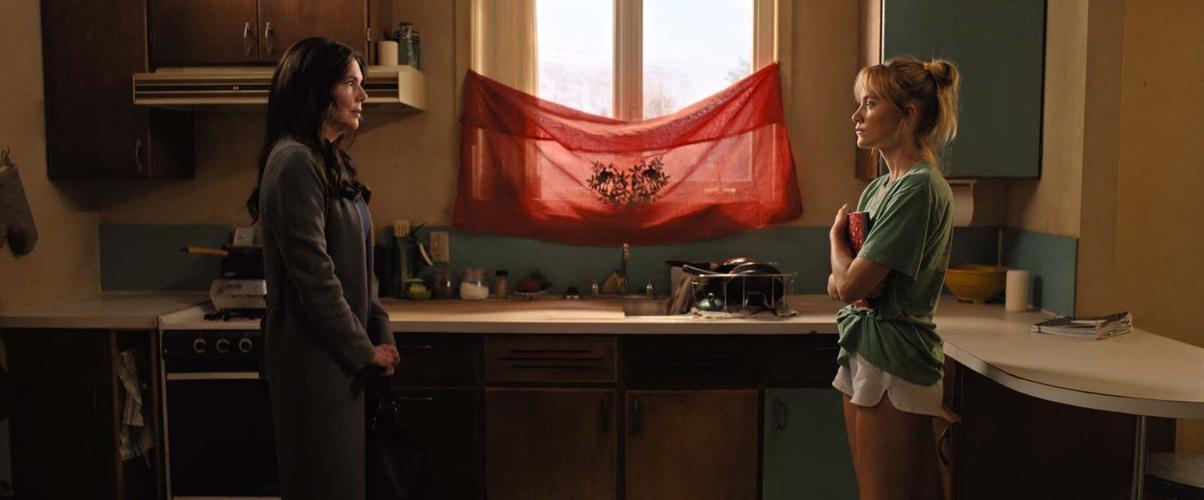
Lauren Graham, left, and Maika Monroe are at odds in "Reminders of Him."
The final scenes require Kleenex and excuse almost all the moments leading up to them. But there’s still a nagging fear that the film didn’t need all the “really?” moments to sell the big cry.