Rodents just don't have that hot Hollywood cachet. But maybe they should.
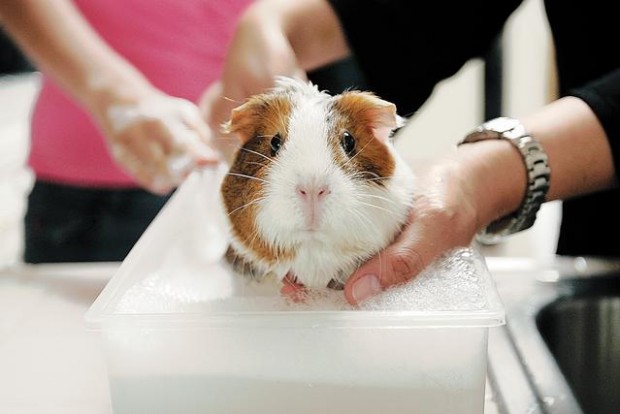
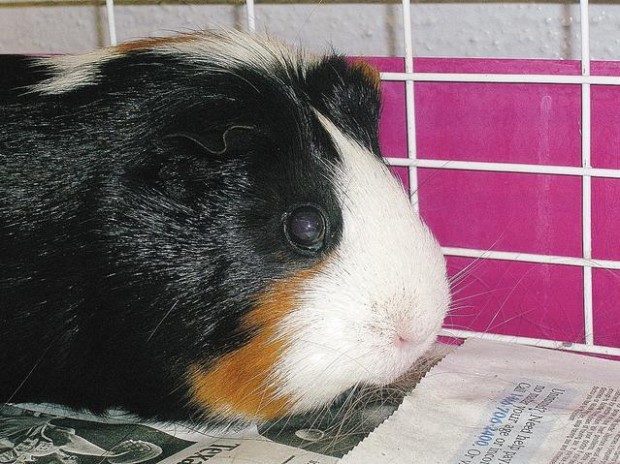
Guinea pigs can have naturally elaborate hairdos and don't complain about munching plain lettuce for lunch.
Hamsters don't go in much for fashion — no need to accessorize when you have cheek pouches. But they love to "ham" it up on the red carpet (and then shred it and make it into a nest).
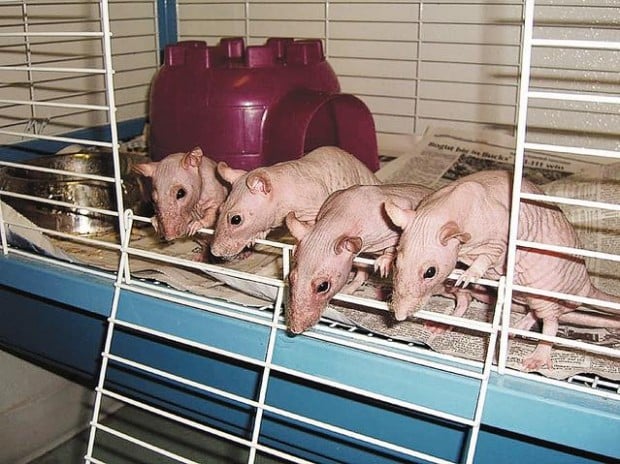
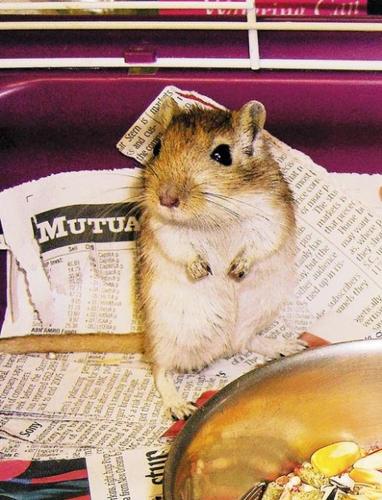
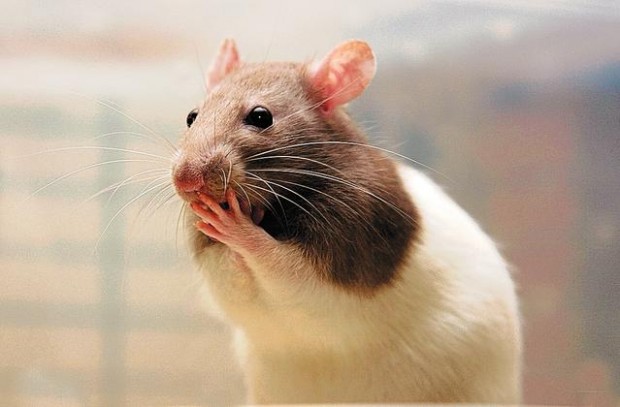
Mice are very personable, rats are quite social, and gerbils like the night life.
At least one rodent, however, has its own month. March is National Adopt-a-rescued-guinea-pig Month. But why limit the month to guinea pigs?
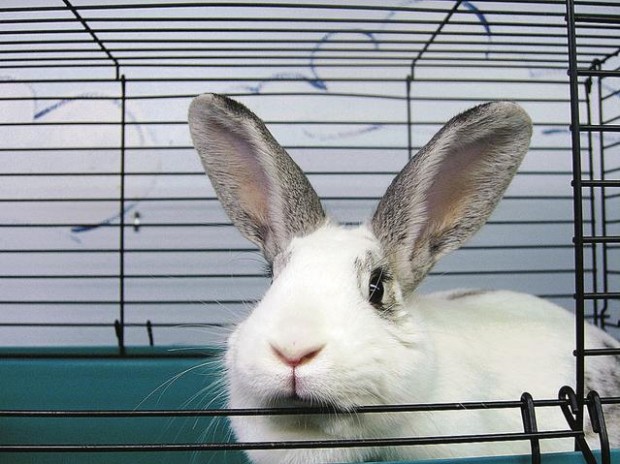
The Humane Society of Southern Arizona opens its doors to rodents and rabbits — which are not rodents, but lagomorphs more closely related to horses — as well as dogs and cats. They also take in reptiles, birds and even goats, although they usually send the exotic pets to specific animal rescue groups better equipped to handle them.
People are also reading…
Rodents and rabbits have their own, special charms. They get to know their people, they have likes and dislikes, and can be more entertaining than television.
"You have to appreciate that they're a different kind of animal," said Jewel Waldrip, of the Humane Society of Southern Arizona, who has adopted several rats. "They all have different personalities. Some are outgoing and social, some are quieter. They really are individuals, and if you handle them a lot, they really are really affectionate."
Leticia Hill's family bought their first guinea pig — a tan-and-white female with a "fiesty attitude" named Tamera — at a pet store. Eliza Escobedo, one of Hill's daughters, wanted a puppy; the compromise was a guinea pig.
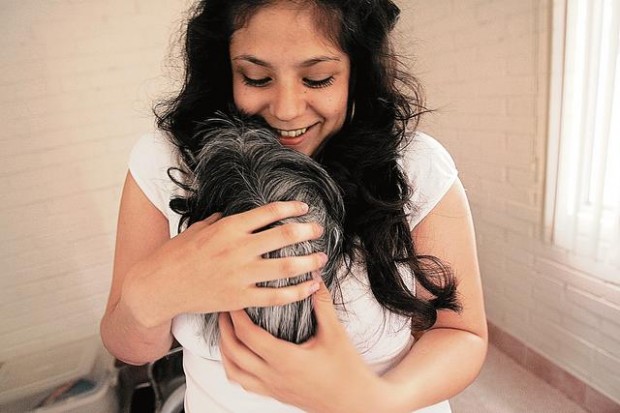
But then the family found out there were guinea pigs at the Humane Society who needed homes. "We wanted another piglet, and we thought it would be nice to adopt instead of buying a new one," Hill said. And so Wilhelmina — Willow for short — joined the household last year.
"She's long-haired, she's got long, gray hair, with black and silver. She looks like a willow tree, and like a little skunk. She's beautiful," Hill said.
Hill found the allure of guinea pigs hard to resist — she loves how they holler "FWEEP! FWEEP! FWEEP! FWEEP!" when they hear the fridge door open and how they look forward to hanging out with the humans. She recently went back to the Humane Society, planning to adopt two more, but then saw a group of three piggies in one cage.
"If somebody didn't take them — I couldn't handle that thought," Hill said. "We were going to adopt just two, but I had my daughter with me and we felt we could not break up the family."
So now the herd includes Pumpkin, a burnt-orange guinea pig; Lola, an orange-and-white pig whom Hill describes as a "big flirt" who likes to give kisses; and Bailey, who is red and white. The guinea pigs live in the family's Arizona room. They have cages, but the family takes them out to play every day and let them run around.
Hill isn't shy about her love of guinea pigs.
"People at work think I'm nuts because I have pictures all over the place. I talk about them more than I talk about my kids," she said, laughing.
Rodents and rabbits often end up at the Humane Society because people were taken in by their cuteness at a pet store and made a spur-of-the-moment decision to bring home a new member of the family, only to realize that rodents need care, too.
"They reach the point of getting tired of cleaning the cage or of the whistling and squeaking when you come in the door," Waldrip said.
Shortly after Easter seems to be a busy time for incoming rabbits, as is the end of the school year, when classroom pets are sometimes given up, Waldrip said.
Rodents have considerably shorter life spans than dogs or cats — many live one to three years — but Waldrip said it still takes a commitment to adopt a rodent or rabbit. "For one thing you're saving an animal that someone else has had, a secondhand animal that was essentially abandoned — you're literally saving the animal's life," she said.
Waldrip urges parents to resist the temptation to let pets, especially rodents, have babies.
"I think they think it's nice to have a male and female, a nice little couple, and they don't realize how many babies they can have," she said. "A mother will say the kid got two at the pet store and then they had 29."
Jack Wolfman wasn't planning to adopt a guinea pig when he stopped at the Petco store on the East Side one day about a year ago. He saw a small guinea pig in a cage with a sign that read "please adopt me." Something about that guinea pig named Charlie, who has grayish-black, silky satin fur and blue eyes, caught his fancy. Wolfman walked his bike home, with his new companion — renamed Chi Chi — under his arm.
Now Wolfman also has Chiclet, Arnold (a husky guinea pig named after Arnold the pig of "Green Acres" fame, and Arnold Schwarzenegger), Anita, Honest Abe (after the legendary president) and April.
"I've just really enjoyed them, and they're so cuddly," Wolfman said. "These almost feel like dogs, without the responsibility of walking them."
Call for adoption
● The Humane Society of Southern Arizona, 3450 N. Kelvin Blvd., often has a number of rodents and rabbits available for adoption. Call 321-3704 ext. 106 or go to www.hssaz.org for more info.
Rabbits
● Two spayed female rabbits are available. Rabbits are spayed before they're adopted and cost $15-$25.
Gerbils, hamsters and guinea pigs
● Three female and four male gerbils are available now. Gerbils, hamsters and guinea pigs cost $5 to adopt.
Rats and mice
● One male albino rat is now up for adoption. Rats and mice cost $5 to adopt.