

Volunteer chaplains needed:
There will be a nine-session training program for prospective volunteer hospital chaplains beginning Oct. 8. Applications are due by Oct. 1 and registration is $150. For more information, call 694-6826 or e-mail wtilley@umcaz.edu
.
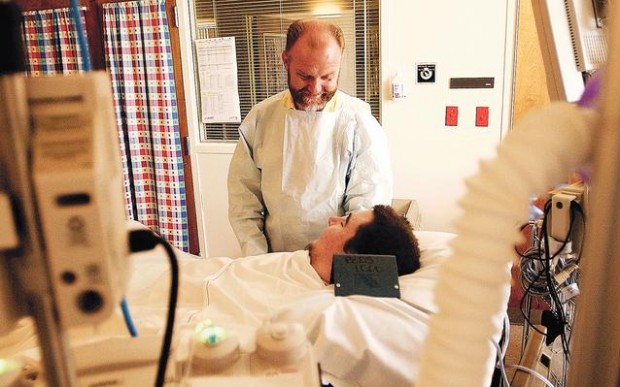
Listening is key, says Carolyn Bennett, one of UMC's 12 volunteer chaplains
Carolyn Bennett read about UMC's budget cuts in the newspaper four years ago, went through the hospital's volunteer chaplain training program and has been working as a volunteer chaplain since. She typically works four hours each week.
"Every time I go to the hospital, I wish to myself that there were more chaplains," said Bennett, a retiree with 19 grandchildren. "I think some people think it must be depressing. Occasionally, you get caught up and you feel bad, but most of the time I find it inspiring."
People are also reading…
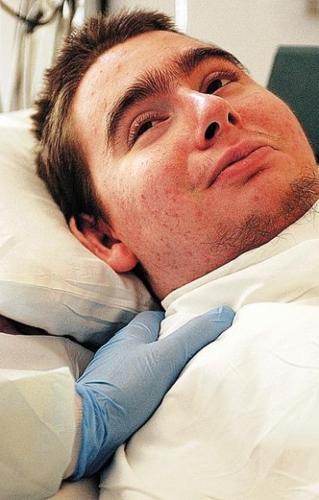
Bennett is working in UMC's cardiac ward now, where she frequently visits with transplant patients and their families. She said every patient is a mystery - you never know when you walk in the door what you will find. Typically, she finds courage and faith. Though she is Presbyterian, Bennett stressed that chaplain work is not about any specific faith.
"Listening is the key. People are lonely and fearful, and oftentimes no one has time to sit and listen to their concerns, problems and fears," she said. "Anyone who can listen, and who has faith, could do it."
The Rev. Joe Fitzgerald, one of UMC's 3 full-time chaplains, finds surprises in job
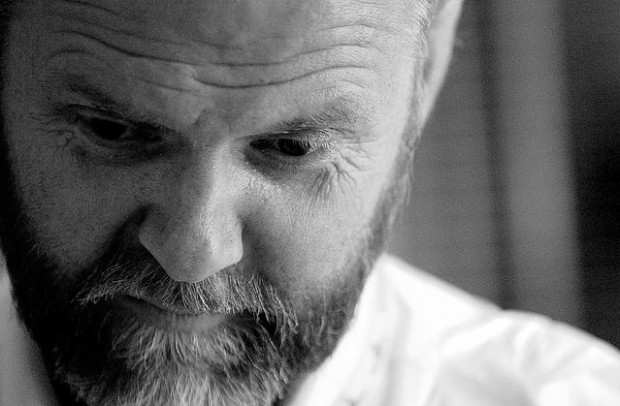
One thing that has surprised the Rev. Joe Fitzgerald since he became a full-time UMC chaplain July 9 is how many trauma patients come into the hospital without identification.
"One of my jobs is trying to contact the family, and I've been amazed at how many patients don't carry identification or information about who to contact," said Fitzgerald, 49, a Dominican Roman Catholic priest who once was associate pastor at Sacred Heart Catholic Church, 601 E. Fort Lowell Road. "My first job in trauma is to identify patients, and I was really surprised at how difficult that can be."
The job can be challenging, Fitzgerald said, but hope and happy endings are as common as the sadness he encounters.
"You see patients you never thought would open their eyes after major head injuries walking around and talking," he said. "You do see the positive side, and I think the nurses and doctors here really work as a team, so that is positive, too."
Hospitals certainly can get by without chaplains, but Fitzgerald says they shouldn't.
"A spiritual connection makes a big difference," he said.