
Liberation
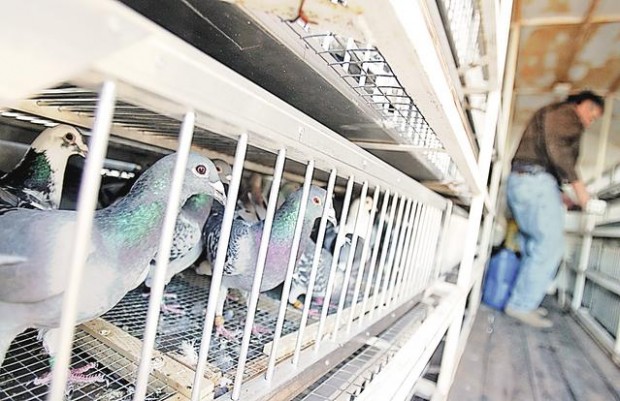
In the crisp morning air, a trailer hauling 600 to 700 racing pigeons flies down an empty Interstate 10 before pulling into a parking lot at a rest stop in Lordsburg, N.M.
The engine is cut, and the only sound heard is the cooing of the pigeons and their flapping wings. Dennis Woblick, called the liberator because he has been hired to transport and liberate the birds, waters them. Few drink. They seem nervous, filled with anticipation.
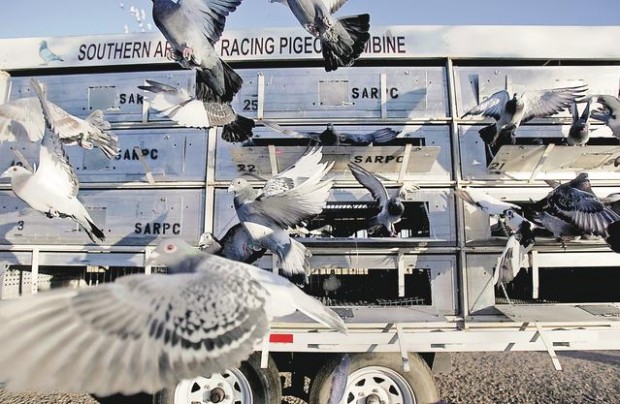
Then the doors of the compartments on the trailer drop open, and wings fill the air as the birds take flight. They circle three times to warm their muscles and get their bearings and then they are off. The race is on.
These young birds are part of a community of pigeon racers in Southern Arizona. Young-bird season started in early October and ended in mid-December for the Tucson Desert Invitational, a pigeon-racing club in Tucson. They are part of the Southern Arizona Racing Pigeon Combine. The combine includes four different groups from around the region.
People are also reading…
Getting ready
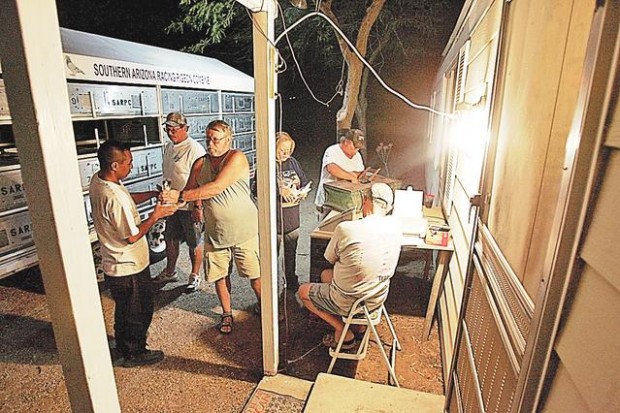
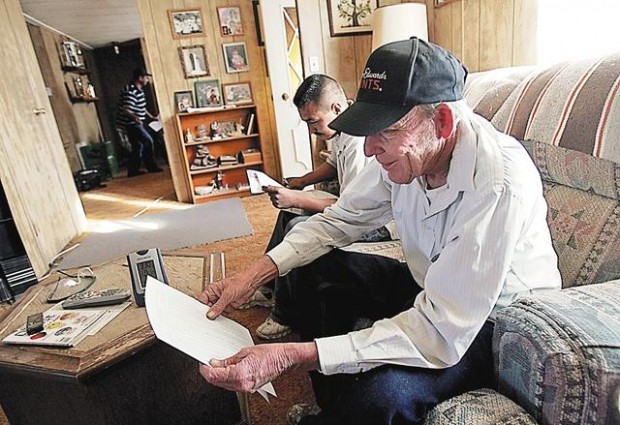
On a Friday night before a race, a single bulb illuminates a group of about a dozen members gathered at TDI secretary Bill Fredrick's house. They are there to scan the birds' identification bands — wrapped around each bird's leg — into a computer and to load the birds into a trailer. The members laugh and rib one another as they prepare the birds for the next day's race. In the morning, the pigeons will make the trip to a predetermined location and be released.
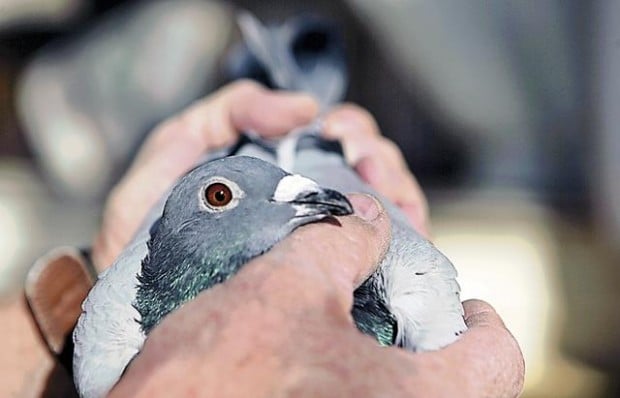
Home is imprinted in the racing pigeons in the first few weeks of their life, enabling them to find their way back over long distances. How they actually do this is still a mystery to humans.
The birds can fly only during daylight because they don't have night vision, and with each race the mileage is increased by 50 miles. This helps train the birds physically and mentally. "We gradually increase the miles so we don't overtax them. Like most athletes, they have a regimen that they're on," said combine President Mick Claves.
Training helps the birds learn to navigate, and it gets them into physical condition to compete in the races. "Young birds on the course will average about 45 miles per hour," said Claves. "The birds will cover the distance far faster than the liberator can make the trip back to Tucson."
TDI members range in age from 8 to the mid-80s. All had the goal of developing their birds to home the fastest from the farthest release point, 100 miles east of El Paso.
Coming home
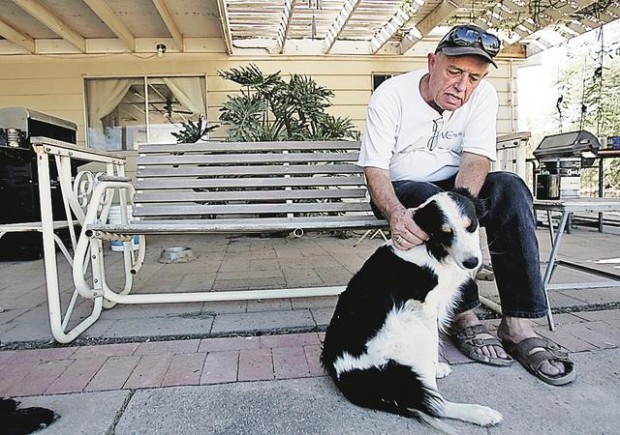
Bill Fredrick sits in his backyard the day of a race and pets his dog, Reyna, drinking coffee while keeping an eye skyward. A single pigeon flies in over the horizon. Minutes later his phone rings. It's another member of the group calling to see if he's got a pigeon home yet.
It will take several hours to really figure out whose bird won, but Fredrick is just glad to see the birds he's raised since birth made it back safely.
"I find it fascinating to watch these birds come home after they've flown several hours, 200-300 miles, and they find their way home. It still gives me a thrill to watch them come home."
These birds are born to race
Get involved
For more information about how to get involved in homing pigeon racing, contact Bill Fredrick at 818-8020 or e-mail him at ivanhoe43@comcast.net.