

Access Tucson isn’t in the running for city money for a new Community Media Center — because it missed the application deadline by 15 minutes.
The nonprofit Access Tucson was funded by a city contract paid from cable television companies’ licensing fees. After years of deep city budget cuts, and as the city moves to a new model for delivering media, the group only had enough money to operate through the end of June.
The city entirely cut funding for Channel 20, known as Access Tucson, or for Channel 12, known as the City Channel, in this year’s budget. In its place, the city issued a request for proposals (RFP) for a Community Media Center, which would bring both channels under one management contract.
Proposals were due June 23.
Access Tucson saw the RFP as a lifeline, telling supporters “there is very little chance of our survival” without it. It rallied supporters to protest at City Council meetings, but then it failed to submit a proposal on time.
People are also reading…
Access Tucson director Lisa Horner said the group tried to submit a proposal but it was 15 minutes late and the packet wasn’t accepted.
Several other groups submitted bids and the evaluation process is underway.
Until a Community Media Center contractor is chosen, the city is paying Access Tucson $12,500 a month as bridge funding, said city spokeswoman Lane Mandle.
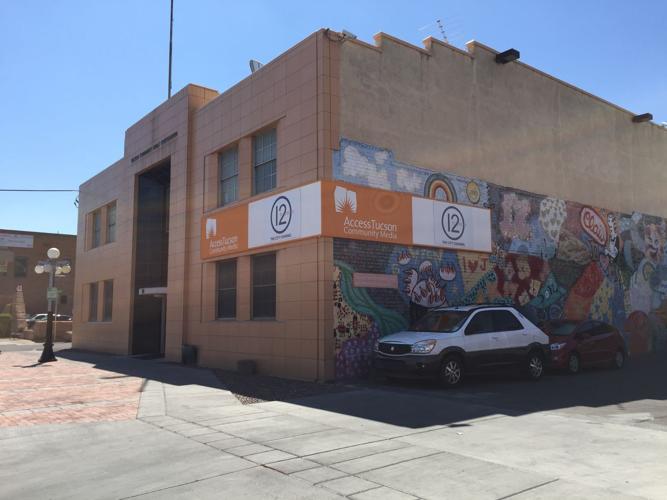
The city hasn’t made any decisions yet about what to do with 124 E. Broadway, where the television stations are housed, she said.
What’s next for the 31-year-old public access station is not clear.
The chair and vice chair of the Access Tucson board of directors have quit, which was a blow, Horner said.
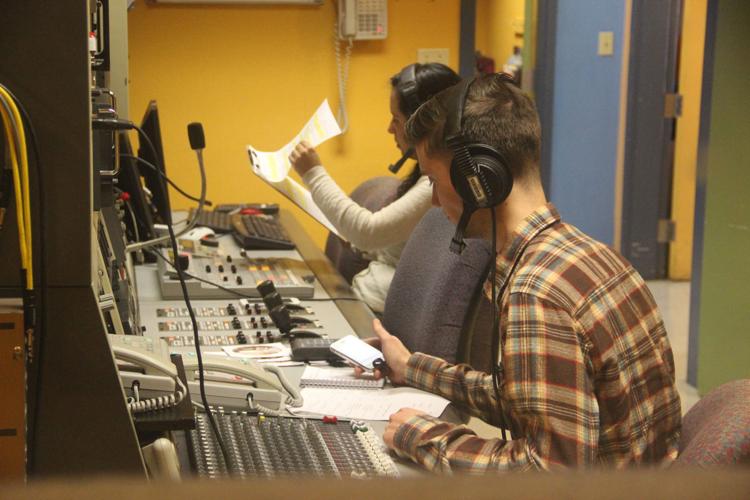
For now, Access Tucson is programming Channel 20 with independently produced content but isn’t providing studio production support. Horner criticized the city’s RFP, saying the new Community Media Center model eliminates community voices and turns the station into a public relations vehicle for the city government.
But as the city kept cutting funding, Access Tucson didn’t fill in the funding gap with grants, donations or other fundraising.
Access Tucson’s new board president, Glenn Wolfgang, said a fundraising program was in the works when the city pulled the plug on the group and sent the board into survival mode.
The city’s request for proposals described the Community Media Center as a company that could produce public access shows, broadcast City Council meetings, offer media skills training and do marketing for the city.
The city plans to provide startup funding of up to $300,000 a year for two years and then contract with the center for specific services after that.
The city brings in about $3.5 million a year from cable television companies in licensing fees, which is reflected on cable subscribers’ bills.
When the licensing agreement was first made, most of the fee revenue went to the public TV stations. Now most of the money goes into the city’s general fund.
Access Tucson will focus on moving to an Internet platform, Wolfgang said, but that won’t provide the same exposure for independent producers that Access Tucson has provided in the past.
Access Tucson could also continue offering digital production services for local charitable groups, although services that were free will now be paid.
“Access Tucson will never be what it has been in the past,” said Access Tucson board member Lisa Jones. But she hopes the next group does a great job with public access because it’s important to the community.
Contact reporter Becky Pallack at bpallack@tucson.com or 573-4346. On Twitter: @BeckyPallack

Becky Pallack
Product manager


