

After years of cutting funding to local public television stations, the city is trying to get out of the TV business entirely within a few years.
There is no money for Channel 12, known as the City Channel, and Channel 20, known as Access Tucson, in the city manager’s draft budget for next fiscal year.
Instead, the city posted a request for proposals Wednesday seeking a contractor to run a Community Media Center, which would include one management firm for both stations.
“We have been reducing the staffing in Channel 12 for years now, and we’ve pretty much eliminated the staffing except for two people and some temporary workers,” interim City Manager Martha Durkin told the City Council at a recent meeting.
The city has also been slashing money for Access Tucson, which is down to one full-time employee and a few part-timers.
People are also reading…
In addition to running the two TV channels, the Community Media Center would:
- produce and broadcast the City Council meetings,
- work with the city’s Economic Initiatives Office to produce ads to air in neighboring states, marketing Tucson as a business destination,
- and offer a media job-training program.
The city wants to provide startup funding of up to $300,000 a year for two years, which “would still be within our budget,” Durkin told the council.
After two years, the city would contract for services with the Community Media Center.
Proposals are due next month.
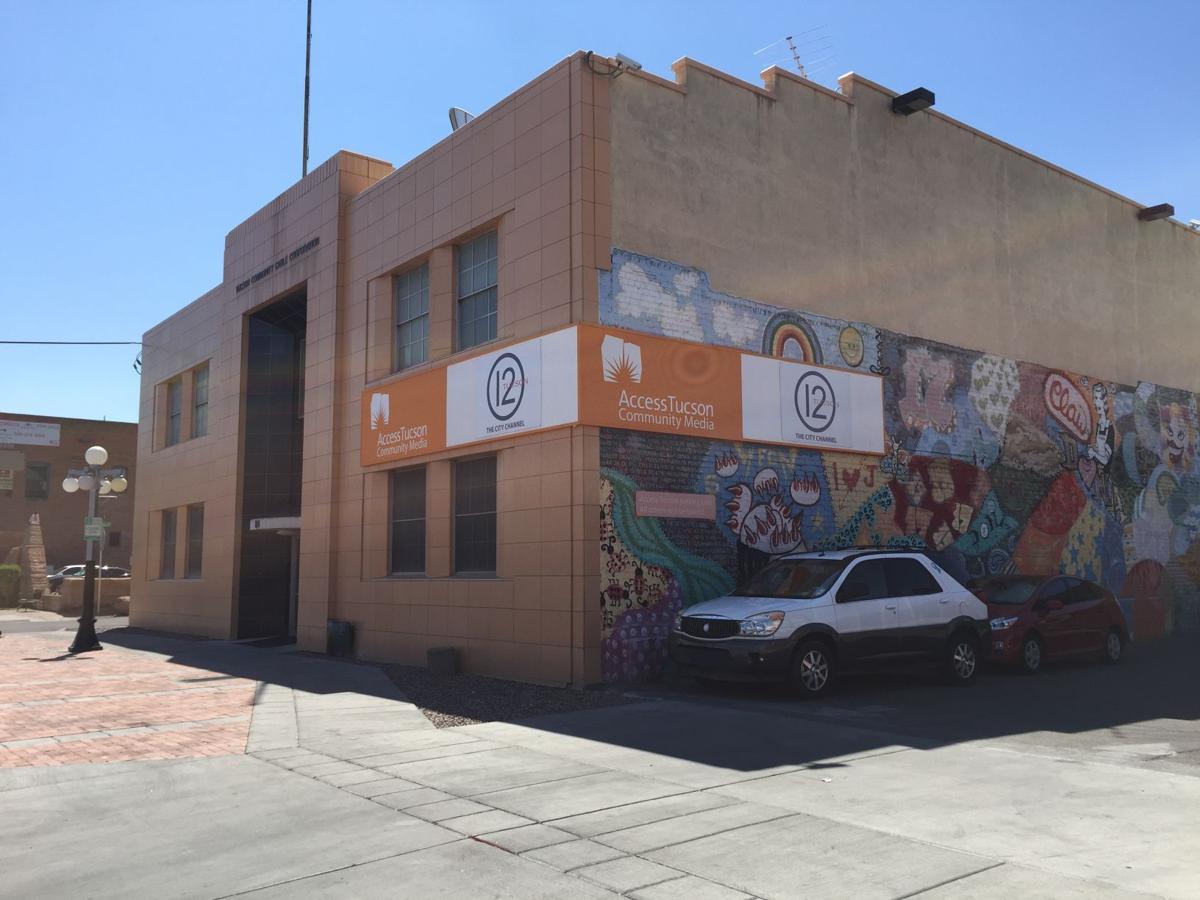
The two channels already share studio space at the Tucson 12 building, 124 E. Broadway, in downtown Tucson, and the contractor could use the space and the city’s media production equipment.
Talks of a merger for the two channels have been going on since at least 2007, and at various times included KUAT, KXCI and TUSD-TV among others, but the efforts fizzled out each time.
Access Tucson, an independent nonprofit, receives no taxpayer support. The $150,000 paid to the station by the city this year comes from the $3.5 million paid to the city by cable television companies in licensing fees, which is reflected on cable subscribers’ bills.
When the licensing agreement was first made, most of the fee revenue went to the public TV stations. Now most of the money goes into the city’s general fund.
Access Tucson has cut staff and services as the city cut its contributions — and the group sees the RFP as a lifeline.
The group will submit a bid for the contract, but without the contract “there is very little chance of our survival,” Access Tucson board members said in a Facebook post.
Access Tucson is the logical partner for the city’s Community Media Center, board chair Joan Hall told the Star, and it would mean an exciting new beginning for the 31-year-old public access station.
Contact reporter Becky Pallack at bpallack@tucson.com or 573-4346. On Twitter: @BeckyPallack

Becky Pallack
Product manager


