

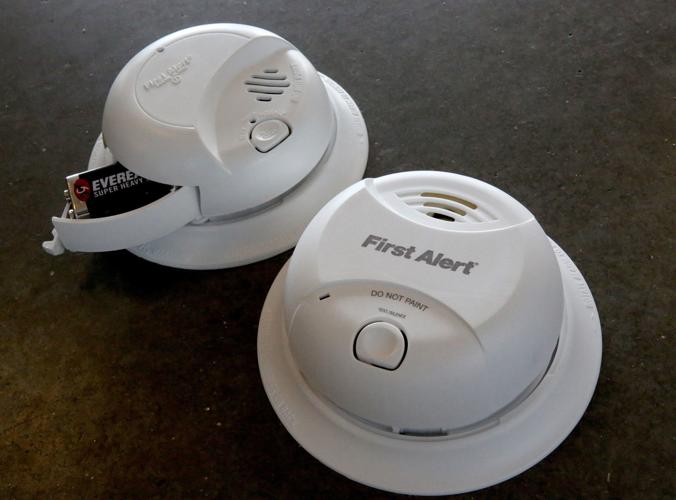
The Tucson Fire Department is encouraging fire prevention and safety in October, and one of the most important items in the home to keep families safe is a properly working fire alarm. It’s that time of year where we hunker down and tightly seal off our homes to protect ourselves from the elements.
Smoke alarms are especially important when we sleep, says Jessica Nolte, a Tucson Fire Department spokeswoman, because that is when our senses are diminished. Here are five questions and answers about home smoke alarms:
1. Why is it important to have a working smoke alarm in the house, and how often should it be tested?
Set a time once a month to test the alarm, even the hard-wired alarms. Keep in mind that alarms do not last forever. Some have a feature that will make it chirp when it has reached the end of its life. Check your alarm for the manufacture date, make sure it’s still operational and familiarize yourself with its features, Nolte said. Make sure the sensors are clear of dust and the batteries are working. Also, it helps to get used to the sound of the alarm. Families should also take this time to review any safety plans should there be a fire in the house, like setting a family gathering spot.
People are also reading…
2. What type of smoke detectors are available ?
Smoke-alarm options can be overwhelming. There are hardwired and battery-powered detectors; hardwired and interconnected; ionized and photoelectric detectors; alarms that talk and some that have lights; some that come in combinations of two or four or more; and others that are a combination smoke and carbon monoxide alarm. That said, be sure to look on the packaging for nationally recognized testing labs with logos such as UL, ETL and CSA that have done the research on different detectors and have set standards for efficiency, Nolte said. There are some questionable alarms on the market, but generally, all alarms perform the same. “It’s a matter of trusting where you are buying your alarm and that it has one of the laboratory seals that says this product is up to par,” she said.
3. Who is responsible for smoke-alarm installation and maintenance in rental properties?
Arizona law says smoke detectors must be installed in housing units, Nolte said. “It’s the landlord’s responsibility to provide a smoke alarm in single-family dwellings,” she said. “But the landlord and tenant must come to an agreement on the maintenance and testing of an alarm.” When it comes to repairing or replacing an alarm, it is the responsibility of the landlord if the tenant notifies them of the need for replacement.
4. Where in the home should a smoke alarm be installed, and how many should there be in each home?
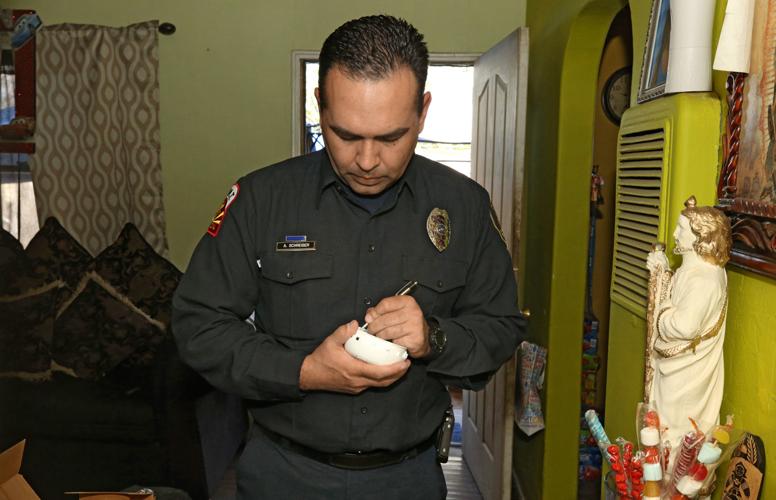
Alarms should be placed on every floor or level of the home including a basement or even an attic if it has been converted into a living space, Nolte said. There should be alarms in living rooms, family rooms, in the hallways and inside each bedroom. In the case of a multistory building, there should be one on a stair landing but make sure they are placed at a height that still allows maintenance. Keep alarms away from HVAC vents that pull air back into the heating and air-conditioning system and away from an open door to a bathroom or an overhead fan. Smoke alarms should be placed on the ceiling or as close as possible to it because that is the path smoke will travel in a house. New alarms last an average of 10 years, Nolte said. Labeling the alarm with a permanent marker is good way to remind yourself of the alarm’s age.
5. Does the Tucson Fire Department offer free smoke alarms to residents?
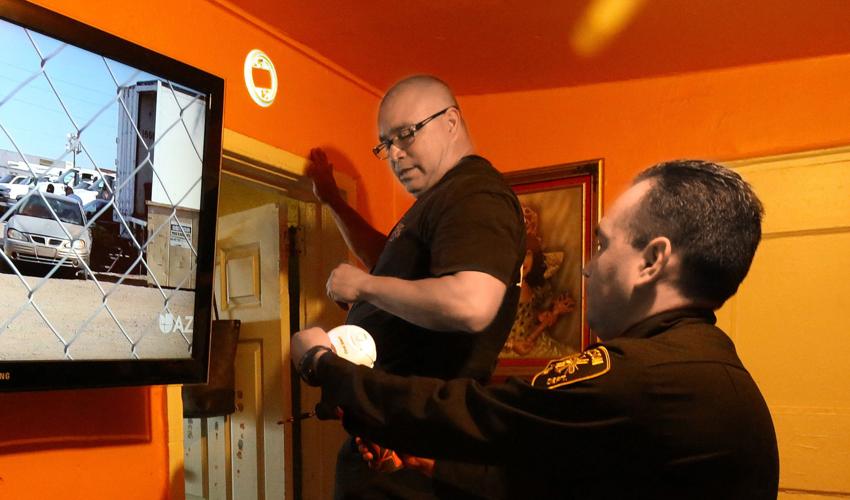
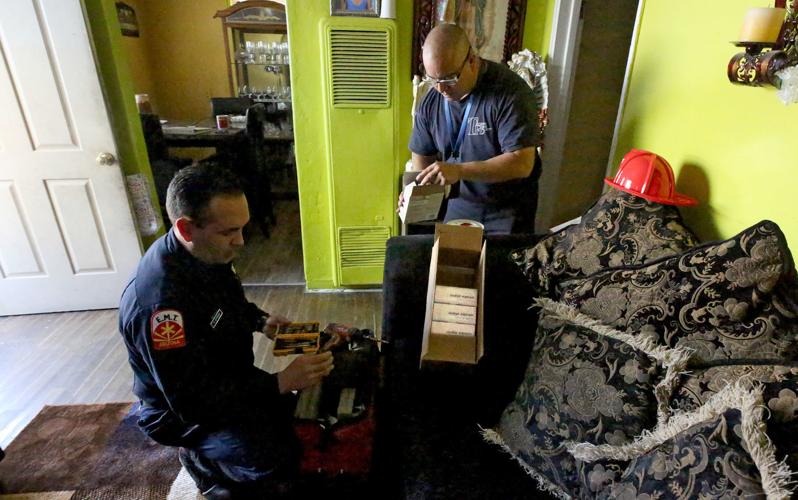
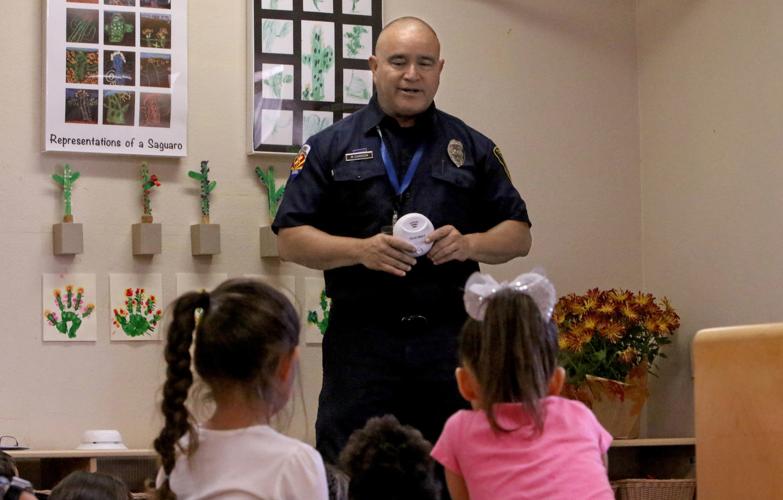
Free smoke alarms are available through the Fire Department, mostly based on financial need, Nolte said. “We also work with our community partners, such as some schools, the Pima Council on Aging and those that the educators identify when they are talking to the public.” To inqure about smoke alarm installations, call 520-791-4512 during regular business hours.