
You might assume the coach of your kids’ municipal sports team has been vetted for criminal history.
But what you might not know is that long waits for fingerprint processing mean it could take weeks — even the team’s whole season — before the background check is done.
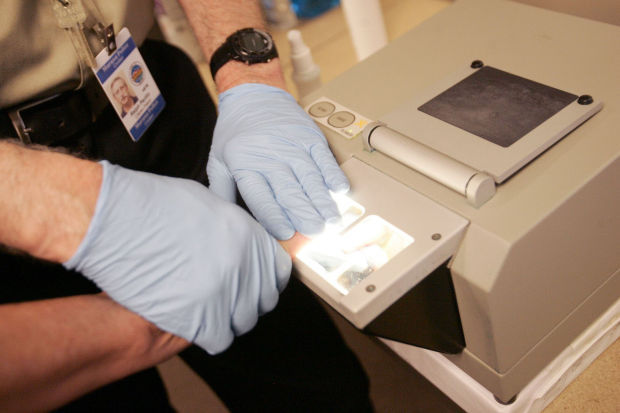
Local cities and towns use fingerprints to check the backgrounds of new employees and volunteers who work with children. Some are changing their policies for working with the Arizona Department of Public Safety, which processes fingerprint clearance cards.
The turnaround time for a fingerprint card is six to eight weeks, said Jane Fairall, Marana deputy town attorney.
That’s too long, she said. In the case of seasonal workers, such as youth sports coaches and officials and lifeguards, the season can be over before the town gets the results back from DPS. Meanwhile, the person would have been working with children.
People are also reading…
The town used a backup check system for employees, but not for volunteers or contract workers.
“Fortunately we haven’t had one come back where we said, ‘Oh my gosh, we shouldn’t have had that person here,’ ” Fairall said.
Rather than risk it, the town is changing the way it does background checks. The Town Council last month approved a plan to use a speedier system that checks a person’s criminal record using a Social Security number instead of fingerprints, with results available within a few days.
The city of Tucson made changes about a year and a half ago.
The average turnaround for a fingerprint clearance card from DPS is four to six weeks, so the city has added up to two months to the hiring timeline for some positions to allow extra time for the background check, said city spokeswoman Lane Mandle.
DPS administrative services manager Joseph Cesko said the clearance card process takes less than 10 business days, including a state check, an FBI check and paperwork processing.
But that’s for someone with no criminal history. What slows the process down is a second phase of checks for anyone with any kind of criminal history. Court records may not be complete, and calling courts to verify information or research the circumstances of a criminal charge takes time.
DPS Capt. Steve Enteman said his agency strives for good service and adds staff hours when a backlog builds in a busy time, especially in summer when school districts and other agencies submit a high number of applications to be checked. But due diligence does take time, he added.
DPS was on track to process more than 145,000 fingerprint cards last year.
Oro Valley spokeswoman Misti Nowak said fingerprint clearance typically takes two to four weeks, but can take up to six. New hires and volunteers can begin work before the paperwork comes back, she said, and the town has no plans to change its protocol.
Parents aren’t being made aware of the delays, said Sonda Gilbert, whose children play on municipal sports teams in Oro Valley. She would object to coaches and others working with children before they’ve been cleared because she wants assurance that her kids are playing in a safe environment.
In Sahuarita, the town’s day-care workers’ fingerprints were checked through the federal Department of Homeland Security, but now the town is switching to the state Department of Public Safety.
It takes a couple of weeks for the process to wrap up, but the town pairs a new hire who is not yet cleared with another employee who is cleared, kind of like a chaperone system, said human resources director Debbie Bice.
Pima County typically can do a fingerprint check in just a couple of days using private firms CA Criminal Investigators and Securitech or the sheriff’s department. Checks that go through DPS usually take just a few days, said human resources director Allyn Bulzomi.
Enteman said working with DPS is the only way a municipality could get accurate and thorough background checks, because access to criminal history information is highly regulated. Searches that use names, birth dates and Social Security numbers aren’t enough, Cesko added, because those pieces of information can be falsified, while fingerprints can’t be.
“The department has not seen any trend of public agencies moving away from fingerprint-based background checks,” Enteman said in an email. “In fact just the opposite, more and more entities recognize the value of these checks and seek to submit records to us.”
Reporters Patrick McNamara and Darren DaRonco contributed to this report. Contact reporter Becky Pallack at bpallack@tucson.com or 573-4251. On Twitter: @BeckyPallack

Becky Pallack
Product manager