

The following is the opinion and analysis of the writer:
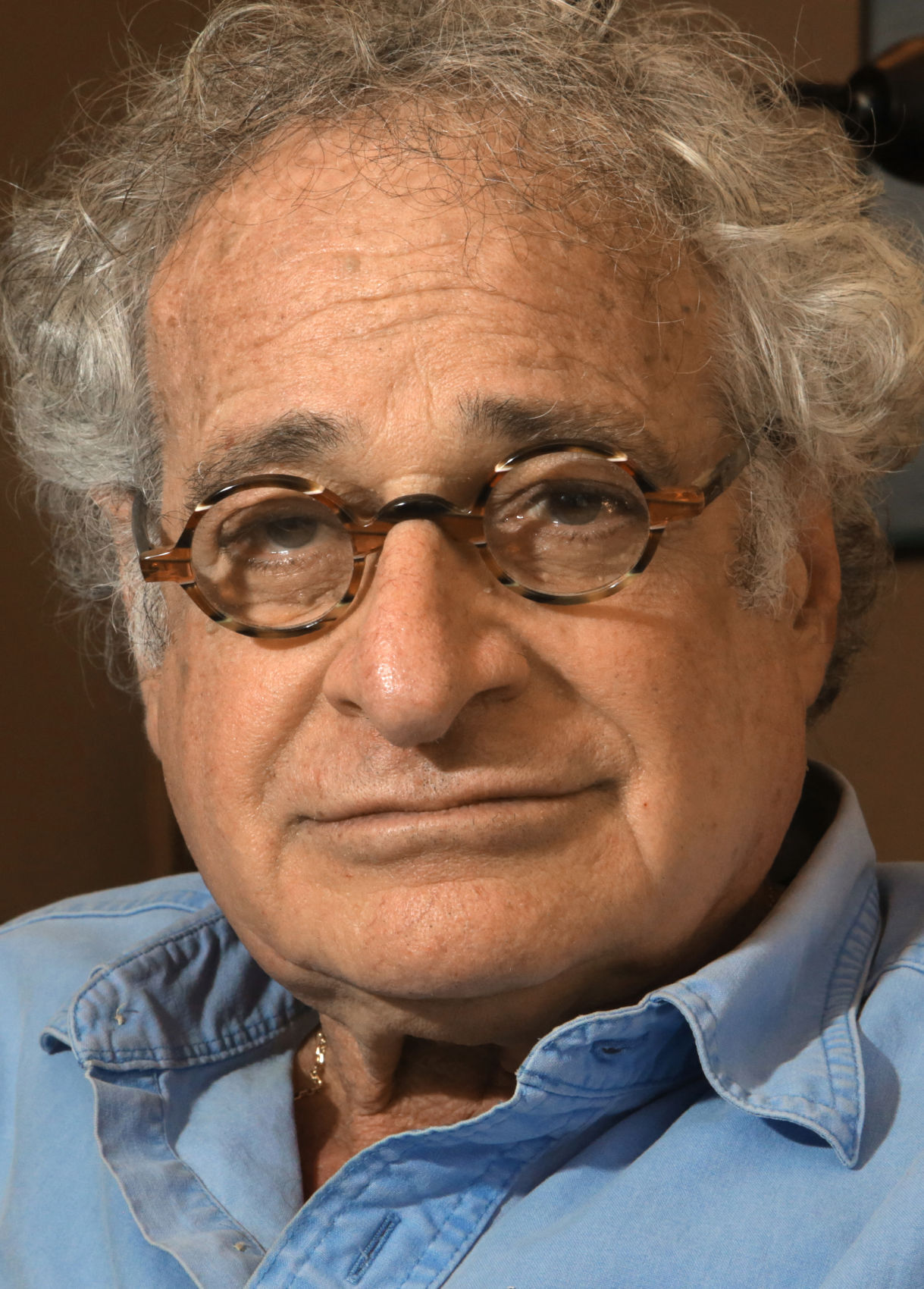
Mort Rosenblum
PARIS — Feet to the fire, I’d say my favorite parts of a wondrous world I’ve crisscrossed for most of a long lifetime are the Sonoran Desert, where I grew up, and the sub-Saharan strip of Africa called the Sahel — Mali, in particular. Or rather, in Mali’s case, were.
Grim as they are, we need to face facts.
Baja Arizona has a shot at sustainability, although that is looking steadily iffier. Whatever happens, I expect it to remain livable for the final years of an aged expatriate like me who will eventually tire of being rootless as a hydroponic tomato.
But jihadis now besiege Mali’s capital, Bamako, which once throbbed with koro music in air scented by outdoor eateries grilling fat capitaine river fish in fiery pili-pili. For the first time since independence in 1960, France is not able to rescue its former colony.
People are also reading…
French commandos based in the region once swooped in to quell coups or upheavals in Mali, Burkina Faso, Niger and Chad. They began closing bases in 2022 and this year they pulled out of peaceable Senegal.
At one level, the two regions could hardly be more different. At another, similarities reveal the damage caused when so many feckless people arrive from elsewhere and end up pushing a spectacular yet fragile environment toward uninhabitable wasteland.
It is easy enough to make a desert bloom. Just add water. Provided you have some.
As climate chaos worsens, hot water-stressed deserts suffer first and most. Newcomers neglected ancient wisdom. Damage began in the early 1900s, when spaces were wide open, and rivers ran deep. Since 2016, it has increased at a frightening pace.
In 1995, scientists foresaw multi-faceted threats to the planet from the atmosphere above to the ocean floor. A series of U.N. summits to address them mostly waffled. But the 21st session, a decade ago in Paris, laid out a framework to take serious action.
Delegations fixed a 2.7-degree Fahrenheit rise in mean global temperature as the tipping point when it may be too late. We blew past that threshold last year.
Donald Trump reneged on the Paris Accords. He said, as he still does, climate change is a “hoax” perpetrated by China to damage the U.S. economy. He wants immediate profits from fossil fuels, future progeny be damned.
The summits, known as “COP” for Conference of the Parties, amount to cop-outs. Trump’s scornful withdrawal gave other major polluters cover to renege on their promises.
Joe Biden recommitted to the process. Ex-Sen. John Kerry worked hard with limited success to rally the world against what is by far humanity’s greatest challenge. But Trump dropped out again immediately upon taking office.
Now he is trying to sabotage COP-30 underway in Brazil. It is in Belem at the edge of a vital endangered rainforest with a name that is now more often identified with one of those billionaires eager to reshape America in his own image.
More than 150 heads of state and government from 193 U.N. members showed up in Paris. Only 60 are expected for the crucial final days in Belem. In Europe, coverage is extensive. Some dailies produced special sections. American media mostly ignore it.
Writing this, I just checked CNN, which calls itself the world’s leading source of news. Deep in its hourly newscasts, and on its website, it has only a 47-second Reuters video clip of a clash between Amazonian tribesmen and police. Nothing about climate.
The New York Times site had a longer video of the same confrontation. Its print edition carried a business section piece noting that U.S. corporate titans are blowing it off.
“Some have recently suggested that it is perhaps not deserving of as much attention as it has been getting,” the story said. It is not so much climate denial but rather “a rejection of the past framing of the issue, a stark shift from the advocacy and commitments made at summits held under different political conditions.”
In other words, they are sucking up to Trump.
The world is already shrinking fast. My once-lengthy bucket list would now fit on a 3 x 5 index card. Anyone who still remembers what those are will likely understand why.
So many places all over the map are threatened with terrorists if not overrun with tourists. As income disparity soars, billionaires gobble up the last choicest bits of a finite zero-sum planet as off-limits private domains.
But perhaps much sooner than most of us think, that will amount to a minor inconvenience.
We need to understand what is going wrong and why. The Sonoran Desert and the Sahel are telling cases in point.
For all their faults, French colonizers across the sub-Saharan swath of Africa shaped functioning societies meant to last. Roads, irrigation systems, power stations and agricultural agents helped rural families supply markets and protect forests.
But they replaced water-harvesting techniques that Africans, like pre-Columbian civilizations in Arizona, developed over millennia. They planted rice, wheat and cash-crop exports the way Arizona did with fruit orchards, cotton and alfalfa.
Cities burgeoned, demanding ill-conceived dams and diversions that flooded natural splendor in some places while creating dry riverbeds in others. A privileged few carved out wealthy enclaves. The hewers and haulers fell farther behind.
Trump’s calamitous policies are hitting both regions hard in vastly different ways.
His claim to have eliminated ISIS zealots and other terrorist groups is preposterous. After Western powers helped Iraqis and Kurds eliminate the Islamic State caliphate, fighters streamed down through Libya to join forces with restive Malian Tuaregs.
Before long, the Sahel from western Senegal to Chad was a free-fire zone. Terrorist group offshoots, nomadic tribesmen and Russian mercenaries battled with ragtag national armies. Americans left Niger. Finally, even the French had to withdraw.
No one in Baja Arizona needs a brief from me on how Trump-besotted politicians and carpet-bag ultraconservatives turned the state from a civilized shade of purple to stark reds and blues. Today, every shade on the palette faces the same existential challenge.
Massive copper mining, high-tech industries and sprawling new communities drain ancient aquifers while draining the few wetlands that remain.
Compared to Bamako’s 99-degree high this week, Tucson was a mere 84 before cooling down. The saguaros are suffering but still standing proud, still frequented by iconic brown and white speckled cactus wrens.
But still. At the rate Trump’s heedless depredations are adding to past folly, it may not be long before the new state bird is a buzzard.
Follow these steps to easily submit a letter to the editor or guest opinion to the Arizona Daily Star.
Renowned journalist Mort Rosenblum, a Tucson native, writes regularly for The Arizona Daily Star.


