MEMPHIS, Tenn. — An unarmed Black man dies after a videotaped beating by police. The officers involved are fired. After a thorough review of the evidence, criminal charges are swiftly filed against the offending officers.
Investigation, accountability and charges.

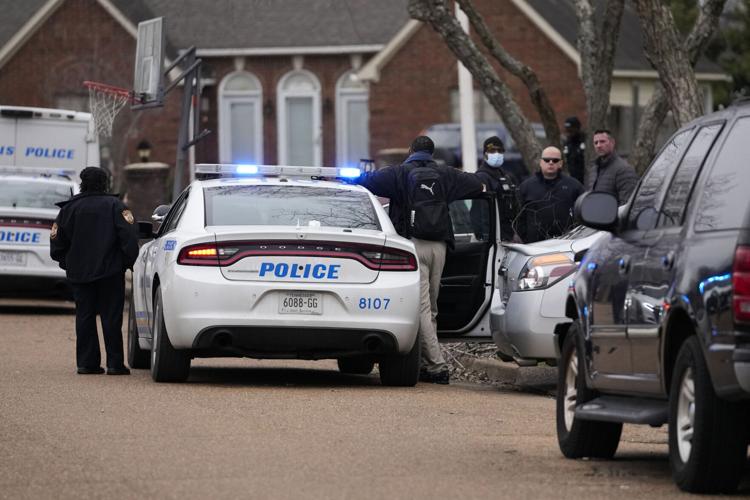
Members of the Memphis Police Department work a crime scene Jan. 24 in Memphis, Tenn.
This is often the most Black citizens can hope for as the deaths continue. Nationwide, police have killed roughly three people per day consistently since 2020, according to academics and advocates for police reform who track such deaths.
Tyre Nichols’ fatal encounter with police officers in Memphis, Tennessee, recorded in video made public Friday night, is a glaring reminder that efforts to reform policing have failed to prevent more flashpoints in an intractable epidemic of brutality.
Nearly 32 years ago, Rodney King’s savage beating by police in Los Angeles prompted heartfelt calls for change. They’ve been repeated in a ceaseless rhythm ever since, punctuated by the deaths of Amadou Diallo in New York, Oscar Grant in Oakland, California, Michael Brown in Ferguson, Missouri, and many others.
People are also reading…
George Floyd’s murder in Minneapolis in 2020 was so agonizing to watch, it summoned a national reckoning that featured federal legislation proposed in his name and shows of solidarity by corporations and sports leagues. All fell short of the shift in law enforcement culture Black people in America have called for — a culture that promotes freedom from fear, trust in police and mutual respect.

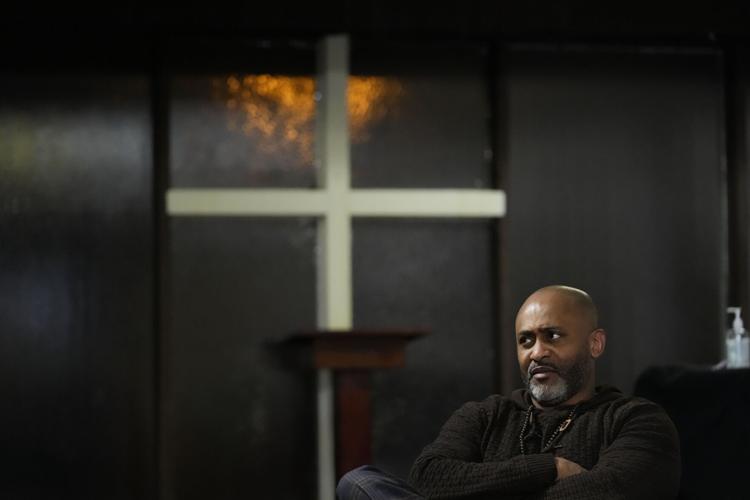
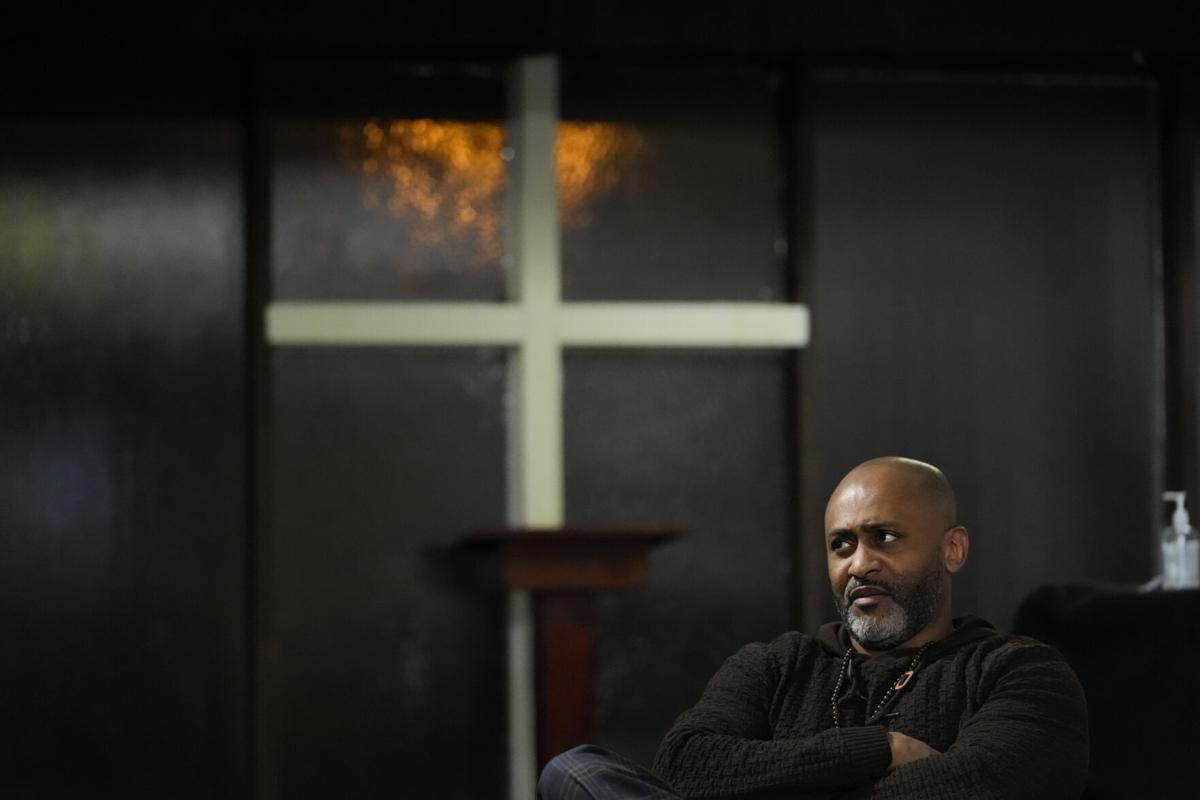
J. Lawrence Turner, pastor of Mississippi Boulevard Christian Church, on Jan. 24 during an interview at City Hall with The Associated Press, in response to the investigation of the death of Tyre Nichols, who died after being beaten by Memphis police officers.
“We need public safety, right? We need law enforcement to combat pervasive crime,” said Jason Turner, senior pastor of Mississippi Boulevard Christian Church in Memphis. “Also, we don’t want the people who are sworn to protect and serve us brutalizing us for a simple traffic stop, or any offense.”
The five Black officers are now fired and charged with murder and other crimes in the Jan. 10 death of Nichols, a 29-year-old skateboarder, FedEx worker and father to a 4-year-old boy.

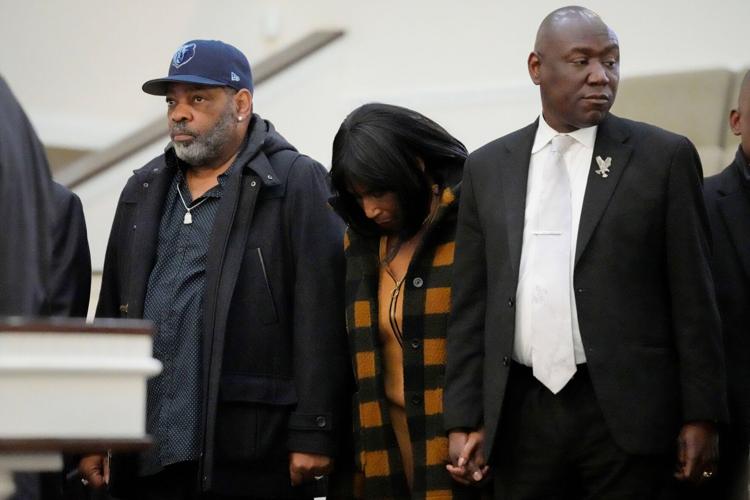
RowVaughn Wells, mother of Tyre Nichols, who died after being beaten by Memphis police officers, and Tyre’s stepfather Rodney Wells, left, hold hands during a prayer at a news conference with civil rights Attorney Ben Crump on Friday in Memphis, Tenn.
From police brass and the district attorney’s office to the White House, officials said Nichols’ killing points to a need for bolder reforms that go beyond simply diversifying the ranks, changing use-of-force rules and encouraging citizens to file complaints.

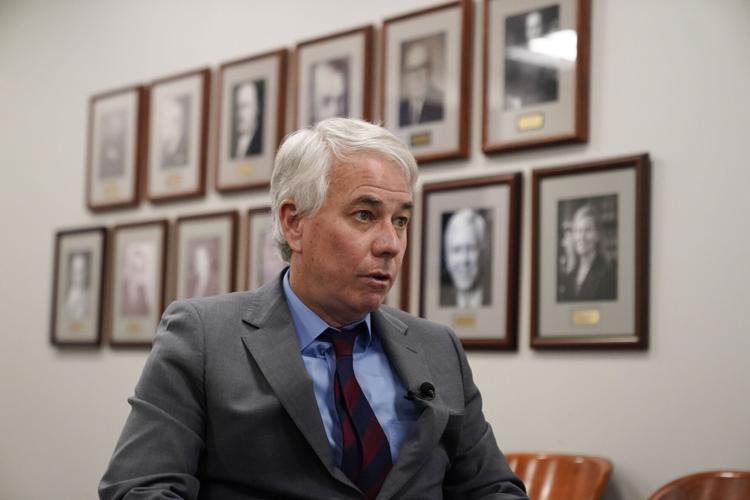
District attorney Steve Mulroy on Jan. 24 during an interview with The Associated Press, in response to the investigation of the death of Tyre Nichols, who died after being beaten by Memphis police officers, in Memphis, Tenn.
“The world is watching us,” Shelby County District Attorney Steve Mulroy said. “If there is any silver lining to be drawn from this very dark cloud, it’s that perhaps this incident can open a broader conversation about the need for police reform.”
President Joe Biden joined national civil rights leaders in similar calls to action.
“To deliver real change, we must have accountability when law enforcement officers violate their oaths, and we need to build lasting trust between law enforcement, the vast majority of whom wear the badge honorably, and the communities they are sworn to serve and protect,” the president said.
But Memphis, whose 628,000 residents celebrate barbecue and blues music and lament being the place where the Rev. Martin Luther King Jr. was assassinated, has seen this before. The city took steps advocates called for in a “Reimagine Policing” initiative in 2021, and mirrored a set of policy changes reformers want all departments to implement immediately, known as “8 Can’t Wait.”
De-escalation training is now required. Officers are told to limit uses of force, exhaust all alternatives before resorting to deadly force and report all uses of force. Tennessee also took action: State law now requires officers to intervene to stop abuse and report excessive force by their colleagues.
Showing unusual transparency for a police department, the MPD now publishes accountability reports that include the race of people subjected to use of force each year. They show Black men and women were overwhelmingly targeted for rougher treatment in 2019, 2020 and 2021. They were subject to nearly 86% of the recorded uses of guns, batons, pepper spray, physical beatings and other force in 2021, the total nearly doubling that year to 1,700 cases.
Seven uses of force by Memphis police ended in death during these three years.
“I don’t know how much more cumulative Black death our community should have to pay to convince elected officials that the policing system isn’t broken — it’s working exactly as it was designed to, at the expense of Black life,” said Ash-Lee Woodard Henderson, co-executive director of the Highlander Research and Education Center, a Tennessee-based civil rights leadership training school.
The Nichols case — just one of the brutality cases to make national news this month — exposes an uncomfortable truth: More than two years since the deaths of Floyd, Breonna Taylor and Rayshard Brooks touched off protests, policing reforms have not significantly reduced such killings.
States approved nearly 300 police reform bills after Floyd’s murder, creating civilian oversight of police, more anti-bias training, stricter use-of-force limits and alternatives to arrests in cases involving people with mental illnesses, according to a recent analysis by the Howard Center for Investigative Journalism at the University of Maryland.
Despite calls to “defund the police,” an Associated Press review of police funding nationwide found only modest cuts, driven largely by shrinking revenue related to the coronavirus pandemic. Budgets increased and more officers were hired for some large departments, including New York City’s.
Still stuck in Congress is the George Floyd Justice in Policing Act, which would prohibit racial profiling, ban chokeholds and no-knock warrants, limit the transfer of military equipment to police departments, and make it easier to bring charges against offending officers. Biden said he told Nichols’ mother that he would be “making a case” to Congress to pass the Floyd Act “to get this under control.”
Here is the timeline of events in the arrest and death of Tyre Nichols — and what's followed
Jan. 7, 2023

Jan. 7: Tyre Nichols is pulled over by police for an alleged traffic violation after photographing a sunset, according to accounts his family would give later. A confrontation ensues, and he is brutally beaten by five Memphis police officers in an encounter that is recorded by police body cameras.
Jan. 8

Jan 8: Memphis police say in a statement that officers attempted to stop a man for reckless driving on Jan. 7 and he was taken to a hospital in critical condition after two confrontations. The first description of what happened says one confrontation occurred when officers approached the vehicle and the suspect fled on foot. Officers pursued, and another confrontation occurred when they took him into custody, police said. The subject complained of shortness of breath and was taken to a hospital. Due to his condition, police contacted the Shelby County District Attorney General’s Office, which asked the Tennessee Bureau of Investigation to conduct a use-of-force investigation.
Jan. 15

Jan. 15: Police Chief Cerelyn Davis says she has reviewed information on the encounter and has decided to take immediate action by serving notice of policy violations to the officers involved.
Jan. 16

Jan. 16: Civil rights attorney Ben Crump announces he is representing Nichols’ family and calls on police to release body camera and surveillance video from the traffic stop. Meanwhile, protesters gather at the Civil Rights Museum to push for the release of police video and call for officers to be charged.
Jan. 18

Jan. 18: The U.S. Justice Department announces that it has opened a civil rights investigation.
Jan. 20

Jan. 20: The five officers involved in the arrest are fired after an internal investigation finds they used excessive force, failed to intervene and failed to render aid. They are identified as Tadarrius Bean, Demetrius Haley, Emmitt Martin III, Desmond Mills Jr. and Justin Smith. All five are Black.
Jan. 23

Jan. 23: Nichols' family views the police video with their attorneys, who say it shows Nichols being beaten for three minutes in a “savage” encounter reminiscent of the infamous 1991 police beating of Los Angeles motorist Rodney King. The video shows Nichols was shocked, pepper-sprayed and restrained after he was pulled over minutes from his home while returning from a suburban park where he had taken photos of the sunset. Crump says the family has agreed to investigators’ request to delay making the video public so as not to risk compromising the criminal investigation.
Jan. 24

Jan. 24: Shelby County District Attorney Steve Mulroy says the release of police video will be carefully timed to avoid the chance that suspects or witnesses tailor their statements to what they saw in it and asks the public for patience. The timetable rankles activists who had expected the video to be released after Nichols’ family viewed it. Meanwhile, the Memphis Fire Department says two employees involved in the initial care of Nichols the night of his arrest have been removed from duty while the agency conducts an investigation.
Jan. 25

Jan. 25: Davis, the police chief, calls the officers' actions “heinous, reckless and inhumane” and makes a plea for people to protest peacefully when the video is made public. She says in a statement issued on social media that other officers are still being investigated for violating department policy and that “a complete and independent review” will be conducted of the department’s specialized units.
Jan. 26

Jan 26: The five officers are charged with murder, aggravated assault, aggravated kidnapping, official misconduct and official oppression. Mulroy says they each played different roles in the killing but “they are all responsible.” Mulroy also announces that video of the traffic stop will be released to the public the following evening. Nichols' parents say they are satisfied with the charges against the officers. At an evening candlelight vigil, Nichols' mother pleads with supporters to “protest in peace” when the “horrific” video footage is released.
Jan. 27

Jan. 27: Memphis authorities release video footage showing Nichols being beaten by five officers who repeatedly strike him with their fists, boots and batons as he screams for his mother. The video is filled with violent moments showing the officers, who are also Black, chasing and pummeling Nichols and leaving him on the pavement propped against a squad car as they fist-bump and celebrate their actions. Protesters gather for mostly peaceful demonstrations in multiple cities including Memphis, New York and Washington.
Jan. 28

Jan. 28: The Memphis police chief disbanded the city's so-called Scorpion unit after some of its officers beat to death Tyre Nichols, reversing an earlier statement that she would keep the unit intact. The unit is composed of three teams of about 30 officers who target violent offenders in areas beset by high crime. It had been inactive since Nichols' Jan. 7 arrest.