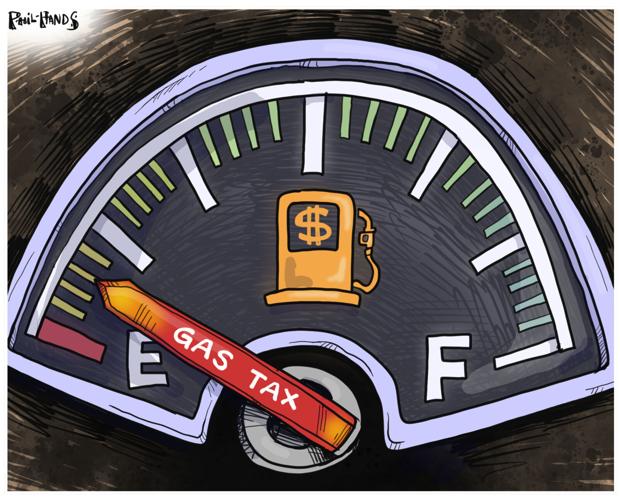
The Highway Trust Fund — the primary federal account dedicated to funding highways, bridges and transit — is going broke.

Andrew Stasiowski
The fund gets its money largely from federal taxes on gasoline and diesel fuel — revenue sources designed decades ago for a very different transportation system. That revenue isn’t keeping up with surface transportation needs.
The problem?
Congress has not increased the federal gas tax since 1993. Yet it has consistently increased funding for roads and bridges to account for rising construction costs and a growing backlog of needs.
Congress shouldn't cut investments in roads and bridges, but it must figure out how to pay for them.
Attempting to close this gap solely by raising the gas tax would require a dramatic increase that is unlikely to be politically viable. More important, tying our long-term ability to fund roads exclusively to fuel consumption no longer reflects how Americans travel. The rapid growth of vehicles that use little or no gasoline further undermines this model. In a world of increasing fuel efficiency and evolving powertrain technologies, it makes little sense to tax Americans based on the type of vehicle they drive or the fuel it uses.
People are also reading…
The solution is an annual fee based on each vehicle's weight. The states would collect the fee when drivers register their vehicles.
This approach offers several major benefits.
It would allow for the elimination of federal gas and diesel taxes, lowering gas prices and reducing pain at the pump. This is especially important now as gas prices are rising due to geopolitical events.
Second, it would stabilize the Highway Trust Fund for the long term. The Congressional Budget Office estimates a nearly $300 billion shortfall in this fund over the next 10 years, with insolvency starting in 2028.
Since 2007, Congress has moved general tax dollars into the transportation fund to avoid insolvency. This was never intended to be a permanent solution. Continuing down this path would only increase uncertainty, undermine long-range planning and increase the national debt.
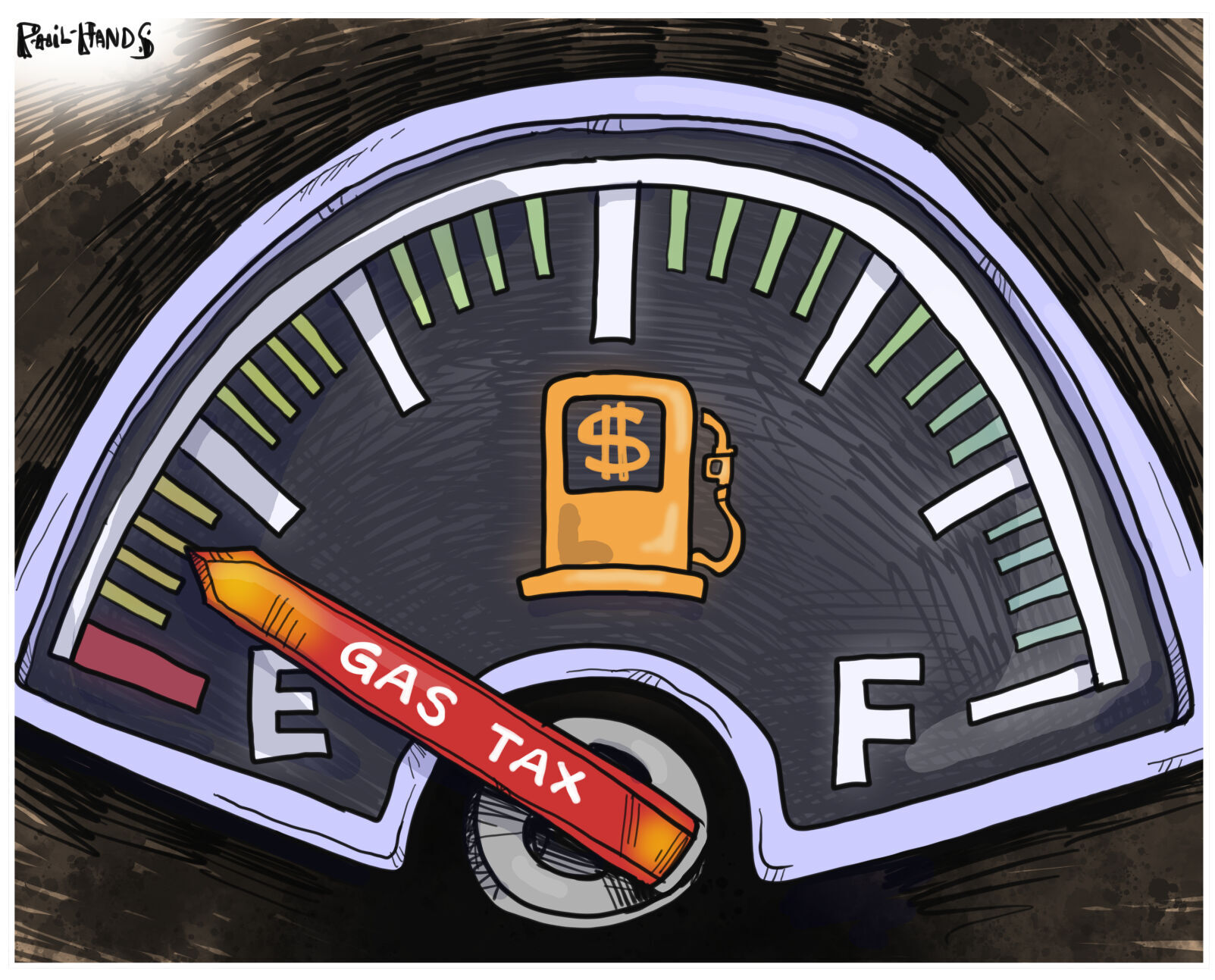
An annual fee tied to vehicle weight would eliminate the need for general-fund bailouts. It would save taxpayers billions while also providing Congress, the Department of Transportation and the states with the necessary resources to maintain and modernize our infrastructure.
Finally, an annual fee based on vehicle weigh could make heavy-duty trucks more affordable to buy. Since World War I, new trucks have been subject to a 12% federal excise tax. As truck prices have risen, that tax became a significant barrier to investing in newer, safer and cleaner vehicles.
This is a simple and fair solution that drivers can understand and support. Every state already has an established vehicle registration system, meaning the infrastructure to collect those fees is in place. This reduces the cost to collect the fee and avoids creating a new federal tax bureaucracy.
Taxpayers can reduce the upfront burden of these fees by breaking their payments into multiple installments. For most passenger vehicle owners, the monthly payment could be less than a Netflix subscription.
A surface transportation reauthorization bill is moving through Congress now. It’s the perfect moment to reform and stabilize the trust fund and finally fix our national transportation infrastructure emergency.
Stasiowski is the president and CEO of the American Highway Users Alliance. He wrote this for InsideSources.com.