The following is the opinion and analysis of the writer:

Kelley Benson
We’ve all heard the phrase: “Are we great yet?” Most often, it’s sarcastic or shouted in frustration, a political jab rather than a question. But what if we treated it as a measurement? If we talk about national greatness, we should examine what makes a country thrive or struggle.
In 2023, the American Anti-Corruption Institute outlined warning signs of national decline: weak or corrupt political institutions, poor economic performance, internal conflict, and pressures such as climate change, global economic shifts, and geopolitical instability. Looking honestly at these factors makes it harder to treat “Are we great yet?” as a punchline.
Take political institutions. Distrust in government now spans the political spectrum. Many Americans believe influence and money often outweigh competence or public service. While corruption can occur under any administration, the Trump era is frequently cited because the slogan “Make America Great Again” invited a natural follow-up: If restoring greatness is the goal, how should we measure it? For many, the slogan reflected lost manufacturing jobs, rising costs, and the sense that leaders were no longer listening.
People are also reading…
Critics argue that during this period, the lines between political loyalty, financial contributions, and access to power sometimes get blurred. Appointments and decisions occasionally appeared to reward wealthy supporters over experienced public servants. Examples include billionaire Jared Isaacman’s NASA nomination after political donations and ambassadorial posts given to major donors with limited diplomatic experience. Presidential clemency also drew scrutiny, as with the pardon of Changpeng Zhao of Binance amid reported ties to Trump’s cryptocurrency ventures. Whether corruption or politics as usual, the perception matters: When leadership decisions seem tied to wealth or loyalty, public trust erodes.
Political integrity, however, is only one measure of national strength. Daily economic realities matter too. A rising stock market may signal prosperity, but families living paycheck to paycheck experience a different story. Groceries, housing, and gasoline continue to rise. Household savings are shrinking, debt is climbing, and credit cards are increasingly used for essentials. For example, a family of four that spent $633–$1,300 per month on groceries in 2024 could now face costs approaching $1,500. These pressures shape everyday life and the nation’s sense of well-being.
Economic strain also feeds internal conflict. Healthy democracies debate and disagree, but when citizens see opponents as enemies, social cohesion weakens. Increasingly, Americans inhabit different informational worlds, eroding trust in institutions, government, media, and even elections. Political division exists throughout U.S. history, but the depth of mistrust today feels unprecedented.
Beyond borders, pressures continue. Climate change disrupts infrastructure, agriculture, and energy systems. Global economic shifts affect supply chains, inflation, and jobs. Geopolitical instability, from conflicts in Europe and the Middle East to tensions in Asia, affects everything from defense spending to energy costs. Even foreign policy rhetoric matters. Promises of “no more foreign wars” resonate, yet military actions abroad, often justified without public evidence, raise questions about what those promises truly mean.
Taken together, political, economic, social, and global pressures form the real test of national greatness. This brings us back to the question: Are we great yet? Not as a slogan. Not as a political weapon. But as an honest measure of who we are.
Great nations aren’t defined by campaign chants or stock market highs. They are defined by trustworthy institutions, real economic opportunity and citizens who believe the system works for them. If we want to claim greatness, we must measure ourselves honestly against these standards and demand better when we fall short. Greatness isn’t declared, it is proven, generation after generation.
Follow these steps to easily submit a letter to the editor or guest opinion to the Arizona Daily Star.
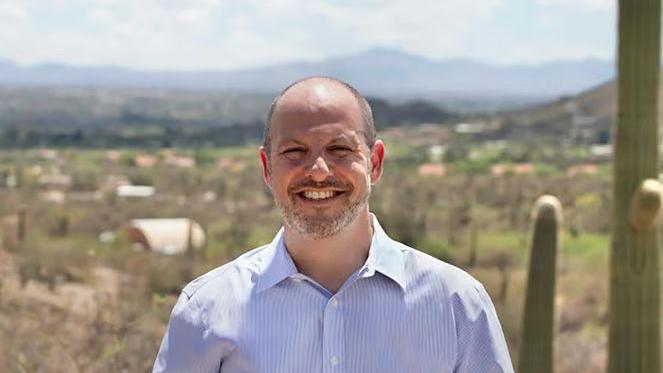
As a Senior Security Specialist with a master’s in international security studies, Kelley Benson spends a significant amount of time analyzing the nexus between economics, global stability, and national resilience.