

The following is the opinion and analysis of the writer:
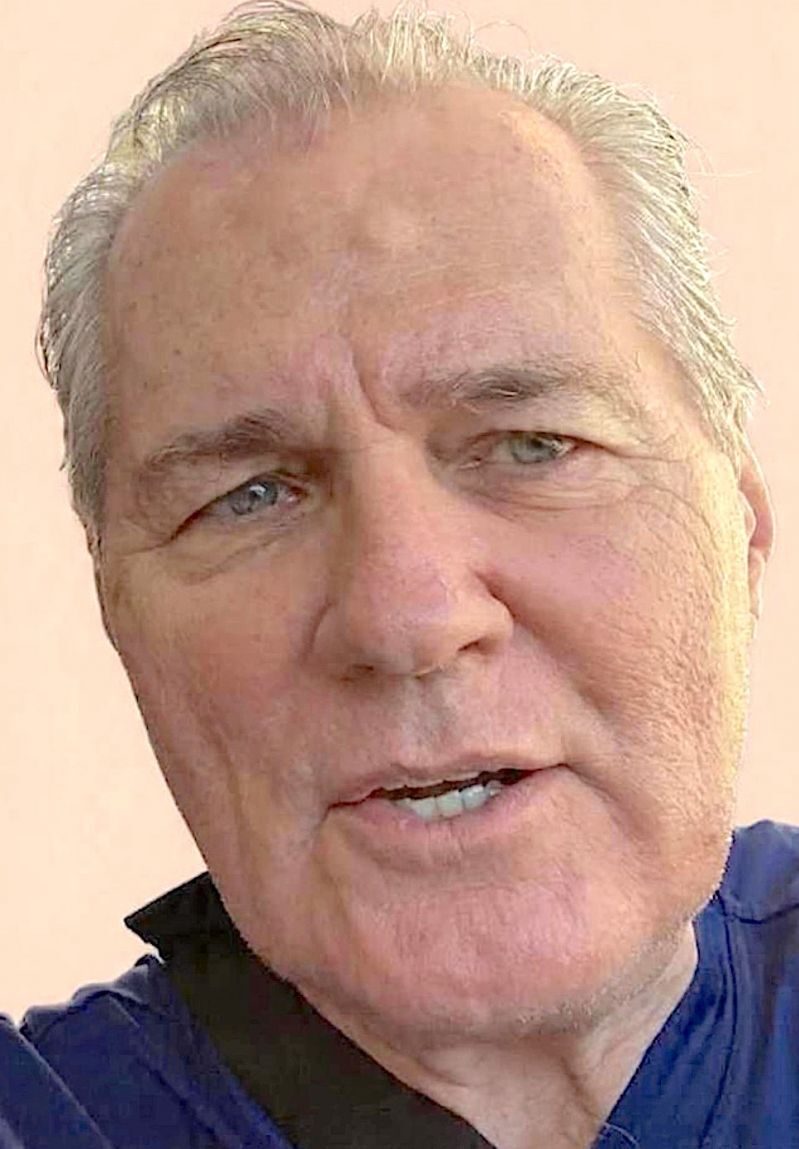
Michael A. Chihak
Good for Arizona Attorney General Kris Mayes for challenging Tucson Electric Power’s proposed rate increase.
Mayes’ intervention may help lessen TEP’s advantage with the biased Arizona Corporation Commission, and her publicity can counter the utility’s propaganda blitz.
TEP began a public relations campaign in September for its proposed 14% increase. Since then, utility suits, a board member, a retired executive and a supportive politician have had 16 columns published in the Star, on average one every two weeks, including four last month.
Concurrently, the Star has published a similar number of columns from utility critics, including Mayes’ op-ed challenging its 9.55% rate of return, aka profit. TEP wants more, 10.5%, and is asking the ACC, as other utilities have, for permission to update rates every year.
People are also reading…
Expect more Star columns as intense opposition to rising rates and public calls for a city-run utility collide with TEP’s equally intense campaign to increase profits and resist takeover.
Mayes poking her legal nose in on behalf of utility customers sets up a power vs. power faceoff. Her power comes from intervention, including written testimony to the ACC labeling the rate proposal “blatant corporate greed" and encouraging populist opposition through her January town hall that drew 100-plus people.
TEP’s power comes from op-eds flacking rates, reliability and renewables; favorable ACC rules and a phalanx of lawyers. Oh, and purported boosts to Tucson’s economy, claiming it helped bring “six major businesses” and create 285 jobs last year. For the record, that’s minuscule rather than major, adding 57-thousandths of 1% to our workforce.
One op-ed by utility CEO Susan Gray self-servingly pushed regional economic growth, which would increase TEP’s profits. Gray, who chairs the business-at-all-costs Chamber of Southern Arizona, advocated an economic “rising tide” for “protecting working families” and “strong job growth” from businesses such as Project Blue.
How does raising electricity rates on average $192 a year protect working families? How do Project Blue’s 180 hires constitute strong job growth when, added to the 285 from six major businesses in 2025, the total would be less than one-hundredth of 1% of the regional workforce?
Gray’s “rising tide” makes the same false promise as trickle-down economics: Creating more wealth at the top helps everyone. In reality, little trickles down, and the rising tide may drown people struggling to make rent, buy groceries and pay utility bills.
Of late, the utility’s op-eds have turned defensive. One VP in January whined about people “casting doubt on TEP’s integrity.” A retired exec in February bridled at criticism that transparency was lacking, referencing the 1,600-page rate request posted online. Laden with financial and technical language, it’s opaque, not transparent.
Another VP kissed up to the ACC, calling it “publicly accountable.” Did he mean “Republicanly”? TEP’s president labeled as “radical” a consultant’s report that Mayes commissioned to analyze the rate proposal.
Utility officials also have taken up fearmongering: TEP’s paid-for study of municipal utility takeover predictably concluded it would be “risky, expensive” and a threat to reliability; a utility VP wrote that if voters reject the TEP and city franchise agreement, customers will pay higher taxes.
These executives have the right to their opinions. Mayes also has the right — legal obligation, actually — to safeguard people from a monopoly, because the ACC won’t, despite the state Constitution authorizing it to “prescribe just and reasonable rates.” The question is, for whom?
Thus, the power vs. power showdown: TEP’s goal, including with its PR blitz, is maximizing profits; Mayes’ goal, as a legally vested consumer advocate, is maximizing public protection.
Follow these steps to easily submit a letter to the editor or guest opinion to the Arizona Daily Star.
Michael A. Chihak is a retired newsman and native Tucsonan. He writes regularly for the Arizona Daily Star.

