

The following is the opinion and analysis of the writer:
Is it possible to love a natural feature to death? As post-pandemic travelers race to visit national parks, monuments, lakes, rivers and mountains, will they find that we’ve tied ourselves in organizational knots to the point where recreation becomes hidebound by too much love?
Case in point is Sabino Canyon, one of Tucson’s most enchanting and visited natural landscapes that attracts hundreds of thousands of visitors every year. Along with Mount Lemmon and environs, these recreation areas are our most scenic and special places. Tucsonans feel a kind of “ownership” over these natural attractions. We mourn whenever we see the Catalinas burn during summer seasons and we are distressed when floods roar through Sabino Canyon.
Now the multi-jurisdictional struggles at Sabino have boiled to the point where the US Department of Agriculture (as the parent agency for the National Forest Service) has had to step in and has directed the volunteer canyon patrollers to step aside, at least temporarily.
People are also reading…
The issue at Sabino is not about trash or shuttles or parking (although those continue to be difficult situations). No, the primary issue is overlapping organizations that “love” the canyon so much that there is confusion regarding responsibilities, authority and just who has the power to make certain that we take care of Sabino in an appropriate and respectful way.
Consider: In addition to the the Forest Service, the canyon is also supported by a “Friends” organization, volunteer patrollers, naturalists who educate students at the visitor center and in the canyon, a bookstore that is operated by a private company, a shuttle service that is also separately owned, and the Pima County Sheriff’s Department for emergencies.
What could possibly go wrong? Plenty, as it turns out.
The average canyon hiker or bike rider doesn’t know or care about the Venn diagram of overlapping groups at Sabino. Nor should they. The goal of the canyon’s various “lovers” should be to provide safe, welcoming experiences for visitors along with guidance and assistance as needed.
Consider canyon visitors who see a patroller in uniform. They understandably assume that the patrollers have authority to enforce Forest Service rules meant to protect the canyon and the public. But those visitors don’t know that those patrollers are highly trained volunteers whose only mission is to provide information. Meanwhile, the understaffed Forest Service is responsible for the mountains and canyons — a huge area that requires constant attention.
Throw in emergency rescue teams or medical aid providers and you’ve got a complete amalgamation of organizations all dedicated to safety alongside the various volunteer groups and paid staffers.
The Forest Service’s District Ranger has an enormous volume of responsibilities. For now, the Ranger has directed the volunteer patrollers to stand down while agreements and training are updated. In the meantime, visitors continue to run, hike, bike and walk throughout the canyon area, particularly during the mild winter and spring months.
Loving Sabino Canyon so much creates overlapping authority, expectations and misinformation. The naturalists, patrollers, bookstore staff and shuttle operators have wide experience, and we can only hope that the Forest Service can gently untangle the various Sabino Canyon “lovers” so that we all can continue to recreate safely in Tucson’s favorite natural attraction.
We might love a good club sandwich, never noticing the individual layers. Each ingredient in the sandwich makes it richer and more enticing. But some times, we don’t bother to consider how all the parts of the sandwich contribute to the whole.
We can love Sabino Canyon, with its similar stack of organizational layers, but we should require that all parties reassess their responsibilities so that we can continue to enjoy this natural wonder well into the future.
Follow these steps to easily submit a letter to the editor or guest opinion to the Arizona Daily Star.
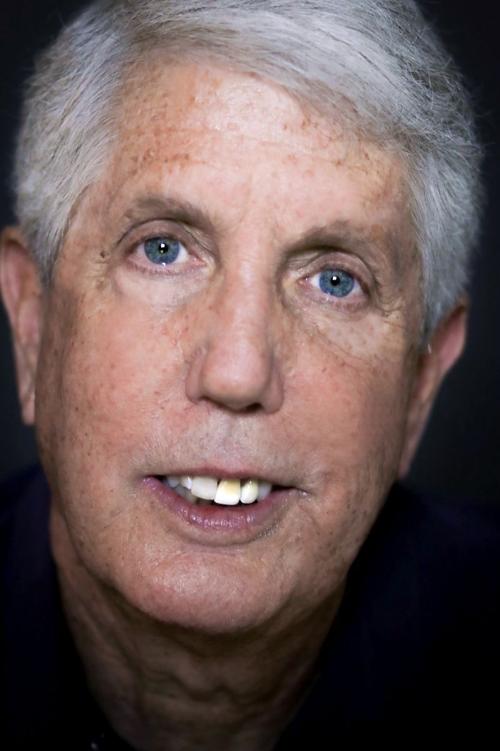
Bob Kovitz, M.P.A., lives in Tucson. He is a certified urban and regional planner as well as a university instructor in Organizational Behavior. He hikes occasionally.


