The following is the opinion and analysis of the writer:

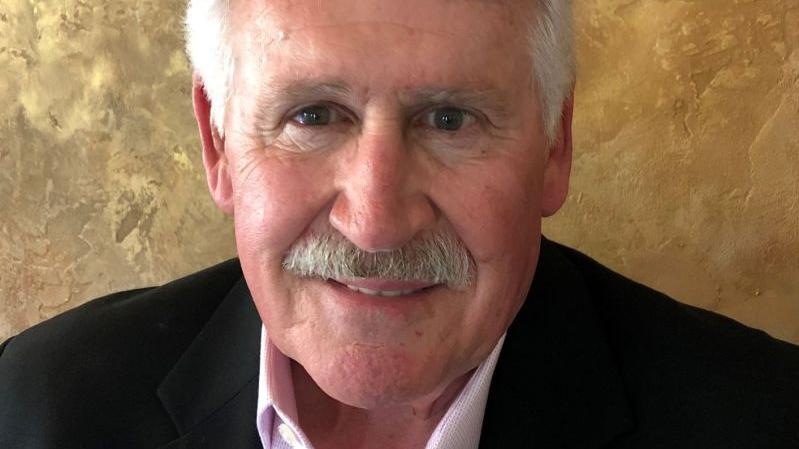
Jason Dudash
For Arizona educators, a much-deserved summer break presents an opportunity to reflect on whether union representation is in their best interest.
Arizona, like many states, faces a historic teacher shortage. Recent data from the Arizona School Personnel Administration Association indicates that the state was unable to fill at least 2,229 teaching positions during the 2023-24 school year. Plus, another 3,997 classrooms were led by instructors who failed to meet the state’s certification requirements.
In an attempt to pinpoint why so many teachers continue to flee Arizona’s classrooms, the Arizona Department of Education (ADE) conducted a poll of 8,433 teachers who taught in 2023 but did not return in 2024.
As is the case in many states, respondents identified the top two major reasons for leaving the classroom behind: burnout (71.24%) and a general lack of respect for K-12 teachers (69.13%).
People are also reading…
The only other issues to poll above 60% were student behavior and discipline problems (63.59%) and wanting or needing a higher salary (62.08%).
In response, several pieces of legislation were introduced to address the concerns of teachers still considering departure from the state’s public school system.
Proposed by the Department of Education, Senate Bill 1459, for example, would have required school districts to report student disciple referral data to the ADE each year. Schools that failed to implement disciplinary action in at least 75% of referred cases would lose a letter grade in Arizona’s public school ranking system.
Further, House Bill 2800 proposed the “Pay Teachers First Fund,” which would have mandated that state funding be reserved solely for teacher pay bumps, in addition to increasing the base salary of all educators by $5,000 in fiscal year 2024 and $10,000 in fiscal year 2025.
Presumably, the Arizona Education Association (AEA), Arizona’s “labor union for public school employees” which claims to advocate “on behalf of students, staff, and teachers in Arizona,” should have been in full support of legislation meant to directly address the top concerns raised by their own members.
Instead, the union fought aggressively to ensure that SB 1459 and HB 2800 never hit Governor Katie Hobbs’ desk.
In addition to opposing SB 1459, AEA President Marisol Garcia urged legislators to “vote NO” on teacher raises proposed through HB 2800, characterizing the bill as a “deeply unserious” “political game … full of obvious flaws.” Garcia doubled down in a published opinion piece, utilizing little more than speculation and political posturing to insist that increasing teacher pay was a disrespectful “attack on public education.”
But Garcia’s belligerent opposition to HB 2800 adds insult to injury for AEA members, whose dues funded the union president’s massive $23,213 raise during the 2022-23 school year, despite being unable to secure additional pay themselves.
As of 2023, Garcia cashes in on a stunning $158,371 salary each year, more than double the average pay of teachers across the state of Arizona.
Arizona educators, most of whom pay more than $700 a year in AEA dues, deserve to know why supporting union officers who remain complicit in stagnant teacher pay while lining their own pockets is a worthy investment of their hard-earned wages.
While the question of who has Arizona teachers’ best interest at heart is certainly debatable, the union’s opposition to legislation confronting teacher concerns head on casts doubt on whether AEA’s promise to advocate for educators is sincere.
Luckily, federal law prevents teachers who no longer wish to subsidize subpar union representation from losing employment, benefits, or pay.
This summer, my team and I will be on the ground in Arizona to offer educators alternatives to second-rate representation, and to discuss why they should consider joining hundreds of thousands of teachers across the country who have already freed themselves from failing teacher unions like the Arizona Education Association.
Follow these steps to easily submit a letter to the editor or guest opinion to the Arizona Daily Star.
Jason Dudash is the West Coast Director of the Freedom Foundation.