Netflix’s attempt to acquire Warner Bros. has set off alarms about market power and cultural reach.

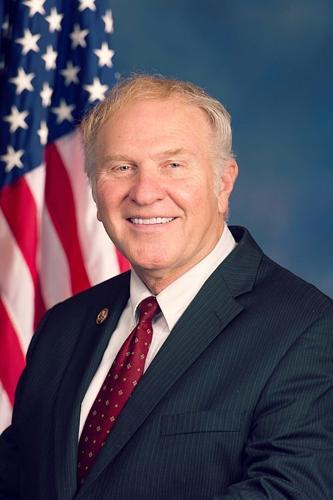
Steve Chabot
But the real issue isn’t this potential merger, which Paramount is challenging. It’s the extent to which the industry has consolidated so dramatically that a small circle of companies now exercises unprecedented control over cultural production and distribution.
Nearly everything Americans watch is shaped by a handful of firms that not only dominate the market but broadly share the same progressive ideological assumptions.
Netflix is not the outlier. Consolidation is increasingly the industry model in media and entertainment.
People are also reading…
A handful of companies dominate nearly the entire entertainment pipeline, from production studios to streaming platforms and recommendation algorithms.

The contest between Netflix and Paramount for Warner Bros. has storylines and personalities that would make gossip mongers from Louella Parsons to Maria Menounos gape:
As an analysis from the Antitrust Institute shows, this consolidation also is shaping who gets to set the agenda in cultural and information markets by constricting competition and reinforcing the dominance of a few integrated firms.
It appears an ideological monoculture is forming, with algorithmic control over visibility and reach. Fewer companies mean fewer creators and distributors — and those shot-callers are increasingly drawn from the same cultural and political milieu.
With fewer gatekeepers, creative decisions increasingly follow ideological expectations rather than artistic ones. Scripts are rewritten to match cultural orthodoxy. Risk-taking shrinks. Projects that challenge dominant narratives rarely get made. Creators who dissent — especially comedians — often find themselves quietly sidelined rather than publicly censored.
Dave Chappelle faced sustained internal and external pressure despite delivering one of Netflix’s most-watched specials. Ricky Gervais said he warned by streaming executives, even as his specials succeed commercially. Bill Maher said mainstream platforms increasingly avoid material that risks backlash from activist employees, a shift he contrasts with earlier eras of creative independence.
They are among the most commercially successful performers in entertainment. Yet even they are encountering ideological red lines.

The fate of Warner Bros., maker of movies such as "Batman," "Wonder Woman" and "Aquaman," could change the entertainment industry.
Streaming algorithms take this further. Platforms distribute the content and then steer audiences toward what the company prefers. When a handful of culturally aligned corporations control production and distribution, the public square narrows. Viewers think they’re choosing freely. But their options have been pre-filtered by institutions that share the same political assumptions.
This is as much a democratic concern as it is a cultural one. A functioning democracy requires a genuinely pluralistic media environment. When one worldview dominates nearly all major studios, streaming platforms and cultural gatekeepers, dissent becomes harder to encounter, satire flows in only one direction, and the boundaries of acceptable opinion shrink without any formal decree.
Lawmakers are raising alarms. Members of the House and Senate judiciary committees have repeatedly warned that media consolidation poses risks not only to competition but also to democratic discourse. Antitrust law was never meant to protect consumers only from higher prices. It also was designed to prevent excessive concentrations of power that distort markets, including the marketplace of ideas.
Netflix’s Warner Bros. bid is just the latest reminder that the already concentrated entertainment sector is moving toward an even tighter circle of ideological control. Regulators who treat these mergers as routine business deals are missing the deeper reality: Consolidation determines who shapes the narratives through which Americans understand politics, identity and the world.
A democracy cannot thrive when a small group of like-minded corporations effectively dictates the nation’s cultural imagination. Whether or not the Netflix deal is approved, Washington must confront the broader threat: an entertainment landscape so consolidated and ideologically uniform that true pluralism becomes impossible.
Chabot, R-Ohio, served as chairman of the House Small Business Committee and as a member of the Judiciary Committee in the House of Representatives. He wrote this for InsideSources.com.