The following is the opinion and analysis of the writer:

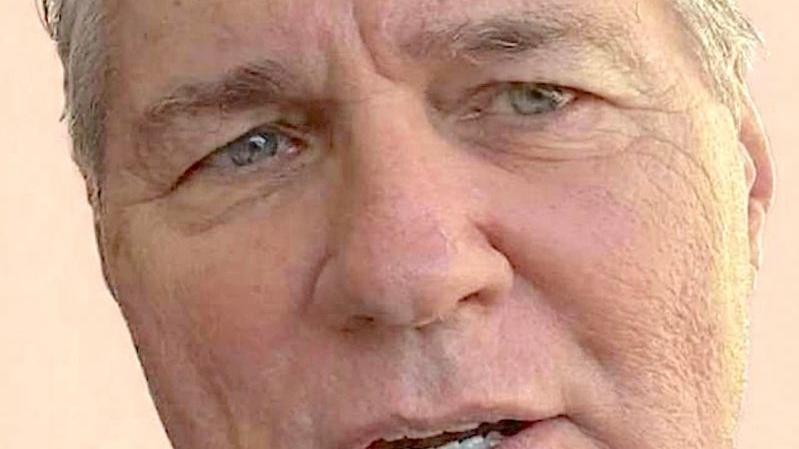
Tony Zinman
HB2671 is an important bill currently pending in the Legislature to keep our children in the juvenile justice system.
Under current law, a child 15 or older who has two separate dispositions (sentencings) for any felony, including lower-level felonies, is automatically charged in adult court.
The current law (generally referred to as "juvenile 3 strikes") was passed in 1996 as part of a moral panic that caused a wave of laws nationwide to make it easier to charge children in adult court. These laws were passed in response to a so-called "superpredator" theory which predicted a future crime wave from a new upcoming generation of remorseless, radically impulsive youth. The theory was invented by a Princeton Professor named John Dilulio, and he was all over the mainstream media in 1995 with his theory. Dilulio said a superpredator is a young juvenile criminal who is so impulsive, so remorseless, that he can kill, rape, maim, without giving it a second thought. The "Central Park Five" were often used as an example, and helped fuel the laws to automatically transfer children.
People are also reading…
Many states passed laws making it easier to try juveniles as adults in response. Arizona passed the "3 strikes" law that took all discretion from the Judge and prosecutor and based transfer purely on criminal history.
The superpredator theory actually turned out to be a complete myth. Instead of rising, juvenile crime has dramatically fallen since 1996. Arrest for people under 18 have decreased 75% since their peak in 1995. John Dilulio admitted his theory was wrong in 2000 and apologized for its unintended consequences. Meanwhile, The Central Park 5 were found to be innocent and their convictions vacated.
So, this means that the laws passed in response to the false Superpredator theory were based on information and evidence we now know to be false. Our children continue to live every day with consequences of this mistake.
Many states have passed laws to limit and improve the juvenile transfer process to reflect the reality that the Superpredator theory was false, including Nebraska, Utah, Mississippi, and Illinois. It is now time for Arizona to do so as well.
The current law cast a wide net that includes both low- and high-level felonies. Some examples of the low-level offenses include 1)a child being a passenger in a car the child had a "reason to know" was stolen, 2) certain assaults where there was no injury to the victim 3) Theft of property over $1,000 4) Possession of certain drugs and paraphernalia. While juveniles need to have accountability for these offenses, they are not of the type that should send them to adult court. The juveniles sent to adult court should only be the "worst of the worst."
We have also learned since the initial juvenile 3 strikes bill that charging youth as adults goes against adolescent brain development research. Children and teenagers are not simply little adults. Sections of the juvenile brain dedicated to impulse control, weighing consequences, and regulating emotions are still developing during late adolescence.
Under HB2671, youths still can be incarcerated in juvenile prison until 18 (19 in some circumstances). Furthermore, any youth can still be transferred to Adult Court after a full hearing considering the circumstances of the case and child.
HB 2671 is beneficial to public safety in that research shows that children charged in adult court are more likely to commit future violent offenses than those charged in juvenile court.
HB 2676 also involved significant cost savings to the public. Adult court Jury trials are far more expensive then juvenile trials with a Judge.
Furthermore, there are staggering racial disparities for youth charged as if they are adults.
The primary purpose of Juvenile Court is rehabilitation, and the primary purpose of adult court is punishment. Youths incarcerated in adult jails and prisons do not have access to rehabilitative programs, mental health treatment, and other developmentally appropriate services that are available in the juvenile court system.
HB2671 was introduced by Rep. Consuelo Hernandez and has bipartisan sponsorship.
The bill is in the best interest of our Arizona youth, and our community in general.
Follow these steps to easily submit a letter to the editor or guest opinion to the Arizona Daily Star.
Tony Zinman has been a Juvenile Public Defender for 25 years.