

The following is the opinion and analysis of the writer:
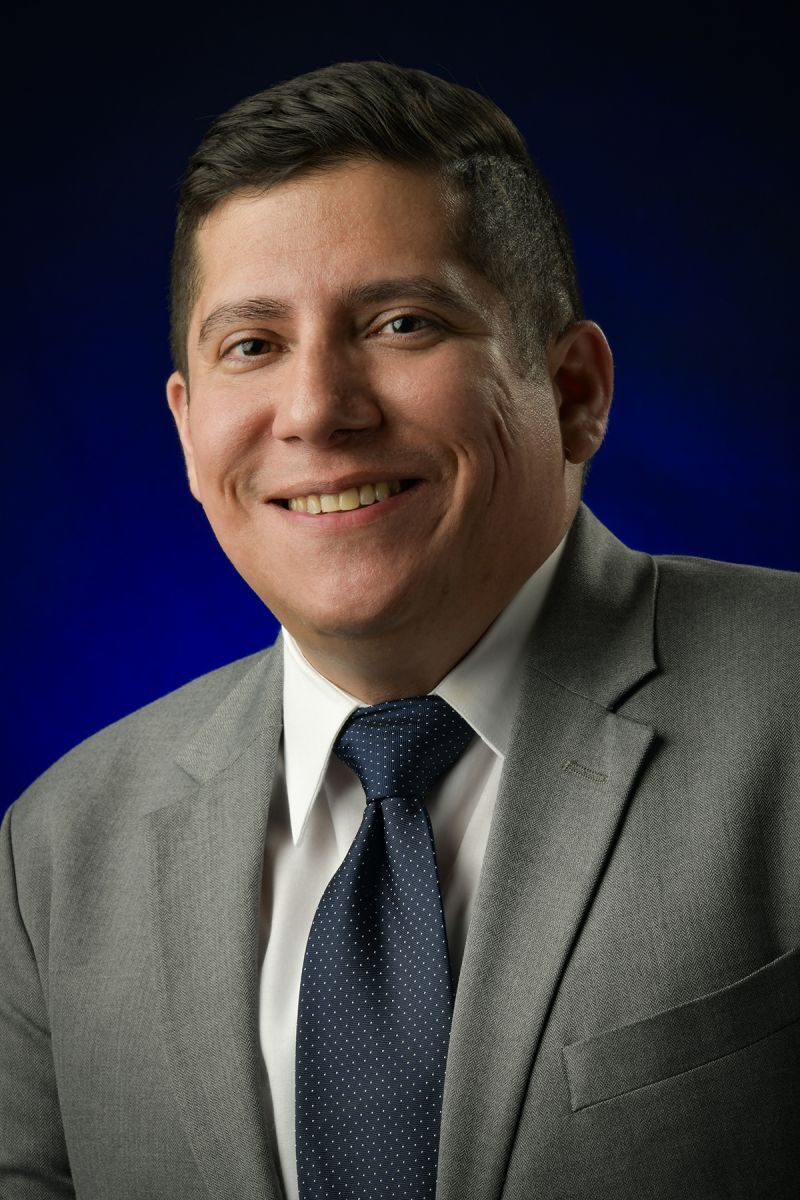
Ricky Hernandez
Over the past five years, Tucson Unified School District has received nearly $16 million in federal funding through Medicaid School-Based Claiming. This funding covers approximately 20% of what our district invests to meet the requirements of the Individuals with Disabilities Education Act, ensuring a free, appropriate public education for students with disabilities. Yet, even with this support, both federal and state funding have long fallen short of what’s required to truly meet the needs of our exceptional education students.
The COVID-19 pandemic laid bare just how critical these services are. For many low-income families, the services we provide — such as occupational therapy, physical therapy, and speech-language pathology — are the only consistent supports available. These are not optional extras; they are foundational to ensuring equitable access to education. Families depend on these services being delivered directly in their students’ schools, and they are critical in allowing students to grow and thrive.
People are also reading…
Recognizing the value of Medicaid, our governing board recently approved a plan to fund all school nurses through Medicaid reimbursements. This marks a significant shift as we work to extend support to all students who are eligible for services through the Arizona Health Care Cost Containment Systems (AHCCCS), Arizona’s Medicaid program, and not just those receiving special education services. Additionally, Medicaid/AHCCCS is not only critical to funding the direct services in the school setting, but it also plays a vital role in calculating the number of students eligible for free school meals. In 2024, TUSD adopted the Community Eligibility Provision of the National School Lunch Program. Districts, like TUSD, that serve a large number of students from families who are eligible for means-tests programs like Medicaid and Supplemental Nutrition Assistance Program, can provide free breakfast and lunch to students. These initiatives are a part of our broader commitment to student health, safety, and wellness.
As Congress moves forward with budget reconciliation, we urge lawmakers not to lose sight of Medicaid’s essential role in public schools. In Southern Arizona, Congressman Juan Ciscomani’s position on the influential House Appropriations Committee will make him a vital advocate for students in our district and beyond. The most vulnerable students in our schools rely on Medicaid to receive critical in-school services that enable them to succeed. At the same time, many of our students and their families also depend on Medicaid/AHCCCS for their broader health care coverage, from pediatrician visits to emergency care.
Providing services to students who need them is not just a legal mandate. It is a moral obligation. Ensuring that every child, regardless of income or ability, can thrive in school is a responsibility we all share. As TUSD works to expand access to health services for all Medicaid/AHCCCS-eligible students, we must be assured that these federal resources will remain intact — not just for our district, but for every public school striving to meet the needs of its students.
Now is not the time for cuts. Now is the time to strengthen our investment in all our students.
Follow these steps to easily submit a letter to the editor or guest opinion to the Arizona Daily Star.
Ricky Hernandez is the chief financial officer of Tucson Unified School District, southern Arizona’s largest school district.
