

The following is the opinion and analysis of the writer:
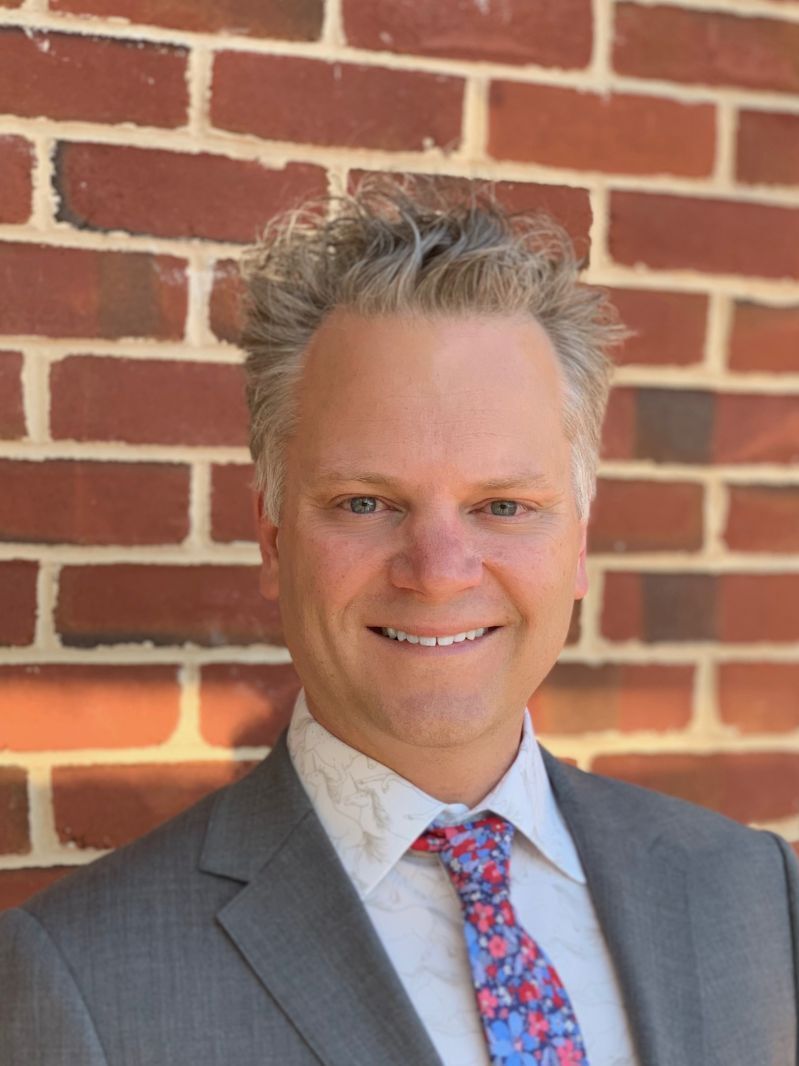
Chad Herzog
This fall, Tucson will become a global stage. Three ensembles from Egypt, Indonesia and Ukraine will make our city their temporary home, not only performing but stepping into classrooms, cultural spaces, and neighborhood gatherings made possible through Center Stage, the cultural diplomacy program of the U.S. Department of State and the University of Arizona’s Arizona Arts Live.
For more than a decade, Center Stage has brought nearly 50 ensembles from more than 25 nations to America, creating opportunities for cultural exchange and mutual understanding. This year marks the end of the program, and its fullest expression is happening here in Tucson, where we will be the only city in the United States to host all three ensembles in its final season. That distinction is more than a point of pride. It is a reminder of how the arts can connect us across borders at a time when the world often feels divided.
People are also reading…
On Sept. 20, the Mohamed Abozekry Sextet, blending Arabic classical traditions with jazz and improvisation, will launch its U.S. tour at The Century Room at Hotel Congress.
From Oct 8-11, Indonesia’s Papermoon Puppet Theatre will conclude its U.S. journey with performances at the Tornabene Theatre, enchanting audiences with poetic puppetry that transforms everyday objects into wonder.
And Nov. 13, Kurbasy from Ukraine will close its U.S. tour at La Rosa, sharing powerful harmonies and theatrical flair rooted in centuries of folk tradition.
The true impact of these visits will not only happen under stage lights. With the University of Arizona as their home base, each ensemble will spend a week in Tucson, leading workshops in schools, offering conversations in community spaces, and sharing meals and stories with local audiences. A high school jazz student will sit across from an Egyptian oud master. A family will discover the imaginative power of Indonesian puppetry. Tucson residents will hear Ukrainian songs that carry the weight of history and resilience. These moments of connection are cultural diplomacy in action.
I have seen how the arts can dissolve barriers. A classroom falls silent as an artist from across the world begins to sing in their native language. Unfamiliar yet so familiar rhythms spark recognition and connection. In those moments, differences fade, and what remains is shared humanity.
That is why Arizona Arts Live, as the University of Arizona’s official performing arts presenter, has committed to bringing international voices to Tucson, providing a global perspective for our students and community. Hosting these ensembles in this final season of Center Stage is not only an honor. It is a reflection of the openness of this community and the belief that the arts belong to everyone.
Tucson has always been a place of intersections, of cultures, languages, and traditions. Our location on the border, our deep Indigenous history, and our vibrant immigrant communities give us a perspective that few American cities can claim. To serve as the only city in the United States hosting all three Center Stage ensembles feels like both a recognition of that identity and an opportunity to celebrate it.
As Center Stage takes its final bow, Tucson will stand as a living example of cultural diplomacy in action. The artists who visit us will carry home stories of Southern Arizona that challenge stereotypes and spark curiosity. Their artistry will expand our understanding of the world beyond our desert home.
In a time when headlines are filled with conflict and division, the arts remind us of something essential. We are more alike than we are different. Stories, songs, and shared experiences connect us in ways politics cannot.
Arizona Arts Live invites you to be part of this historic moment. Come see the performances. Join the conversations. Share in the exchange. Together, we can prove that cultural diplomacy is not just policy, but practice, and that Tucson, for one extraordinary season, is at the center of it.
Tickets and information are available at arizonaartslive.com.
Follow these steps to easily submit a letter to the editor or guest opinion to the Arizona Daily Star.
Chad Herzog is executive and artistic director of Arizona Arts Live at the University of Arizona.
